A Piece of the Berlin Wall
During our travels in Germany, I stopped for a photograph beside one of the surviving sections of the Berlin Wall. For nearly twenty-eight years, from 1961 until 1989, the Wall divided East and West Berlin and became one of the most powerful symbols of the Cold War. Families, friends, and neighbors were separated overnight, and the barrier stood as a visible reminder of the ideological conflict between communism and democracy.
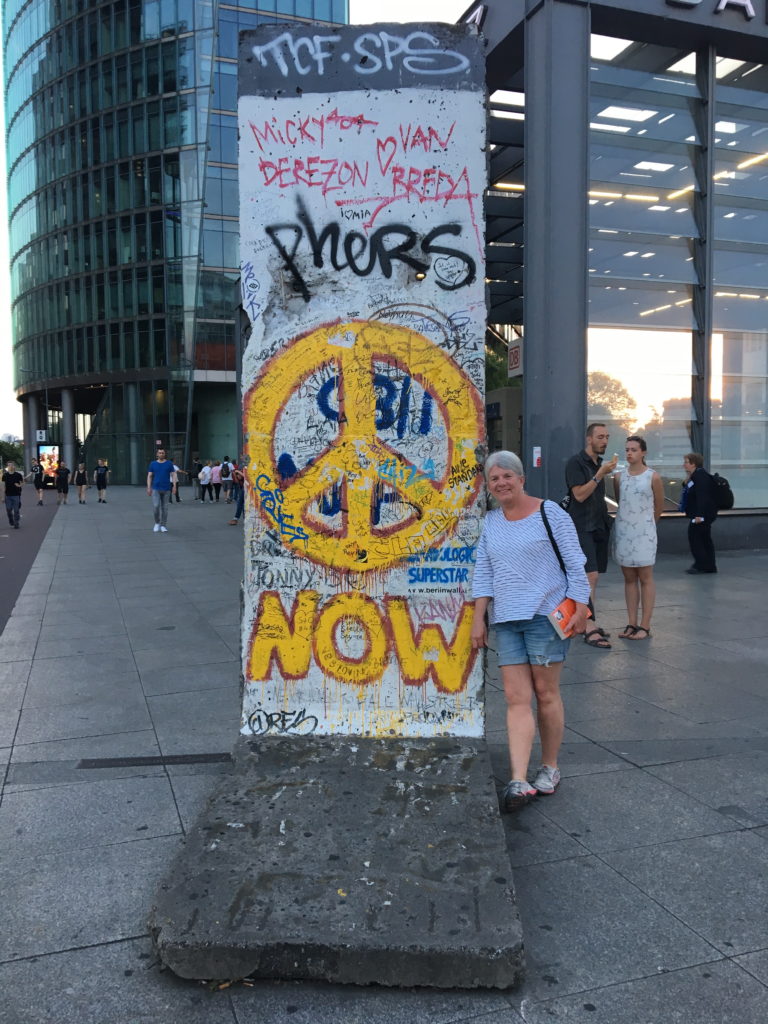
The fall of the Wall on November 9, 1989, marked one of the most dramatic events of the twentieth century. As East Germans crossed freely into West Berlin and citizens from both sides gathered to celebrate, the world witnessed the peaceful collapse of a division that many had believed would last forever. Within a year, Germany was reunified.
Today, only scattered sections of the Berlin Wall remain. Standing beside this weathered slab of concrete, I was reminded that it represents far more than a physical barrier. For nearly three decades, it symbolized division, fear, and the tensions of the Cold War. Its fall in 1989 brought hope to millions and marked the beginning of a new chapter for Germany and Europe. More than thirty years later, these surviving fragments serve as powerful reminders that walls built by people can also be torn down by people and that the desire for freedom and unity can ultimately overcome even the deepest divisions.
Read More From Nancy
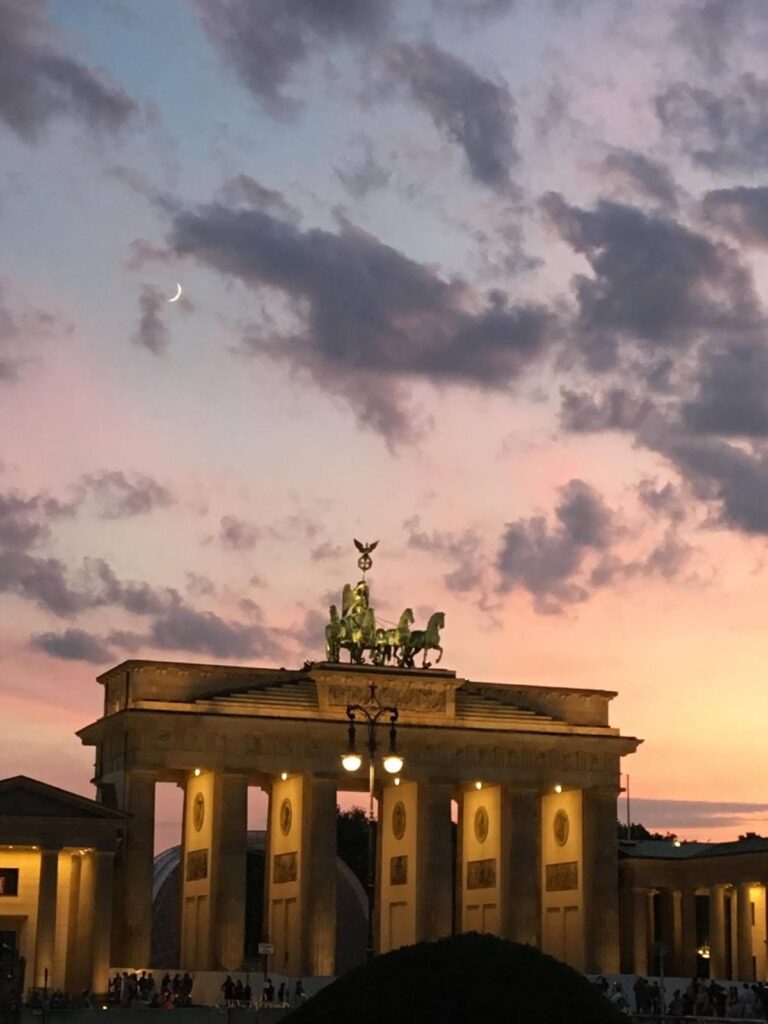
Brandenburg Gate
While visiting Berlin, the Brandenburg gate quickly becomes more than just a landmark, it becomes a focal point of the city’s history. Standing at Pariser Platz, we faced a structure built between 1788 and 1791 under King Frederick William II of Prussia. Designed by architect Carl Gottheard Langhans, the gate was inspired by classical Greek architecture. Its […]
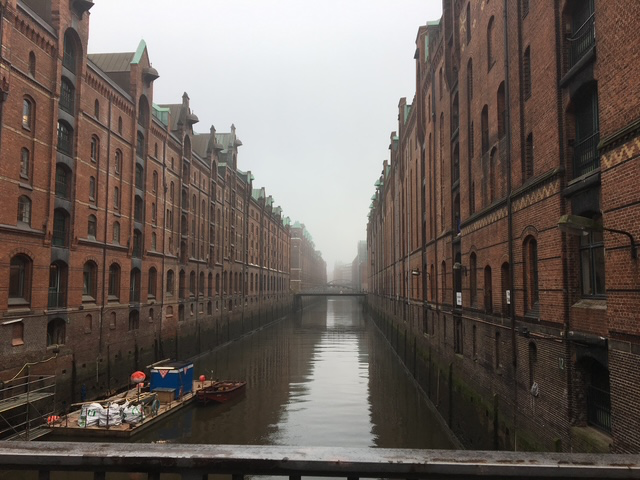
The Speicherstadt
When I first stood on this bridge, my eyes were drawn down the long, quiet canal framed by rows of towering brick buildings. The water was perfectly still, reflecting the warehouses that seemed to stretch endlessly into the distance. Even on a misty day, there was something captivating about the scene. It felt less like […]
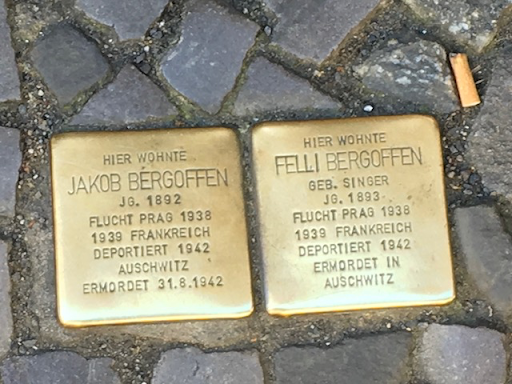
The Names Beneath Our Feet
One of the most moving experiences while walking through Berlin is discovering the small brass plaques embedded in the sidewalks. It would be easy to miss them if you weren’t looking down, but that is exactly the point. These Stolpersteine, or “stumbling stones,” ask us to pause, not because we physically stumble over them, but because […]

