Natchez Trace National Scenic Trail
The historic Natchez National Scenic Trail is a route the served as one of the most important transportation corridors in the early American frontier. Worn deeply into the earth by generations of travelers, traders, soldiers and Native Americans, the sunken pathway visible today offers a glimpse into what travel looked like before modern roads and railroads transformed the landscape.
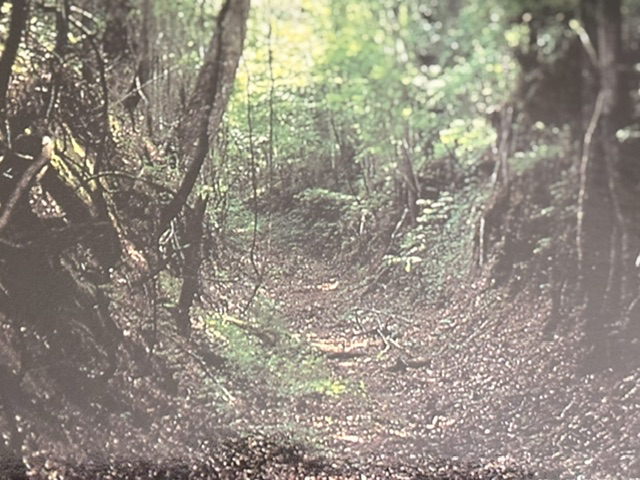
Long before European settlement, the Trace followed ancient paths used by Choctaw, Chickasaw and other indigenous peoples. During the late eighteenth and early nineteenth centuries, it became a vital route connecting Natchez, Mississippi with Nashville, Tennessee. Flats boatmen who floated goods down the Ohio and Mississippi Rivers to Natchez often sold their boats for lumber and then made the arduous journey home on foot along the Trace. The nearly 500-mile trip could take as long as four weeks, leading travelers through forests, across streams and through the lands of the Choctaw and Chickasaw Nations.
Travel on the Natchez Trace was not easy. Mud, heat, storms and constant challenge of finding food and shelter made the journey demanding. Yet thousands of people used the route each year during the busiest period in the early 1800s.
Recognizing the importance of the historic route, Congress designated the Natchez Trace Parkway as a unit of the National Park System in 1938. Much of the early development was completed during the New Deal era by the Civilian Conservation Corps. Today, the parkway preserves hundreds of miles of the original corridor, allowing visitors to experience portions of the same pathway traveled by Native Americans, frontier settlers, settlers and soldiers more than two centuries ago.

Read More From Nancy
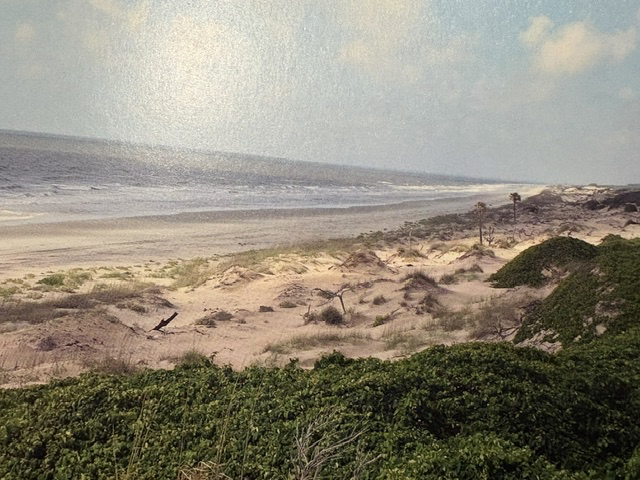
Cumberland Island National Seashore
A visit to Cumberland Island National Seashore requires a bit of planning, but the effort is well worth it. Located off the coast of Georgia, the island is accessible only by boat, helping preserve the undeveloped character that makes it one of the most unique places in the National Park System. Arriving by ferry feels like stepping […]
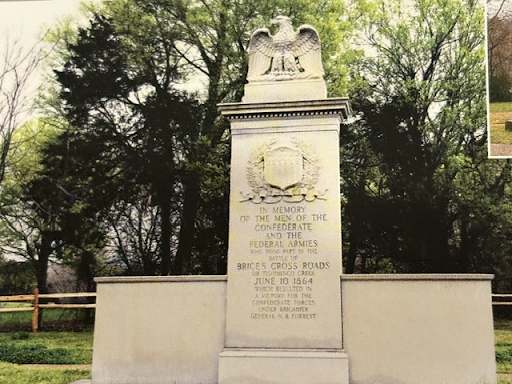
Brices Cross Roads National Battlefield
Brices Cross Roads National Battlefield Site in Baldwyn, Mississippi, preserves the location of one of the most remarkable Confederate victories of the Civil War. Established as a National Battlefield Site in 1929, this small one-acre park commemorates a battle whose outcome had consequences far beyond the crossroads where it was fought. On June 10, 1864, […]
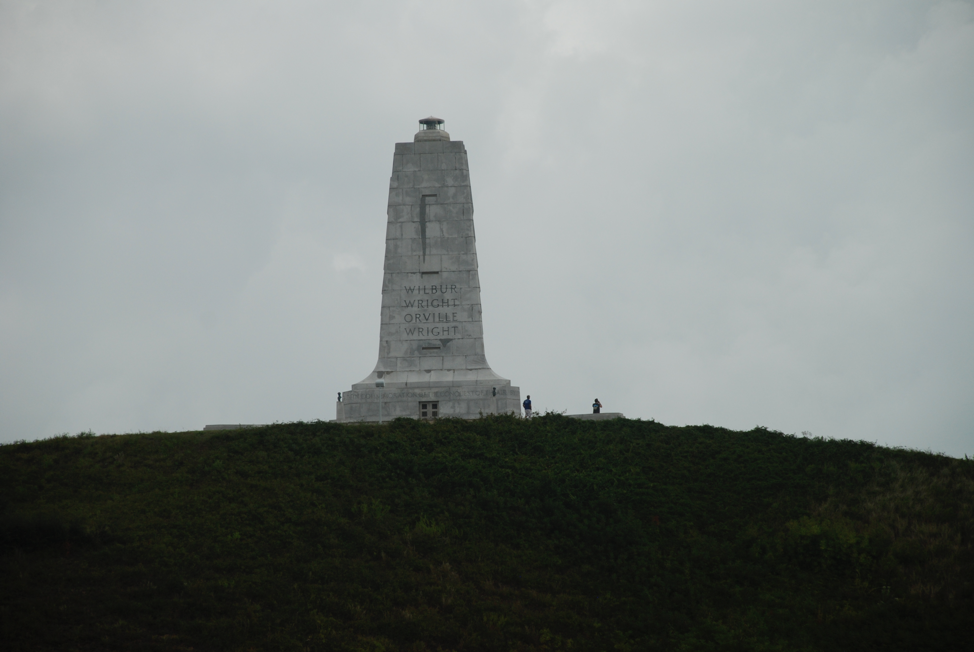
Wright Brothers National Memorial
When visiting the Outer Banks of North Carolina, Erin and I spent a day at the Wright Brothers National Memorial, the very place where powered flight first lifted off the plane and changed human history. Set in Kill Devil Hills, the memorial preserves the windswept dunes where Wilbur and Oliver Wright achieved the world’s first successful, […]

