Russell Cave National Monument
Long before cities, highways, and even recorded history, people found shelter beneath this massive limestone cave entrance. Russell Cave is one of the most important archaeological sites in the southeastern United States. Evidence found within the cave reveals that people used it as a shelter for nearly 10.000 years. Archaeologists have uncovered thousands of artifacts that provide a remarkable record of daily life from prehistoric times through the early Native American period.
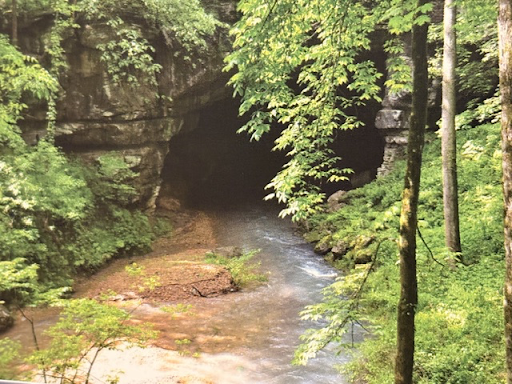
The cave was formed over millions of years as water slowly dissolved the limestone beneath the plateau. A spring-fed stream still flows through the cave, providing fresh water. The national shelter, and access to water, game and fish, gave the location everything needed for survival.
What makes Russell Cave so significant is the continuous record of human occupation preserved within it. The artifacts found here allow archaeologists to trace changes in hunting, food preparation, tool making and community life over thousands of years. Few places provide such a detailed window into the everyday lives of the earliest inhabitants.
Russell Cave was proclaimed a National Monument in 1961 by President John F. Kennedy. The monument was established after the cave and surrounding land were donated to the American people by the National Geographic Society. For nearly ten millennia, people adapted to changing climates and changing cultures while continuing to call this place home.
Read More From Nancy
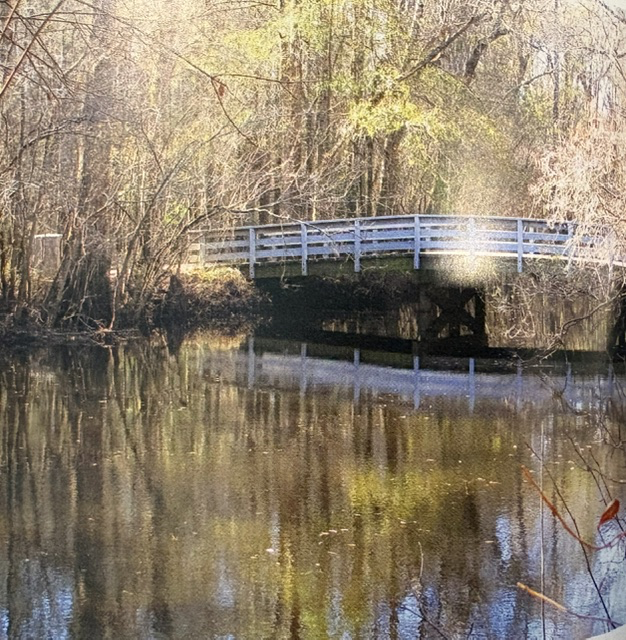
Moores Creek National Battlefield
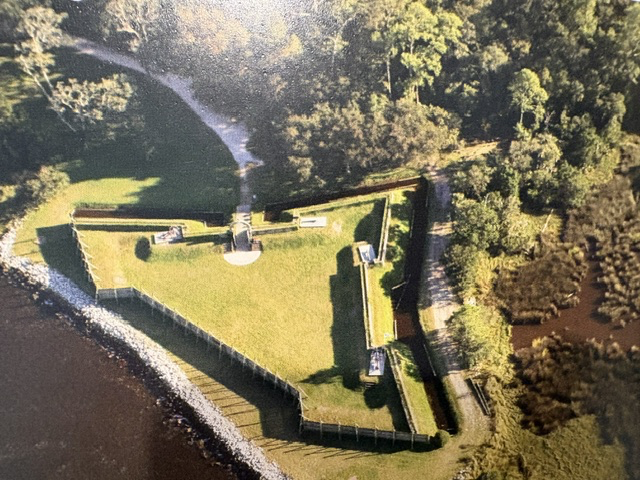
One of the pleasures of visiting our National Parks is discovering places that most Americans have never heard of yetplayed an important role in the nation’s history. Moores Creek National Battlefield in southeastern North Carolina is one of those places. At first glance, it is simply a peaceful stream winding through a forest. It is difficult to imagine […]
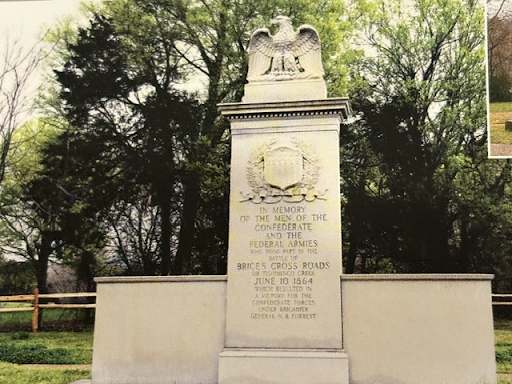
Brices Cross Roads National Battlefield
Brices Cross Roads National Battlefield Site in Baldwyn, Mississippi, preserves the location of one of the most remarkable Confederate victories of the Civil War. Established as a National Battlefield Site in 1929, this small one-acre park commemorates a battle whose outcome had consequences far beyond the crossroads where it was fought. On June 10, 1864, […]
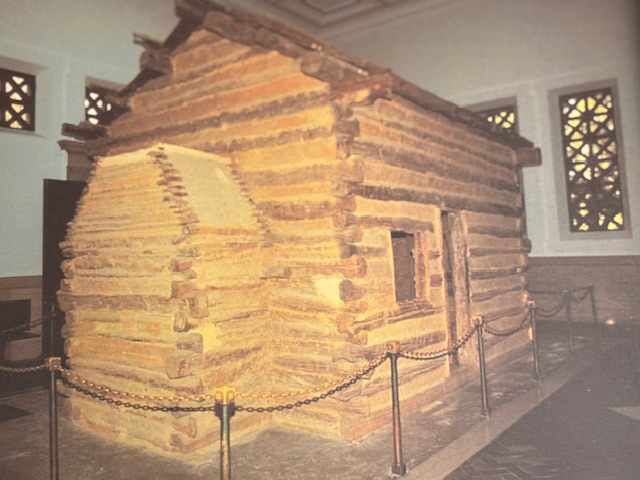
Abraham Lincoln Birthplace
The Abraham Lincoln Birthplace National Historical Park preserves the early beginnings of Abraham Lincoln in Hodgenville, Kentucky. On February 12, 1809, Abraham Lincoln was born in a one room cabin. The cabin was built of native hardwood logs and chinked with local clay. It measured 16 by 18 feet and was heated by a tone lined fireplace. […]

