Chaco Culture National Historical Park
The massive stone walls of Chaco Culture National Historical Park rise from the desert floor with a presence that feels ancient. Located deep within the remote high desert of northwestern New Mexico, Chaco is one of the most extraordinary archaeological sites in North America. Even reaching the canyon is a journey, requiring miles of isolated roads through desert landscapes before the great stone ruins suddenly appear against the cliffs and open sky.
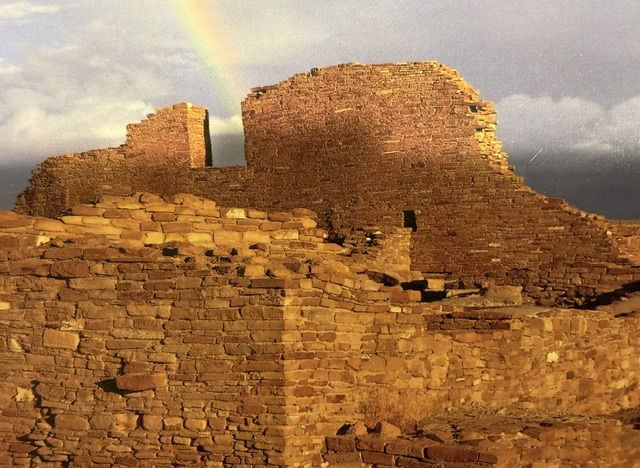
Built between 850 and 1250 AD by ancestral Puebloan peoples, Chaco Canyon became a major cultural, ceremonial and trading center of the Southwest. The scale of the construction is astonishing. Massive “great houses” containing hundreds of rooms were carefully built using shaped sandstone, blocks fitted together with remarkable precision. Multi-story structures, ceremonial kivas, plazas and complex road systems reveal a society with advanced engineering, astronomical knowledge and organizationally ability.
Chaco was not an isolated settlement, but part of a much larger network connected to other ancestral Puebloan communities throughout the Southwest. Roads extending outward from Chaco connected distant communities across difficult desert terrain, demonstrating the canyon’s importance as a regional center.
Recognizing the immense archaeological and cultural significance, the site was first protected as Chaco Canyon National Monument in 1907 by President Theodore Roosevelt. In 1980, Congress expanded and redesignated the area as Chaco Culture National Historical Park to preserve the broader cultural landscape and its connection to the living Pueblo peoples who ancestors built these remarkable communities.
Read More From Nancy
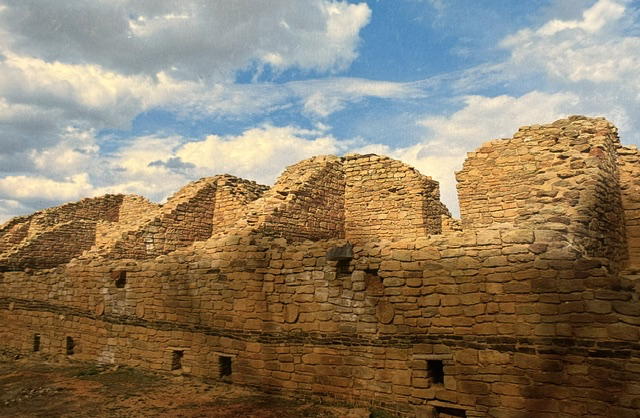
Aztec National Monument
The massive stone walls of Aztec Ruins National Monument preserve the remains of an ancestral Puebloan community in northwestern New Mexico. Rising from the desert landscape near the Aztec area, the ruins create a sense of age and accomplishment. The carefully constructed stone masonry and multi-room structures reveal the sophistication of the people who built and lived […]
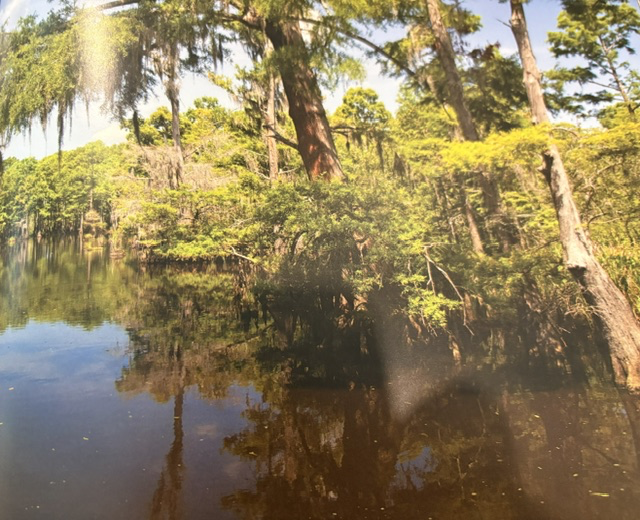
Big Thicket National Preserve
Big Thicket appears to be a single forest stretching across southeast Texas. However, it is something far more remarkable. This is a place where forests, prairies, wetlands, bayous, and bogs exist side by side, creating one of the most biologically diverse landscapes in North America. Established in 1974 as the nation’s first National Preserve, Big […]
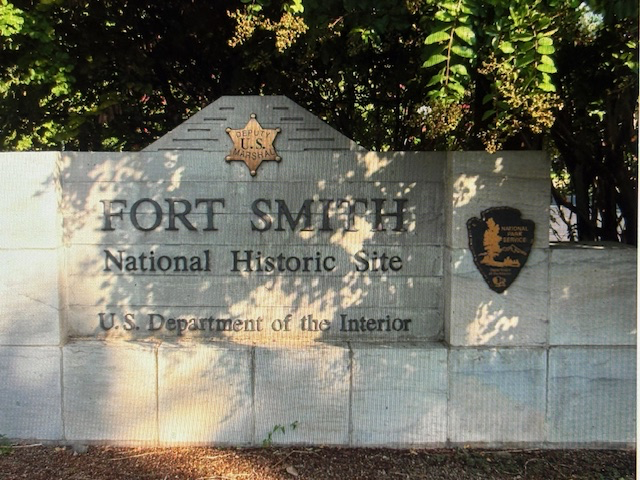
Fort Smith
While traveling around Arkansas, I visited Fort Smith National Historic Site. This fort was established in 1817, as a U.S. military post to project federal presence on a volatile frontier. From the beginning, it served as a gateway to the West, a place where eastern law met western uncertainty. The strategic position of this fort made […]

