Tallgrass Prairie National Preserve
The rolling grasses and soft morning mist of Tallgrass Prairie National Preserve, one of the rarest landscapes remaining in North America. The preserve protects a small surviving piece of the vast tallgrass prairie that once stretched across millions of acres from Texas north into Canada. Today, less than four percent of that original prairie ecosystem still exists.
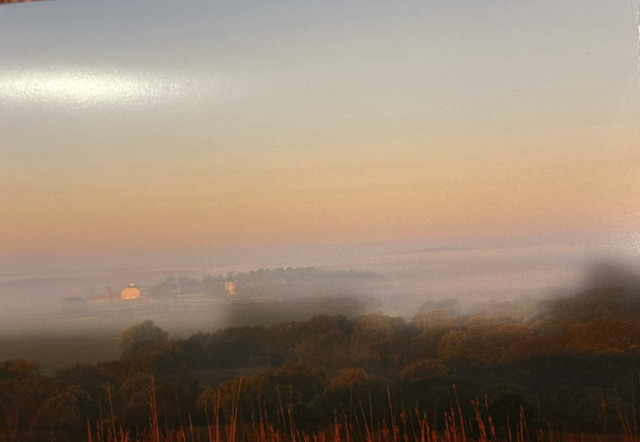
The Flint Hills became one of the last refuges of the tallgrass prairie because the rocky limestone beneath the soil made large-scale farming difficult. While most of the prairie across the Midwest was plowed under for agriculture, these hills remained largely intact, preserving a glimpse of what early travelers and settlers once encountered as they moved westward across America.
Recognizing the rarity and importance of this disappearing landscape, Congress established Tallgrass Prairie National Preserve in 1996 as part of the National Park system. Today, the preserve protects this unique ecosystem as well as a vanishing piece of the natural and cultural history of the American heartland.

Read More From Nancy
Grand Portage National Historical Site
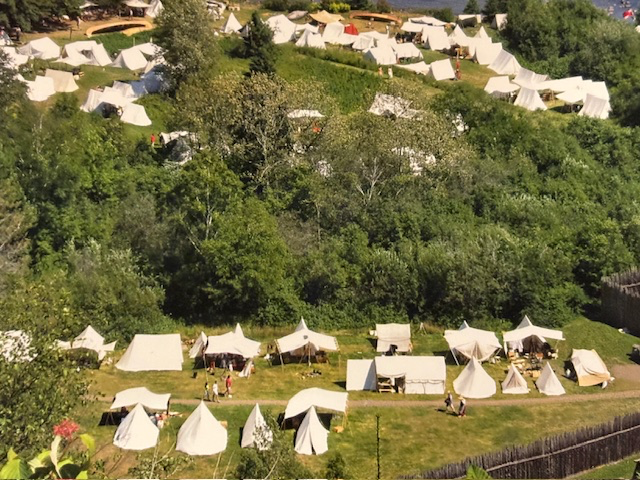
This is Grand Portage National Monument in Minnesota, a place that tells the story of movement, trade and connection across a vast landscape. I explored much of Minnesota on solo road trips, and it is a beautiful state with miles between sites, long stretch of road. Each destination is chosen with intention, like Grand Portage. Grand Portage […]
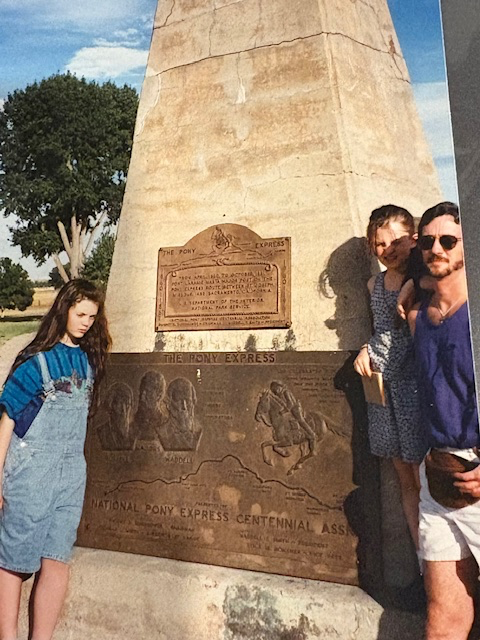
Pony Express National Historic Trail
In the wide-open landscapes of the American West, communication was once slow, uncertain, and often perilous. Long before telegraph wires stretched across the continent, letters were the only way to stay connected across the plains, deserts and mountain ranges. Carrying the mail by horseback became one of the boldest experiments in frontier logistics ever attempted. This […]
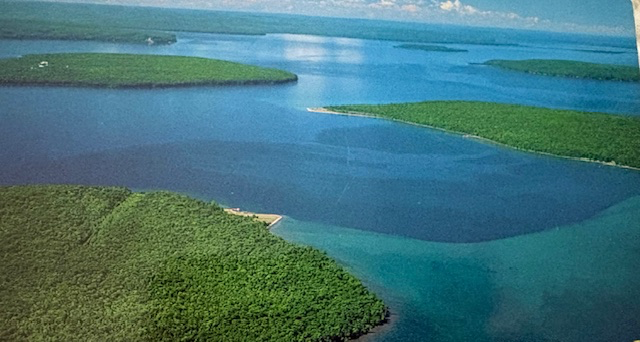
Apostle Island National Lakeshore
There are places in the National Park System that offer a different kind of experience. The Apostle Island National Lakeshore is one of those places. Reaching the Apostles is part of the experience. Located along the northern edge of Wisconsin on Lake Superior. The inland roads give way to water, and the sense of direction […]

