The Peletiah Morse Tavern
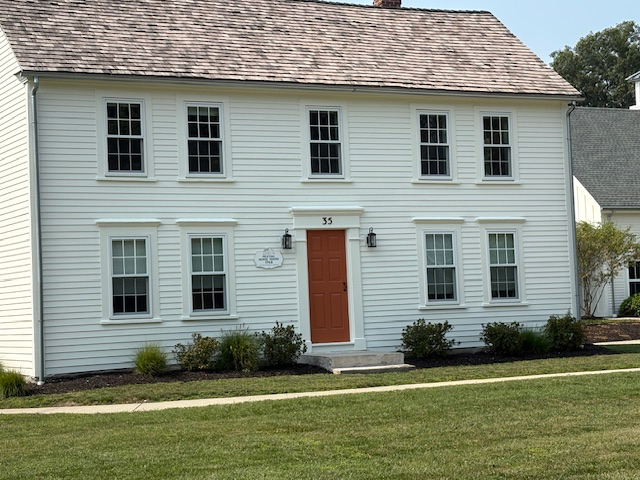
Within less than a mile from my home lies the historic heart of South Natick. From the legacy of the Praying Indians to the colonial homes and 19th-century landmarks that still line the streets, this small village holds a deep well of history waiting to be shared
Today, I share one of these colonial treasures, the Peletiah Morse Tavern
The tavern was built in 1748 by Peletiah Morse, the son of early settler Samuel Morse, whose home once stood beside it. At that time, South Natick was a small settlement on the edge of the old Boston Post Road, the main route that connected Boston to New York. For travelers in the mid-1700s, Morse’s tavern was a welcome sight: a warm fire, a meal, a place to stable horses and share the latest news carried by the stagecoaches that rattled along the road.
Like so many gathering places in the years leading up to the American Revolution, it became a center of community and purpose. Here in South Natick, local men met to drill as minutemen, preparing for the uncertain future that loomed ahead.
As time moved forward, the tavern continued to serve travelers well into the early 1800s and today the building remains remarkably intact as part of a local school (The Riverbend School)
Read More From Nancy
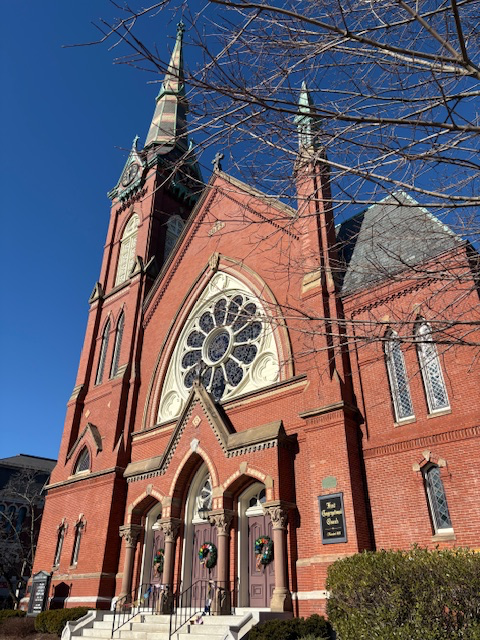
First Congregational Church in Natick
The church stands prominently in downtown Natick. This is the seventh meeting house of the Natick’s First Church, a congregation established in 1651 by John Eliot. Reverend Eliot was a Puritan missionary known as the “Apostle to the Indians” Worship in those earliest years was conducted largely in the Algonquian language, and the meetinghouse stood at the center […]
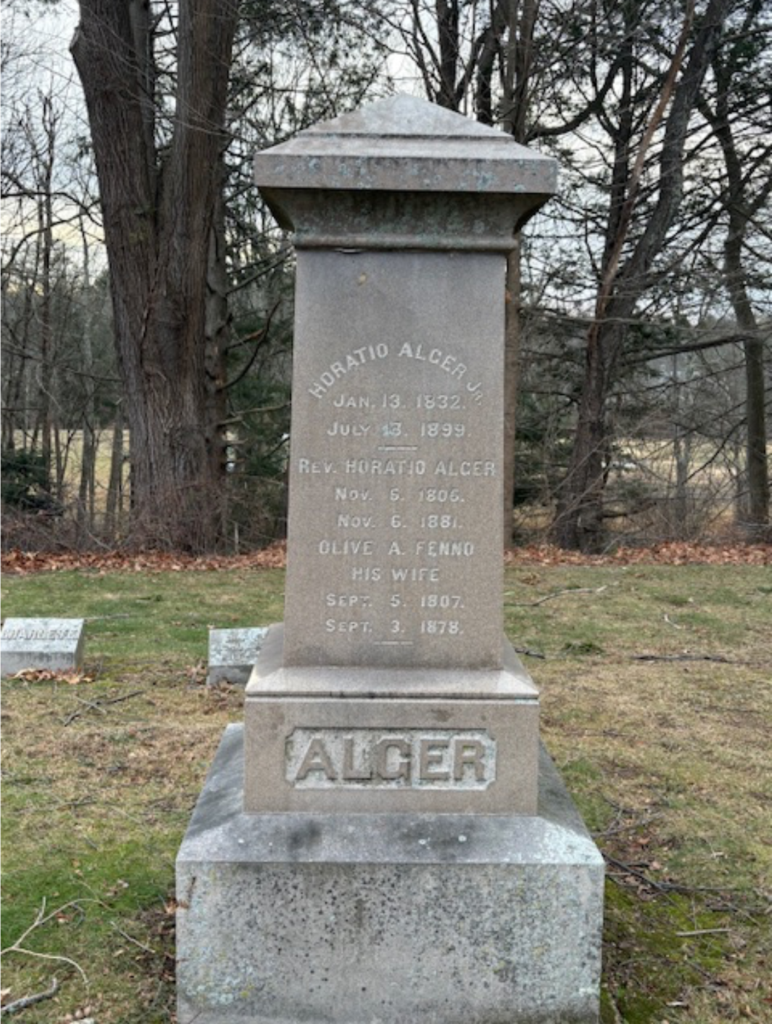
Horatio Alger’s Gravesite
This gravesite marks the Alger family plot in Glenwood Cemetery in Natick, the final resting place of Horatio Alger, Jr, one of the most read American authors of the late 19th century. Alger was born in 1832 and grew up in Natick, where his father, Rev. Horatio Alger Sr. served as pastor of the First Congregational […]
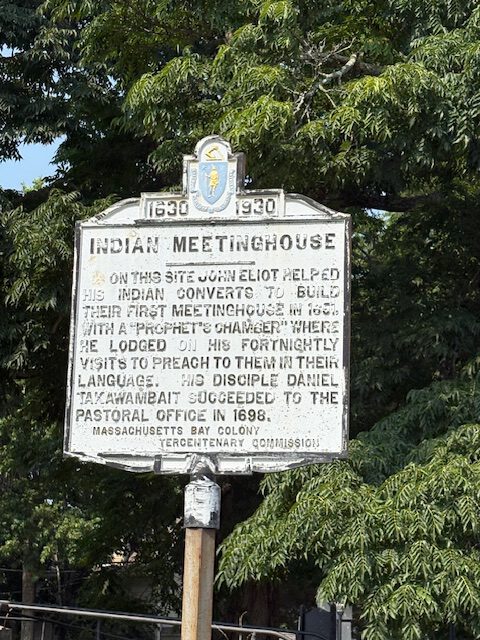
Natick: The First Praying Indian Town
In 1651, missionary Rev. John Eliot established Natick as the first of the “Praying Indian” towns in Massachusetts. He named the town after the Natick American word Natick, translated as a place of hills or a place of searching. He worked closely with local Massachusett and Nipmic people, teaching them Christianity in their native tongue and translating the Bible […]

