6 Curtice Ave
The North End of Concord is where I was born and raised. It is an area built over time by the people who chose to live there and stay.
The Town of Concord was first settled in 1725 and for many years it was a place of farms, open land and scattered homes. When Concord became the state capital in 1808, much of what is the North End remained undeveloped.
It was in the late 1800s, around the time my grandparents’ house was built, that his part of the city began to take shape.
Streets like North States Street extended outward, and smaller roads, like Curtice Ave, were laid out as land was divided and sold. This was not a planned neighborhood. It grew one house at a time, as families arrived and built where there had once been open space.
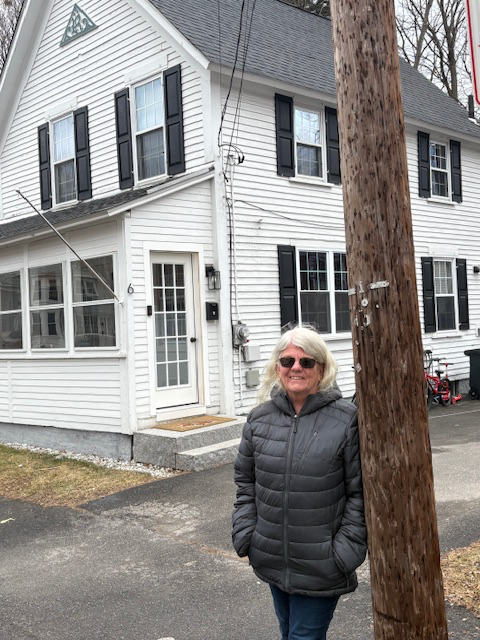
The house at 6 Curtice Avenue, built in 1890. It is a single-family home, modest, built with purpose rather than ornament. Houses like this were designed for living, close to the street, close to neighbors and part of a neighborhood. They reflect a time when the idea of home was tied to connection.
By the turn of the 20th century, the North End had become a working and family centered community. Many of the residents were part of Concord’s growing workforce. The neighborhood became home to a strong Catholic community. Churches, schools and nearby shops created a way of life where much of what people needed could be found within walking distance.
My grandparents began their life at 6 Curtice Avenue. My mother lived her entire life in this home. Their continuity is exactly what places like the North End were built to support. People did not move often, they stayed.
And because they stayed, the neighborhood I grew up in, became more than a collection of houses. It became a place of shared memory, where the same streets, the same houses and the same routines carried from one generation to the next.
Today, the houses are still there. The streets are still laid out the same way. The structure of the neighborhood has not changed, even if the lives within it have.
Standing in front of 6 Curtice Ave, you are not just looking at a house built in 1890. You are looking at the beginning of my family in this neighborhood.
Read More From Nancy
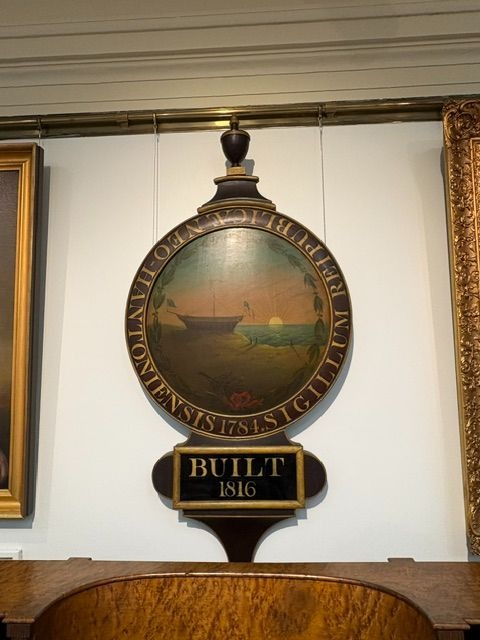
An Early State House Seal
A painted wooden sign in the New Hampshire Historical Society’s collection preserves a connection to the beginnings of the State House in Concord. Made in 1819 by John S. Blunt, it was intended to hang inside the newly completed building. Its circular center bears New Hampshire’s state seal, while a tablet below reads “Built 1816”. […]
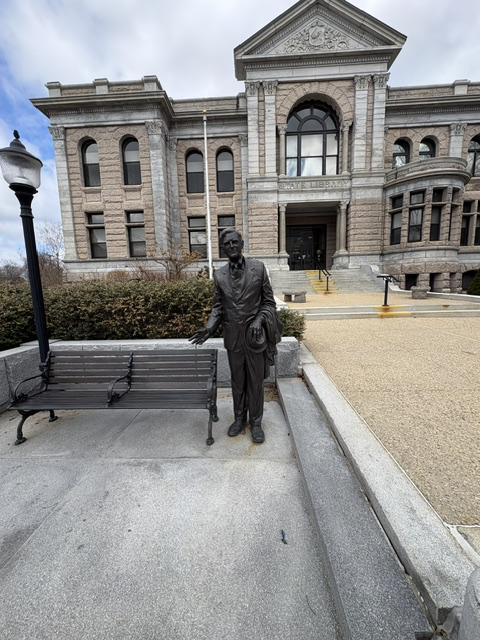
John Gilbert Winant
Walking around the New Hampshire State House, I noticed a bronze statue standing quietly beside a simple granite bench. There was no dramatic pose, no military horse, no grand pedestal. Instead, John Gilbert Winant appears to be greeting visitors as though he had simply stopped to talk. It is a fitting tribute because humility was […]
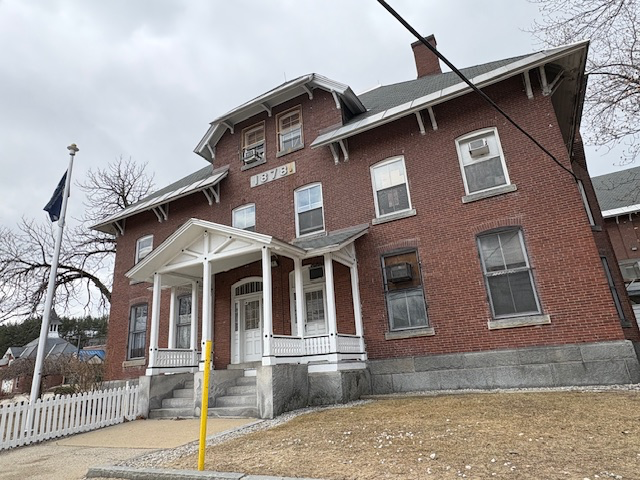
1878 State Prison
In Concord, stands a structure that has carried out its purpose for over a century. Built in 1878, the New Hampshire State Prison was constructed to replace an earlier facility from 1812, reflecting a shift toward a more organized and permanent system of incarceration. The prison is built primarily of brick, with its long walls and […]

