Pierce Gravesite
Tucked within the quiet grounds of the Old North Cemetery in Concord lies the gravesite of Franklin Pierce, more personal than presidential.
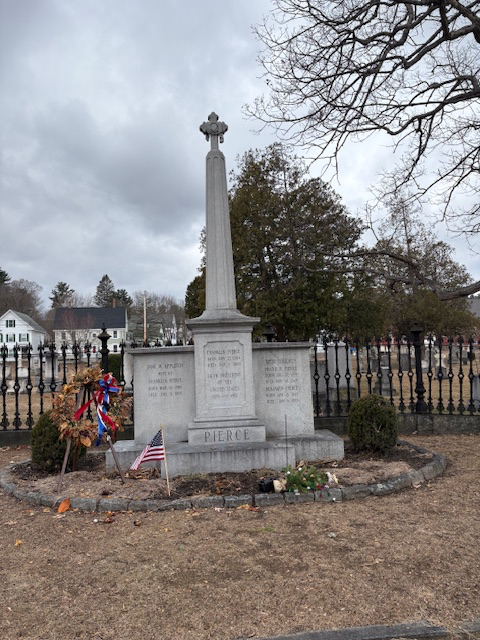
Pierce, the 14th President of the United States, was born in New Hampshire and remained deeply connected to Concord throughout his life. This graveside does not have the grandeur that you might expect for a president. The monument is modest, reflecting the complicated legacy he left behind.
The site is part of the Pierce family plot. He is buried alongside his wife, and their children. Their lives were marked by deep personal tragedy. All three of their sons died young, including one just weeks before Pierce’s inauguration, when their only surviving son was killed in a train accident. It is said that this grief never left him.
The monument is a granite obelisk, rising above the family plot. Around it is smaller stones marking the lives of those closest to him. This is not a presidential memorial, but more of a family resting place.
Pierce’s grave reminds us that behind the title of president was a man shaped by loss, duty, and the weight of a divided nation.
Read More From Nancy
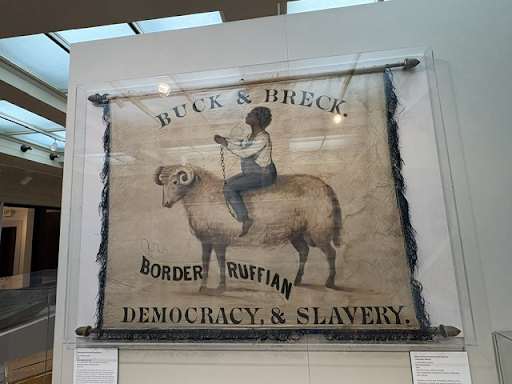
Campaign Banner from the Election of 1860
One of the exhibits that caught my attention was this colorful campaign banner from the presidential election of 1860. While political campaigns often seem like a modern phenomenon, Americans have been using banners, posters, and political imagery to influence voters for generations. This banner was created by members of the Republican Party in New Hampshire […]
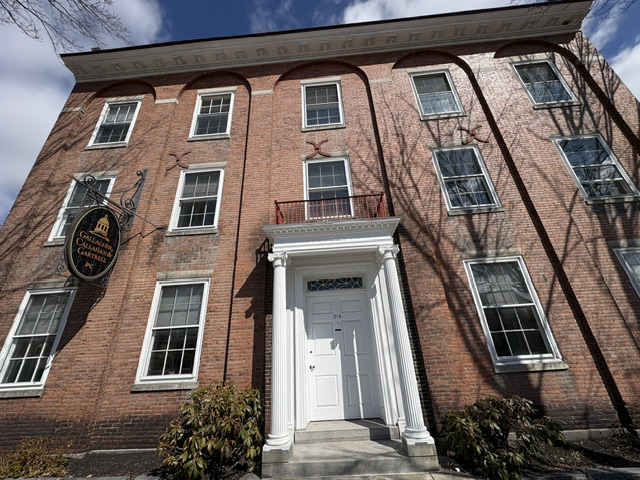
The Merrimack County Bank Building
Walking along North Main Street in Concord, this stately brick building immediately caught my attention. Its elegant Federal architecture, tall windows, and classical entrance suggest that it has witnessed much of the city’s history. As I discovered, it certainly has. Completed in 1826, the building was constructed as the home of the Merrimack County Bank, […]
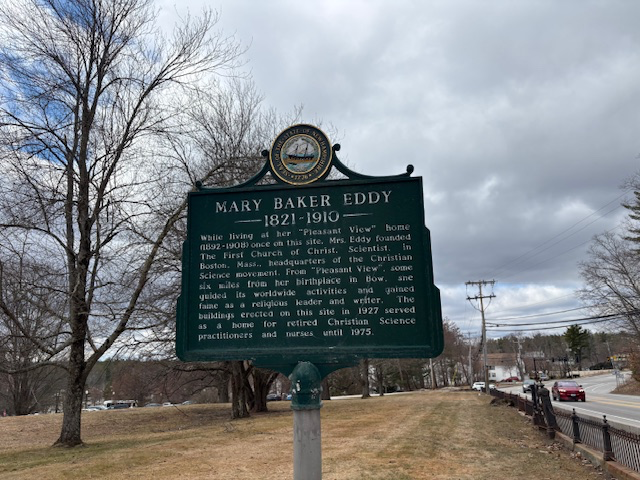
Pleasant View and Mary Baker Eddy
After her earlier years in Concord, Mary Baker Eddy’s story moves here: Pleasant View. This is where everything changes In 1889, she moved to this property, and it became more than a residence. This was the center of her work during the most influential period of her life. From here, she led and organized the Church […]

