Catoctin Mountain Park
Traveling through the mountains of Maryland, I made my way into Catoctin Mountain Park. At first, it feels like a quiet forest, winding trails through dense trees. But this landscape, like many others, carries a history that is not immediately visible.
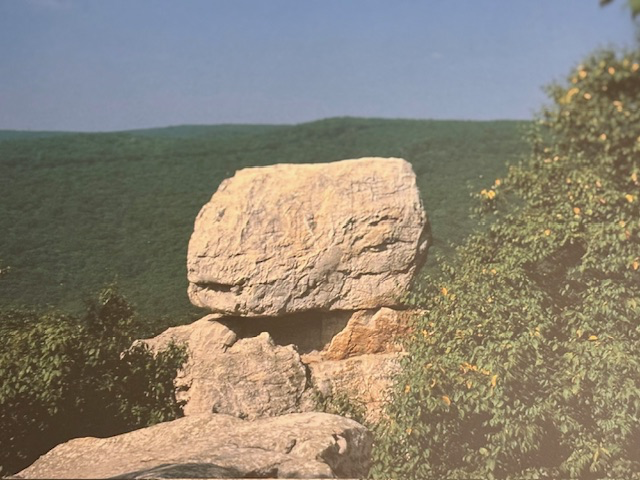
By the early 1900s, much of this land had been logged and overused. The forest that stands here today is a result of deliberate restoration. During the Great Depression, the federal government began reclaiming this land through the work of the Civilian Conservation Corps. They replanted trees, built roads and cabins, and reshaped the area into what would become a place of conservation and recreation.
In 1936, the park was formally established under the care of the National Park Service.
Tucked within the forest is Camp David. Originally built in the 1930s, it was later designated as the presidential getaway. Hidden within the same woods that visitors walk through, it has served as a place for rest, reflection, and at times, decisions of national and international importance. Driving through the park, there is no sign of where Camp David is located. It remains hidden within the forest.
The history of Catoctin is held in the land itself, in what was lost and what was rebuilt. This is a park shaped over time, by use, by recovery and by the decision to preserve it.
Read More From Nancy
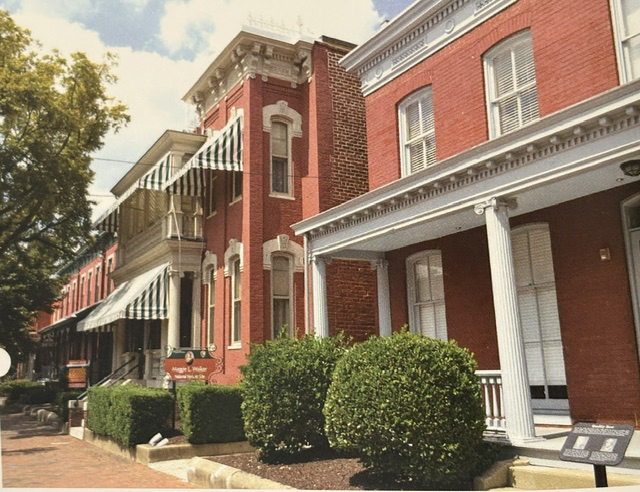
Maggie L. Walker National Historic Site
Maggie L. Walker National Historic Site is one of those places I might never have visited or even learned about. If it had not been preserved by the National Park Service. Traveling to Richmond, Virginia, with a friend, I stepped into the world of a remarkable woman whose vision and determination helped transform the lives of countless African Americans […]
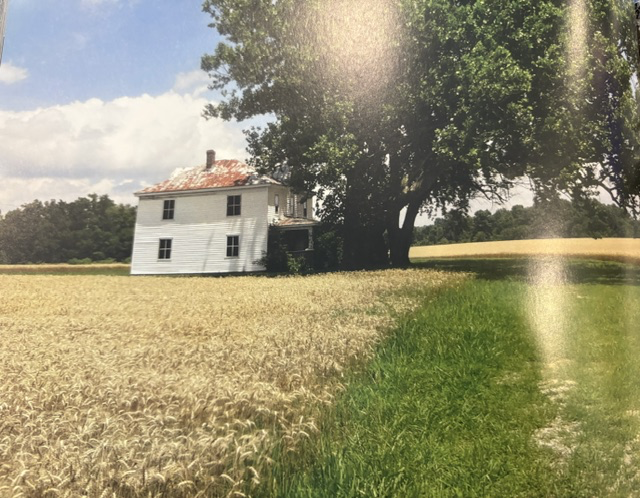
Richmond National Battlefield Park
Richmond National Battlefield Park in Richmond, Virginia, preserves more than a dozen Civil War battlefields that tell the story of the campaigns fought to capture the Confederate capital. Established in 1936, the park commemorates battles including Gaines’ Mill, Cold Harbor, Malvern Hill, and others that helped shape the outcome of the Civil War. One of […]
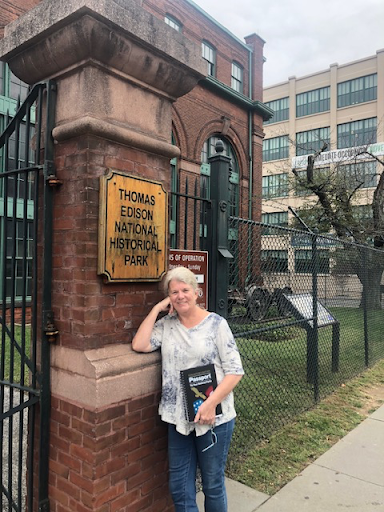
Thomas Edison National Historical Park
Thomas Edison National Historical Park is one of those places where I could wander for hours. Every corner feels like stepping into the mind of a man who reshaped the modern world. From his personal office, preserved just as he left it. To his rigid time clocks that kept his workers on schedule, to the […]

