Petersburg National Battlefield
Petersburg National Battlefield in Petersburg, Virginia, preserves the site of one of the longest and most important campaigns of the Civil War. Established as a national military park in 1926, it tells the story of the ten-month siege that ultimately led to the fall of both Petersburg and the Confederate capital of Richmond.
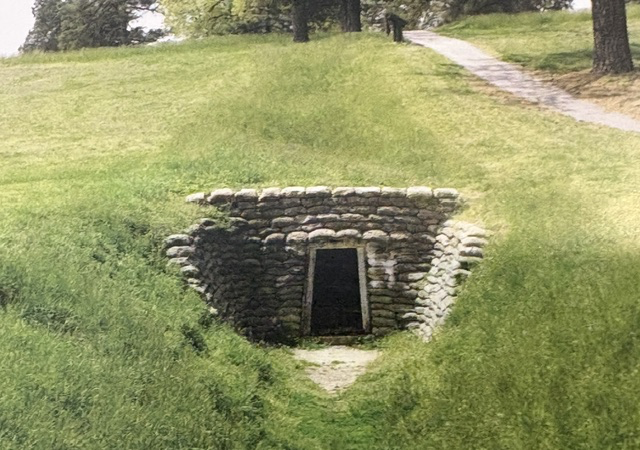
The earthwork shown here is one of the many fortifications that stretched for miles around the city. By 1864, Petersburg had become the lifeline of the Confederacy. Nearly all the railroads supplying Richmond passed through this city, making it one of the most strategic locations in the South. General Ulysses S. Grant understood that if Petersburg fell, Richmond could not survive.
What followed was a grueling ten-month siege. Soldiers on both sides dug miles of trenches and earthworks, creating a style of warfare that foreshadowed the trench fighting of World War I more than fifty years later. The campaign tested the endurance of both armies until Union forces finally broke through Confederate defenses on April 2, 1865. Richmond was evacuated the following day, and just one week later General Robert E. Lee surrendered at Appomattox Court House, effectively bringing the Civil War to an end.
Walking through Petersburg National Battlefield gives visitors a greater appreciation for the scale of the conflict. It is one thing to read about the siege in a history book; it is another to stand among the preserved earthworks and imagine thousands of soldiers living and fighting here for nearly a year.
One of the reasons I enjoy visiting National Park Service sites is that they allow us to experience history where it happened. Petersburg reminds us that the fall of Richmond was not the result of a single battle but of months of perseverance, sacrifice, and strategic planning. Standing among these quiet earthworks today, it is hard to imagine that they once marked the final turning point in one of the most defining chapters of American history.
Read More From Nancy

Gettysburg National Military Park
On our first visit to Gettysburg National Military Park, we hired a Park Ranger to guide us through the battlefield and bring the events that unfolded here to life. Standing on these fields, it became clear that Gettysburg is far more than monuments and cannons. It is a landscape where the course of American history […]
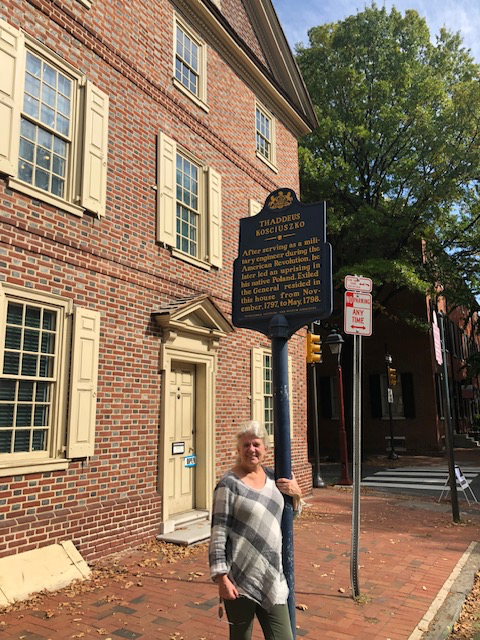
Thaddeus Kosciuszko National Historical Park
I visited the Thaddeus Kosciuszko National Historical Park a few years ago. Tucked along a narrow street in Philadelphia’s Society Hill neighborhood is a house that reveals the story of a man whose ideals helped shape two nations. Thaddeus Kosciuszko was a Polish-born military engineer and idealist who came to America during the Revolutionary War. He […]
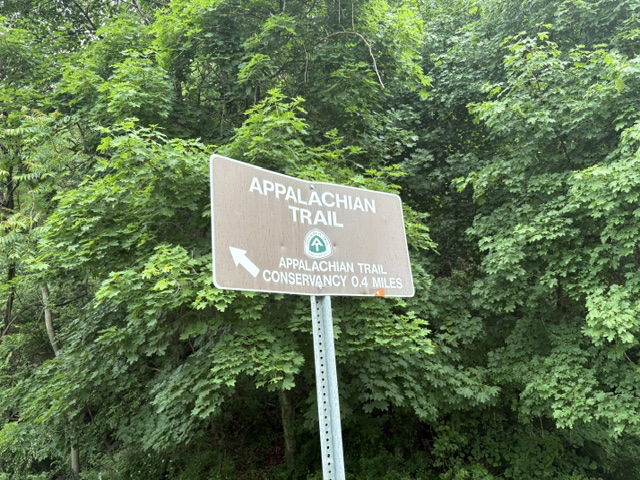
Appalachian Trail
I took this photo in Harpers Ferry, West Virginia, an important landmark along the Appalachian Trail. This sign marks a pathway that stretches nearly 2,200 miles from Mount Katahdin in Maine to Springer Mountain in Georgia, making it one of the longest and most famous hiking trails in the world. The Appalachian Trail was conceived […]

