Richmond National Battlefield Park
Richmond National Battlefield Park in Richmond, Virginia, preserves more than a dozen Civil War battlefields that tell the story of the campaigns fought to capture the Confederate capital. Established in 1936, the park commemorates battles including Gaines’ Mill, Cold Harbor, Malvern Hill, and others that helped shape the outcome of the Civil War.
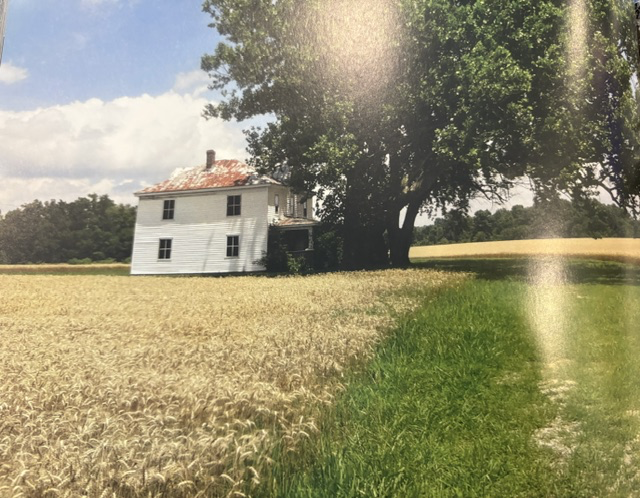
One of the most sobering places within the park is Gaines’ Mill, where more than 15,000 soldiers were killed, wounded, captured, or went missing during a single day of fighting on June 27, 1862. Standing on these peaceful fields today, it is difficult to imagine the violence that once unfolded here.
During my visit, I was especially interested in Chimborazo, one of the sites preserved by the National Park Service. During the Civil War, Chimborazo Hospital became one of the largest military hospitals in the world. At its peak, it covered nearly 40 acres with more than 150 buildings and could care for thousands of patients at one time. Over the course of the war, more than 75,000 Confederate soldiers were treated there.
One story that stayed with me was how the hospital functioned almost like a small city. It had separate wards, operating rooms, kitchens, laundries, bakeries, and even its own police force and post office. Hundreds of doctors, nurses, cooks, laborers, and volunteers worked around the clock caring for wounded soldiers arriving from nearby battlefields. Despite limited medical knowledge and shortages of supplies, many lives were saved through the dedication of those who served there.
Richmond National Battlefield Park is not simply about military strategy or famous generals. It also helps us understand the enormous effort required to care for the wounded and the human cost of war.
Walking through the battlefields and learning about Chimborazo gave me a much greater appreciation for the complexity of the Civil War. The story of Richmond is not confined to the battlefield. It is also found in places like this hospital, where thousands of lives were forever changed and where the quiet work of healing became as important as the fighting itself.
Read More From Nancy
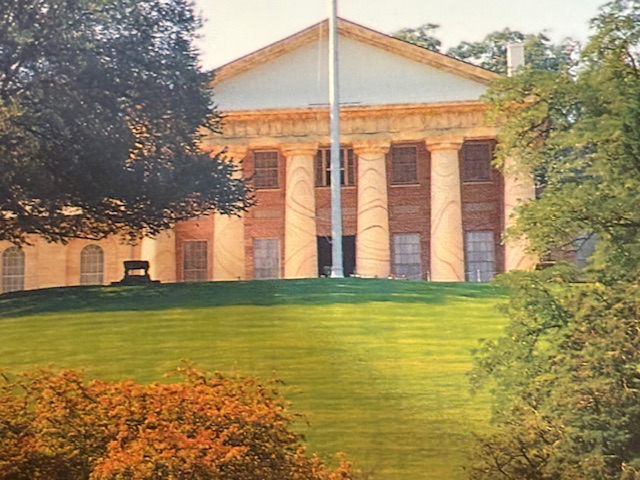
Arlington House, Robert E. Lee Memorial
Arlington House, The Robert E. Lee Memorial sits high above the Potomac River, its columns facing directly toward Washington D.C. The home was built between 1802 and 1818 by George Washington Parke Custis, who intended it as a living memorial to his step-grandfather, George Washington. From its earliest days, this was designed to honor the legacy of […]
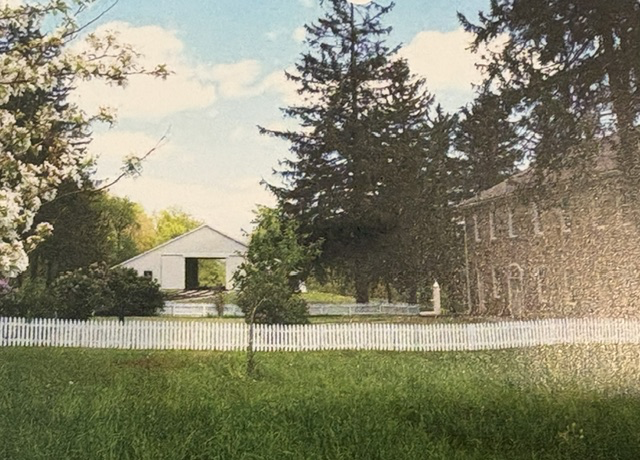
Allegheny Portage Railroad National Historic Site
Allegheny Portage Railroad National Historic Site in Gallitzin, Pennsylvania, preserves one of the most remarkable engineering achievements of early America. Established as a unit of the National Park System in 1964, the site tells the story of the first railroad built to overcome one of the nation’s greatest transportation barriers: the Allegheny Mountains. When the […]
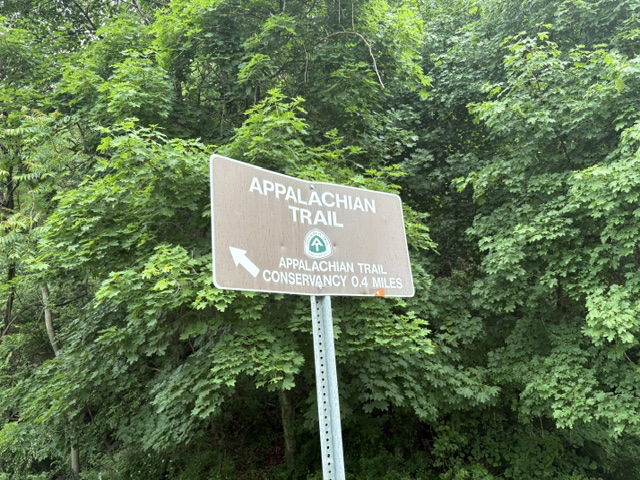
Appalachian Trail
I took this photo in Harpers Ferry, West Virginia, an important landmark along the Appalachian Trail. This sign marks a pathway that stretches nearly 2,200 miles from Mount Katahdin in Maine to Springer Mountain in Georgia, making it one of the longest and most famous hiking trails in the world. The Appalachian Trail was conceived […]

