Gila Cliff Dwellings National Monument
Traveling into the remote mountains of New Mexico, I made my way to the Gila Cliff Dwellings National Monument, a place that requires preparation to reach.
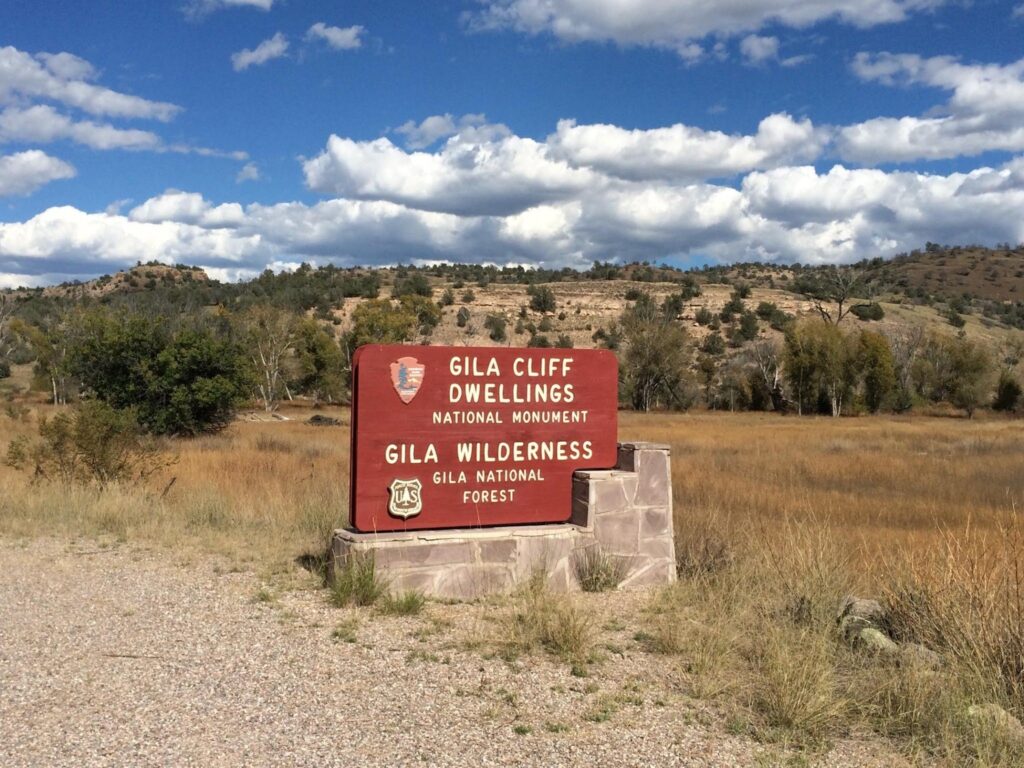
High within the cliffs are the dwellings themselves, built by the Mogollon people in the late 1200s. Between 1275 and 1300, families constructed rooms within natural daes, using stone and mortar to create a sheltered community within the rock.
Walking the trail and climbing into the caves, you move through spaces that were once lived in, rooms where families gathered, where daily life unfolded, and where generations called this place home. It is estimated that only a small number of families lived here at any one time, and only for a relatively short period before moving on.
What makes this place so compelling is that it was not a permanent settlement, but a moment in time, held within the cliffs, then left behind.
Long before the dwellings were protected, there was growing concern that sites like this across the Southwest were being lost. In response, the monument was established in 1907 by Theodore Roosevelt, making it one of the earliest protected cultural sites in the country.
Today, it remains the only unit in the National Park system dedicated specifically to preserving the history of the Mogolion culture.
The Mongolian people were an ancient Native American culture who lived in the Southwest from about 200 to 1450 CE, primarily in what is now New Mexico and Arizona. They were skilled farmers, hunters, and builders who adapted closely to their environment, first living in pit houses and later constructing stone dwellings. Known for their distinctive pottery and small, community-based settlements, they left behind structures that reflect a way of life shaped by both necessity and a deep understanding of the land.
Here is a place to step into and stand where others once stood. They built, lived and left behind structures to tell the story.

Read More From Nancy
Arkansas Post National Memorial
Some places quietly witnessed the turning points of history long before they became part of the United States. Arkansas Post is one of those places. Arkansas Post National Memorial was established on July 6, 1960, to preserve the site of the first permanent European settlement in the lower Mississippi Valley west of the river and […]
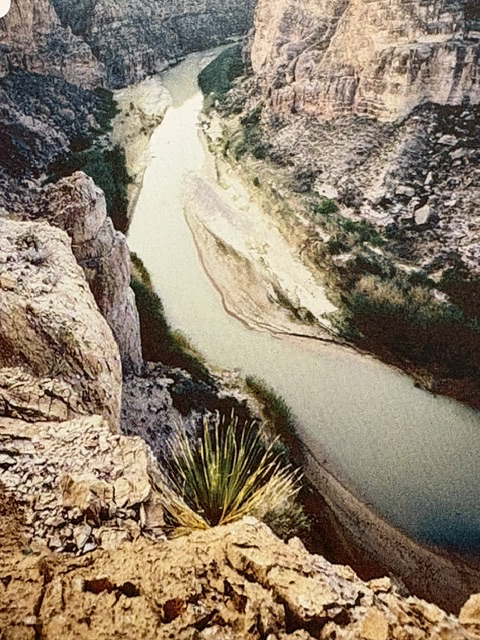
Big Bend National Park
Big Bend National Park in southwest Texas is one of the largest and most remote national parks in the United States. Established in 1944, the park protects more than 800,000 acres where the Chihuahuan Desert, the Chisos Mountains, and the Rio Grande come together to create one of America’s most diverse landscapes. Although Big Bend […]
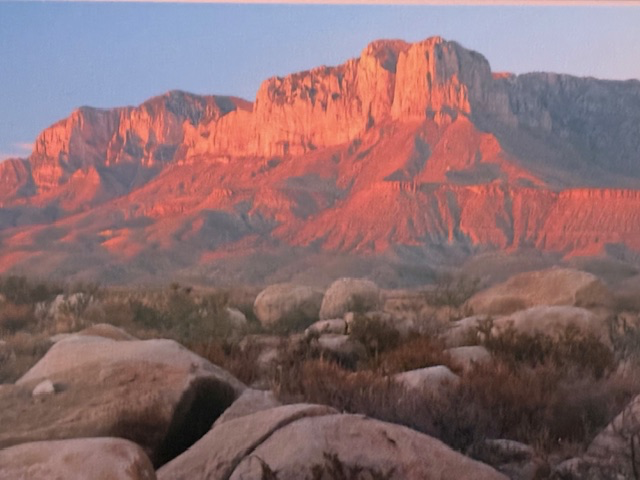
Guadalupe Mountain National Park
Exploring the national parks of Texas takes a commitment and the willingness to spend long hours on the road. Driving around Texas is unlike traveling through New England, where towns and landmarks seem to come one after another. Here, the distance stretches out, and I would drive for miles with little interruption. As I made my […]

