Pacificist Memorial
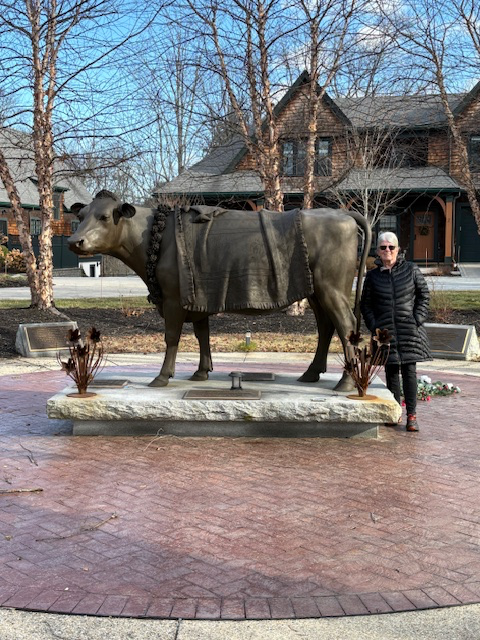
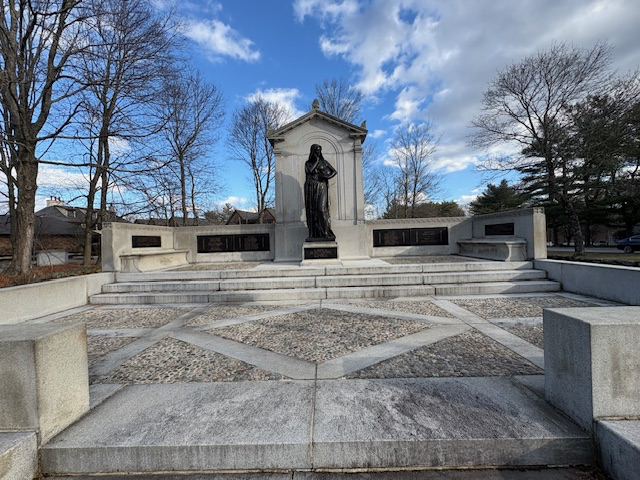
Tucked quietly within the grounds of what was The Peace Abbey in Sherborn, lies one of the most thought provoking memorials in New England: The Pacifist Memorial. Unlike traditional monuments that commemorate battles, this space is dedicated to those who chose a different path: the path of nonviolence.
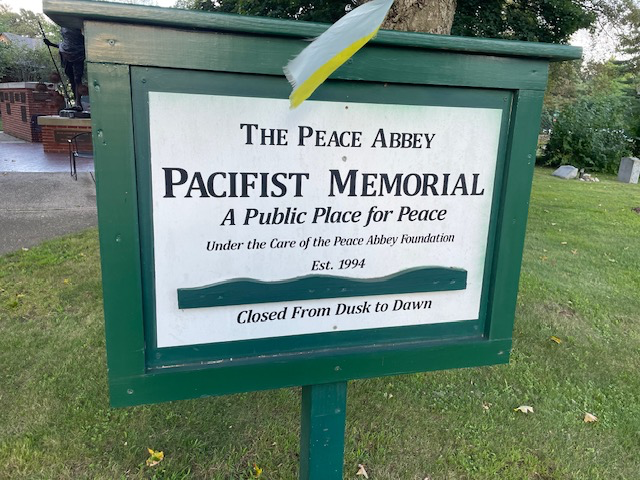
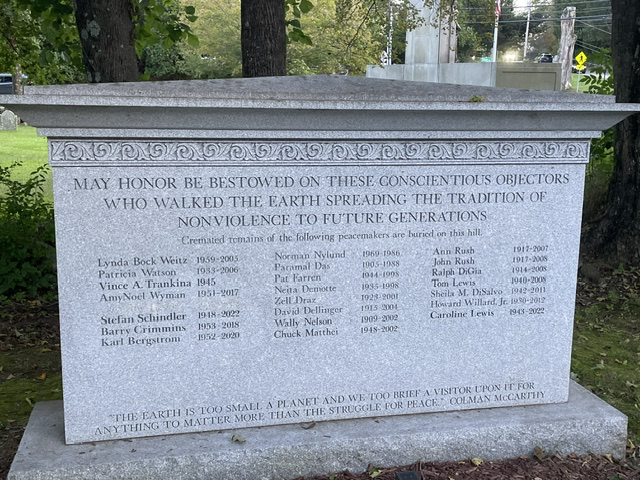
Established in the late 20th century as part of the Peace Abbey’s broader mission, the Pacifist Memorial is not a single statue, but a collection of engraved plaques, each bearing the name of an individual recognized for their commitment to peace. Figures such as Mahatma Gandhi and Albert Einstein are represented alongside lesser kow individuals whose lives reflected the same ideals. Each plaque invited visitors to walk among them.
There are many memorials where we honor those that had the courage to fight in our wars, but this space honors those that had the courage not to. What does it mean to stand for one’s belief when those beliefs reject violence altogether.

Read More From Nancy
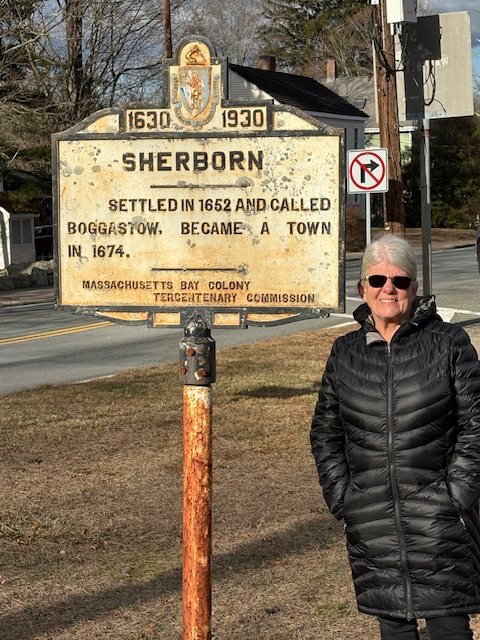
Boggestow
Before it was called Sherborn, the area was known as Boggestow, a native place name that likely described the landscape, interpreted as “rocky” or “hilly” land. The region was inhabited by the Massachusett people, specifically bands connected to the Nipmuc and other Algonquian-speaking tribes of central Massachusetts. The Massachusett were part of a larger network of Native communities living throughout eastern and central […]
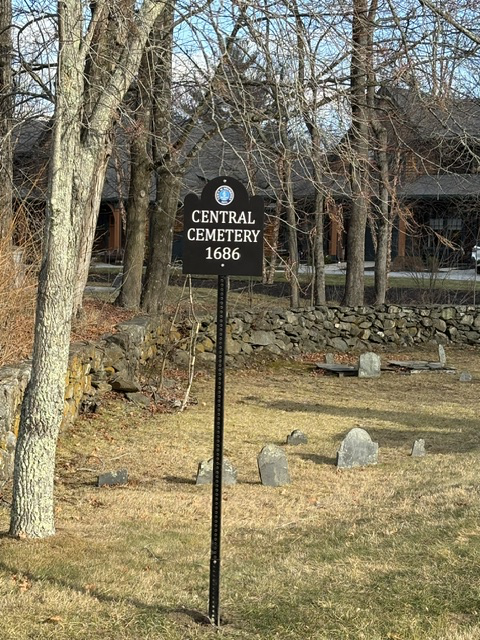
Central Cemetery
In the center of Sherborn, tucked behind an old fieldstone wall, is one of the town’s earliest burial grounds. The simple sign identifies Central Cemetery with the date 1686, immediately connecting this quiet patch of land with the earliest generations of Sherborn. Sherborn itself had been incorporated only in 1674. During the years that followed […]
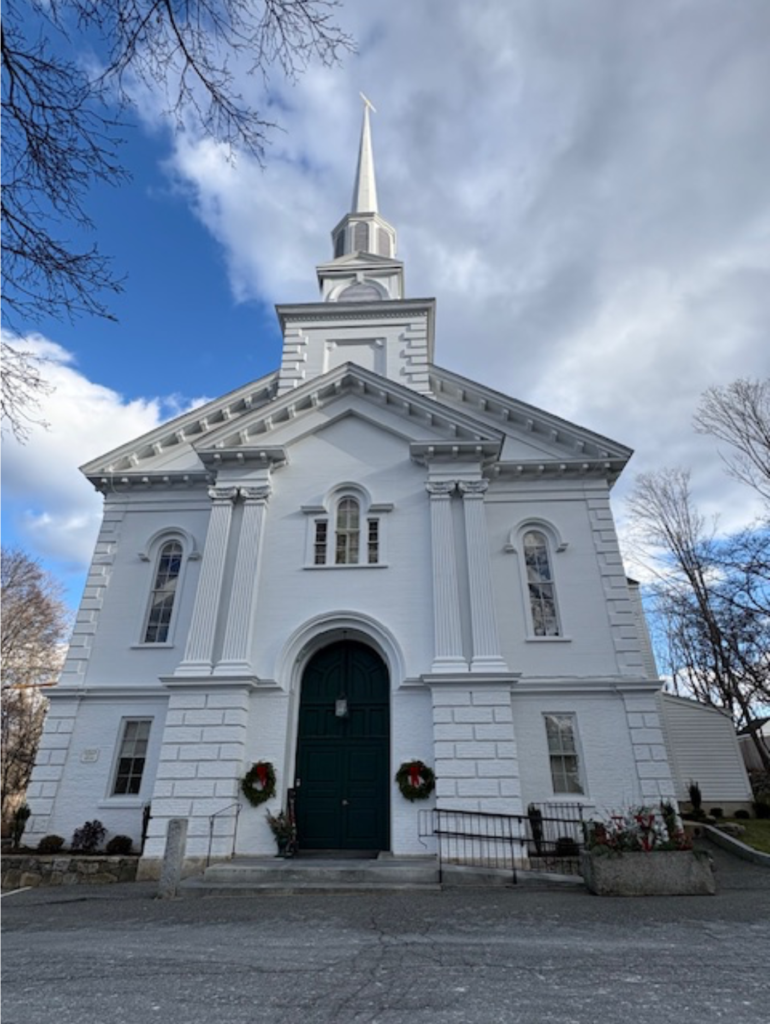
First Parish Church
In the center of Sherborn stands the First Parish in Sherborn, the town’s original church, whose history reaches back to 1685. Just eleven years after Sherborn was incorporated in 1674, the parish formally gathered, establishing the religious and civic heart of the young community. In colonial Massachusetts, a “parish” was more than a congregation. It was […]

