Emily the Cow
In Sherborn, this memorial stands for a cow whose life became a symbol of compassion in our time.
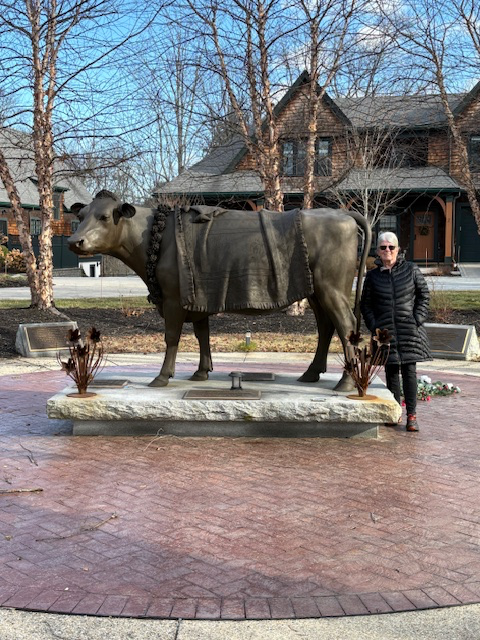
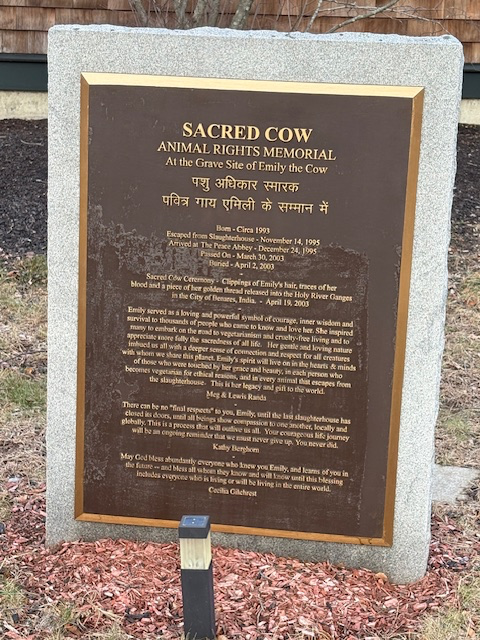
Emily’s story belongs to the late twentieth century. After escaping from a slaughterhouse in 1995, she was taken in by the Peace Abbey, a sanctuary devoted to nonviolence, humanitarian causes and animal welfare. There she lived out the remainder of her life, nearly eight years, becoming a quiet ambassador for animal protection and ethical reflection.
When Emily died in 2003, she was buried in Sherborn, and the Animal Rights Memorial was created at her gravesite. The plague frames her life as something worthy of remembrance. Alongside colonial homes and war monuments, Sherborn also preserves a site dedicated to conscience and mercy in the modern era.
In Sherborn, history is not frozen in one period. It stretched from seventeenth century settlement to twentieth century activism. Here is a single cow remembered for her life, her survival and how she moved people
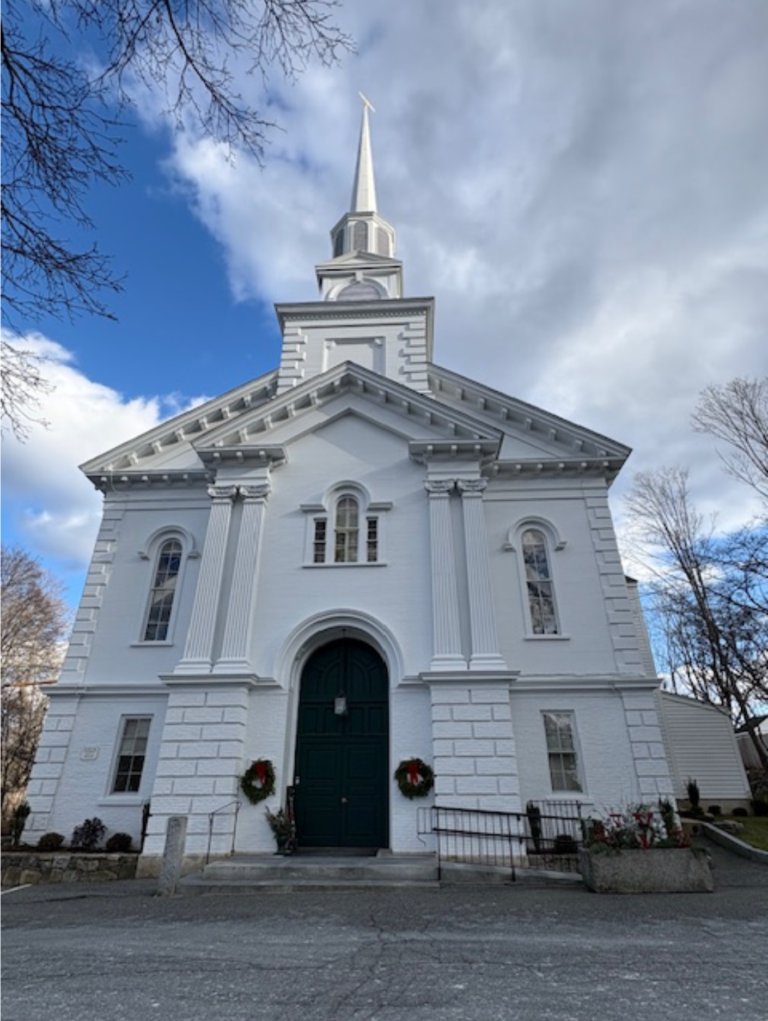
Read More From Nancy
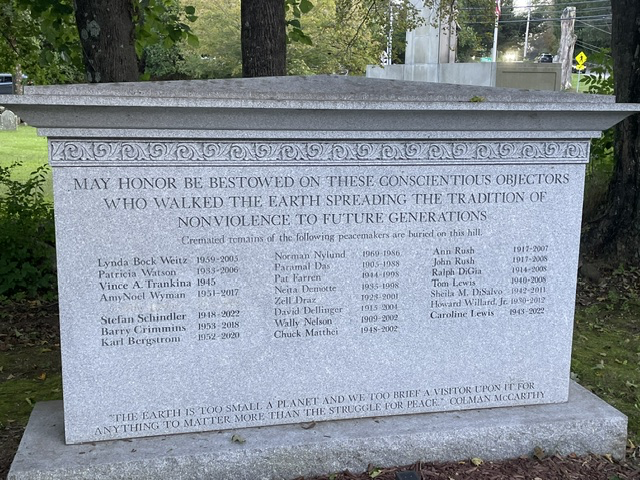
Conscientious Objectors Memorial
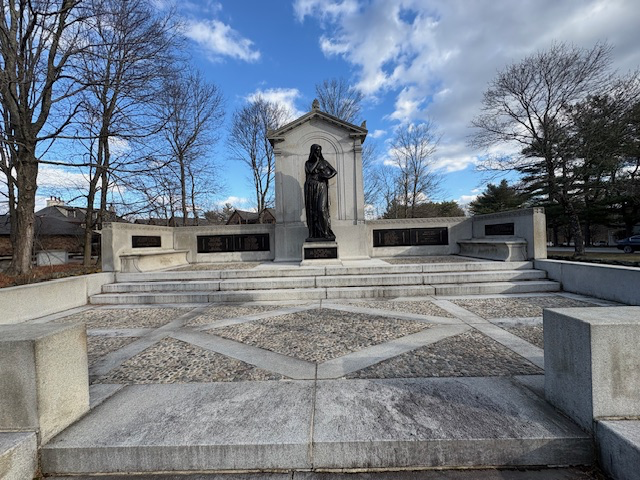
Among the many memorials that stand throughout New England, few are as unique as this one. Rather than honoring soldiers, political leaders, or pioneers, this monument remembers men and women whose lives were devoted to a different calling, the pursuit of peace. Its inscription reads: “May honor be bestowed on these conscientious objectors who walked […]
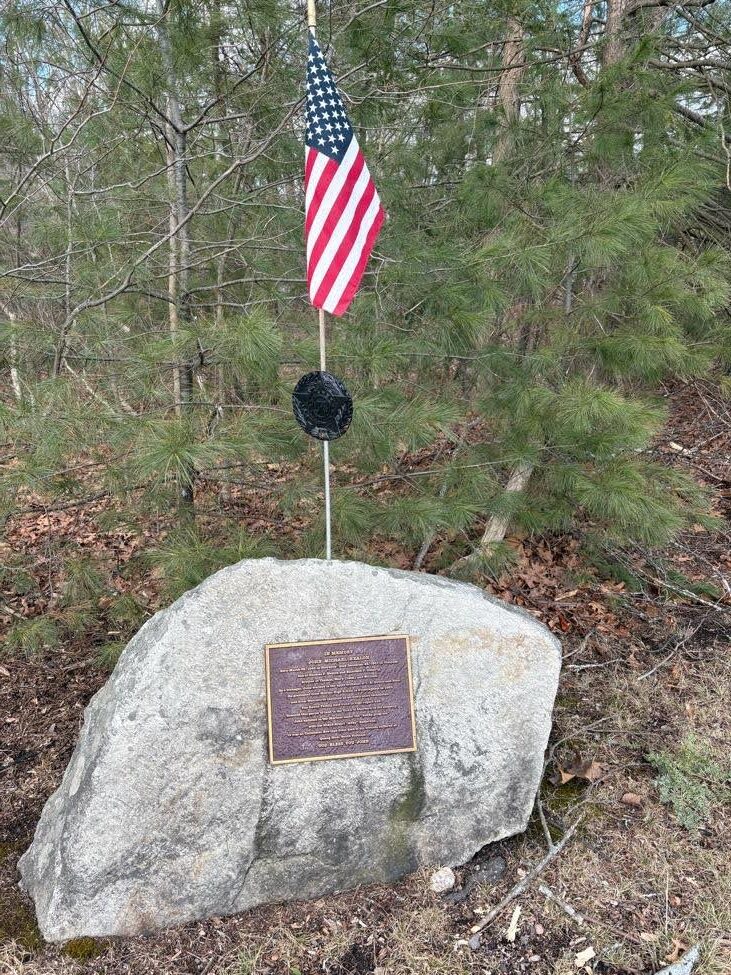
Nealon Vietnam Memorial
Driving through the roads of Sherborn, I came across something unexpected. At a busy rural intersection, far from the town center, a stone monument caught my attention. It is easy to drive past without noticing, yet the bronze plaque tells a personal story. The top of the plaque reads: “In MemoryJohn Michael NealonBorn March 22, 1945 […]
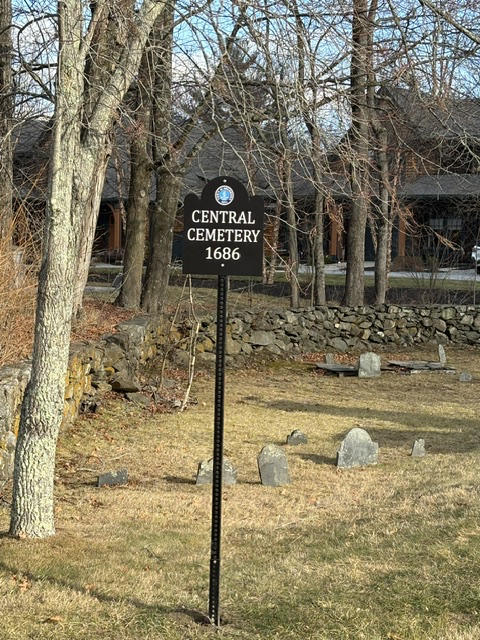
Central Cemetery
In the center of Sherborn, tucked behind an old fieldstone wall, is one of the town’s earliest burial grounds. The simple sign identifies Central Cemetery with the date 1686, immediately connecting this quiet patch of land with the earliest generations of Sherborn. Sherborn itself had been incorporated only in 1674. During the years that followed […]

