Boggestow
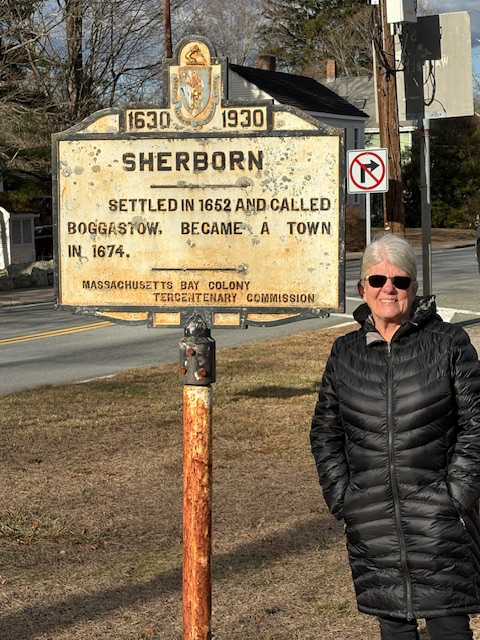
Before it was called Sherborn, the area was known as Boggestow, a native place name that likely described the landscape, interpreted as “rocky” or “hilly” land. The region was inhabited by the Massachusett people, specifically bands connected to the Nipmuc and other Algonquian-speaking tribes of central Massachusetts.
The Massachusett were part of a larger network of Native communities living throughout eastern and central Massachusetts. They moved seasonally, fishing along rivers like Charles, planting corn and other crops, and hunting in wooded uplands. Place names such as Boggestow preserve traces of the earlier presence, even after English settlers incorporated the town as Sherborn in 1674.
In the mid-17th century, disease, land sales, missionary efforts, and increasing English settlement reshaped Native life in the region. Like many towns in Massachusetts, Sherborn’s colonial story rests on land that had been stewarded by Native peoples whose names remain embedded in its earliest identity.
Read More From Nancy
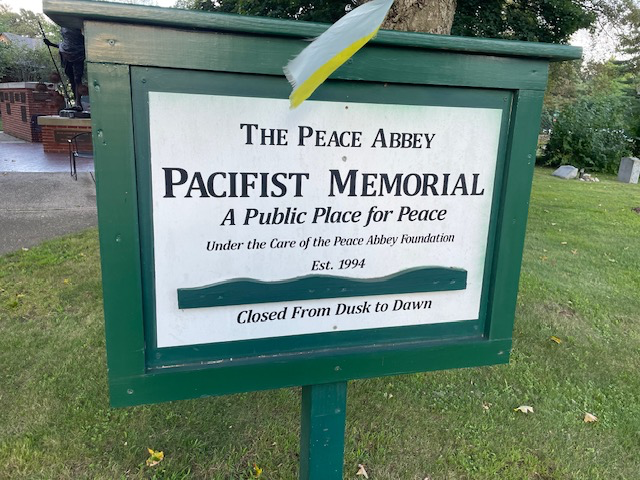
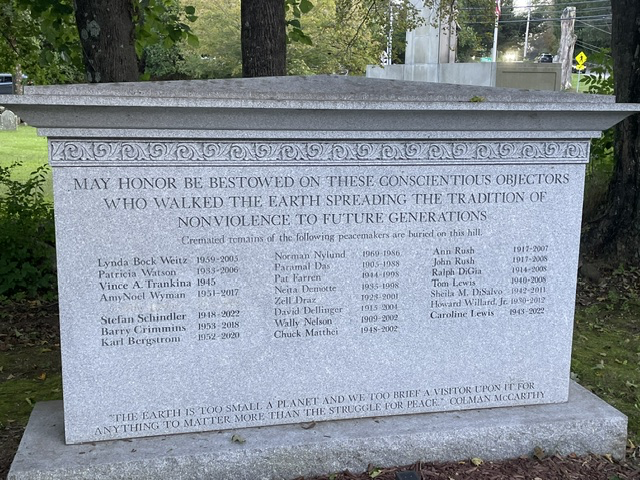
Pacificist Memorial
Tucked quietly within the grounds of what was The Peace Abbey in Sherborn, lies one of the most thought provoking memorials in New England: The Pacifist Memorial. Unlike traditional monuments that commemorate battles, this space is dedicated to those who chose a different path: the path of nonviolence. Established in the late 20th century as part of […]
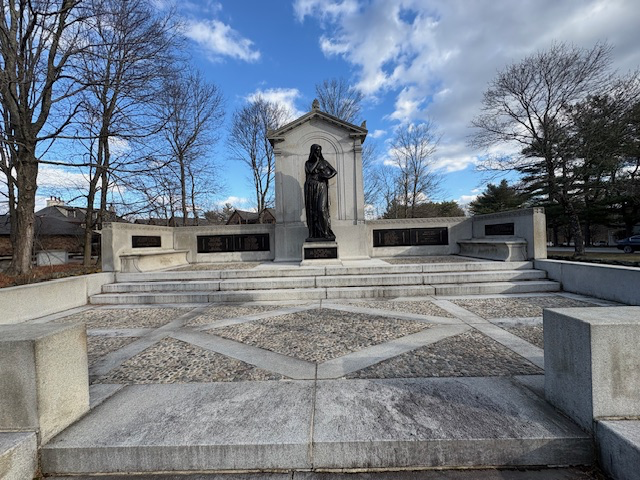
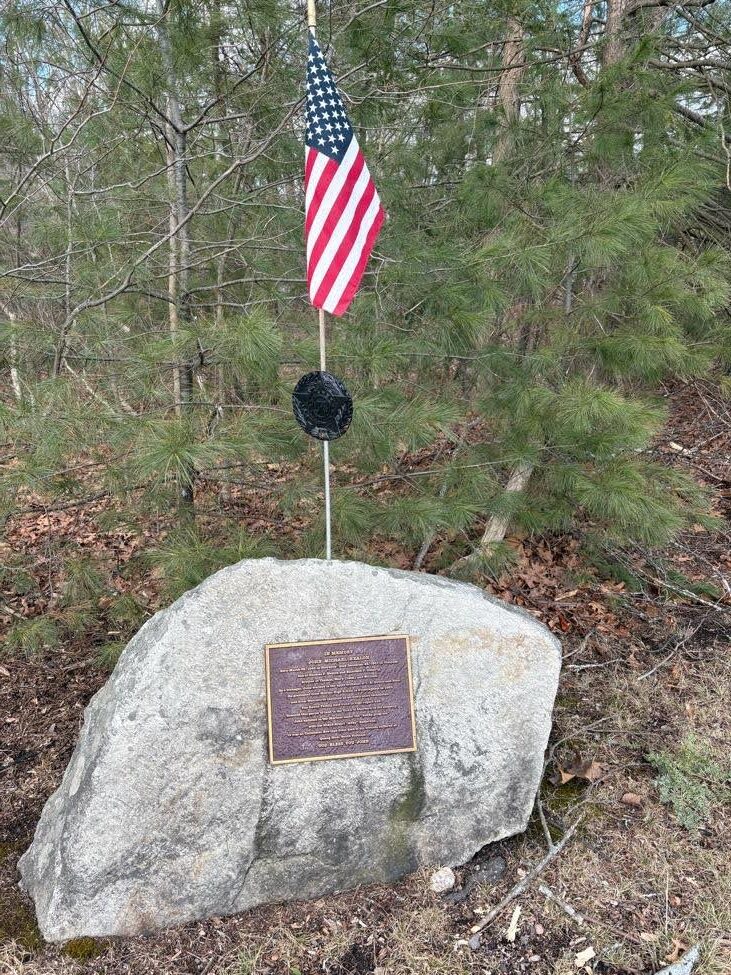
War Memorial
The small town of Sherborn sits quietly beside my hometown of Natick and carries a depth of history that reaches back to the very beginnings of colonial Massachusetts. Settled in the 1670s, and incorporated in 1674, Sherborn developed as a farming community shaped by Puritan roots, and winding country roads. A visit into Sherborn brings you […]
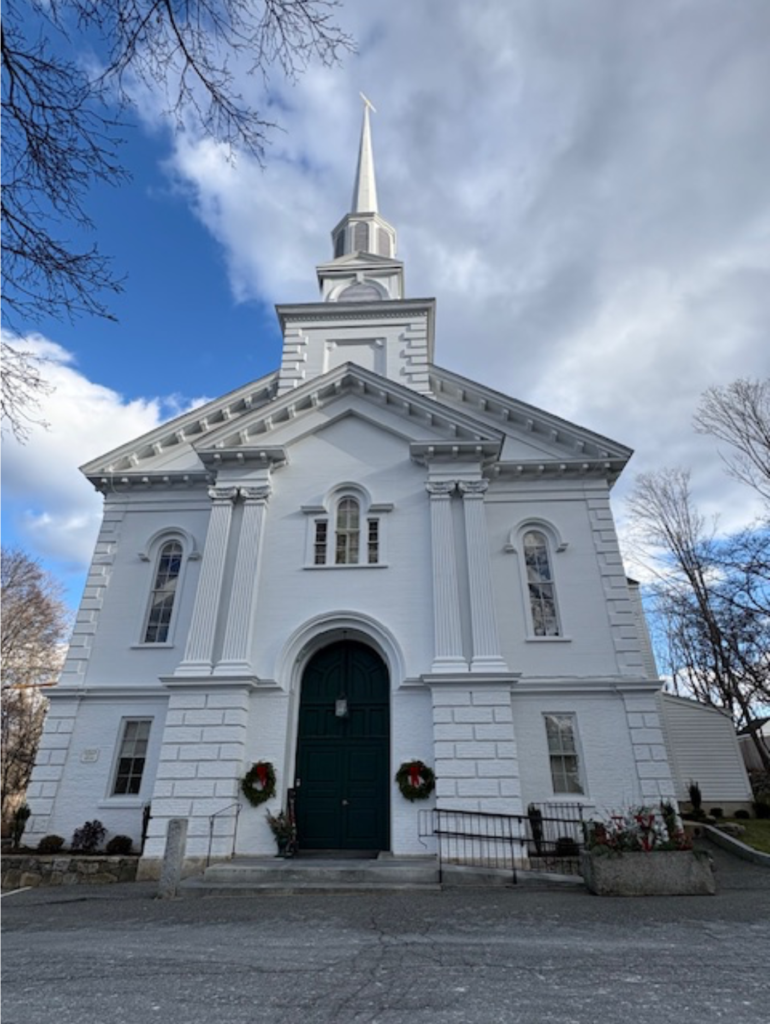
First Parish Church
In the center of Sherborn stands the First Parish in Sherborn, the town’s original church, whose history reaches back to 1685. Just eleven years after Sherborn was incorporated in 1674, the parish formally gathered, establishing the religious and civic heart of the young community. In colonial Massachusetts, a “parish” was more than a congregation. It was […]

