A Home for Family and Others
The exhibits at the Harriet Tubman Underground Railroad Visitor Center in Church Creek follow her story beyond escape journeys and Civil War service to the home she established in Auburn, New York. There, her commitment to helping others continued through family life, hospitality, and care for people who needed a place to live.
In 1859, Tubman purchased a house and seven-acre farm on the outskirts of Auburn. The property became a home for her family and a refuge for others, including people who had suffered under slavery and during the war. Providing food and shelter became part of her daily work.
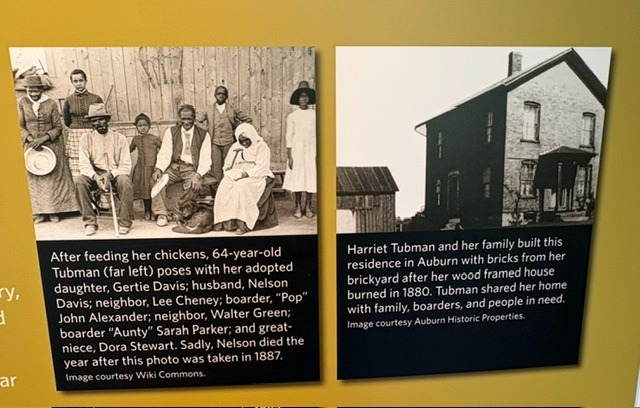
In 1869, she married Nelson Davis, a Civil War veteran and bricklayer. They adopted their daughter, Gertie, in 1874. The household included relatives, boarders, and people in need, extending beyond the immediate family.
After a fire destroyed the earlier wooden residence, a brick house took its place. Tubman’s family and friends helped build it, preserving the property as a shared home. The visitor-center exhibit places the house alongside a family photograph, introducing the people who were part of this later period of her life.
Her concern for older people eventually led to a larger undertaking. She acquired an adjoining property in 1896 and worked with the African Methodist Episcopal Zion Church to establish a home for elderly Black people. The facility opened in 1908, providing care and shelter for people whose options were limited.
This part of Tubman’s life deserves a place beside the rescue journeys for which she is best remembered. Reaching freedom was followed by the continuing needs of housing, food, family, and support in old age. In Auburn, she devoted her home and resources to meeting those needs, carrying her work into the ordinary responsibilities of caring for others.
Read More From Nancy
Scout, Spy, and Nurse
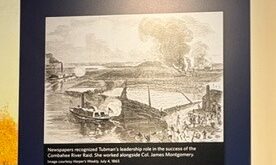
Harriet Tubman’s work for freedom continued during the Civil War, when she served the Union as a nurse, cook, scout, and spy. The exhibits at the Harriet Tubman Underground Railroad Visitor Center in Church Creek follow this part of her life beyond Maryland to the South, where her experience and judgment became valuable to military […]
The People Who Helped Along the Way
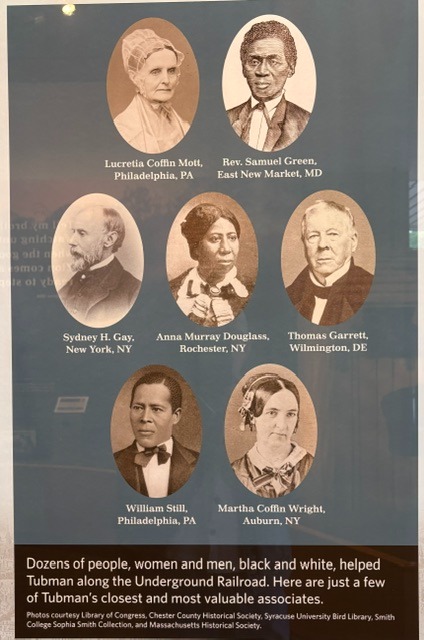
Harriet Tubman’s journeys depended on courage, judgment, and knowledge of the people and places along the route. They also depended on help. At the Harriet Tubman Underground Railroad Visitor Center in Church Creek, an exhibit introduces several of the people who worked with her: Black and white, women and men, living in communities from Maryland […]
Guided by Faith
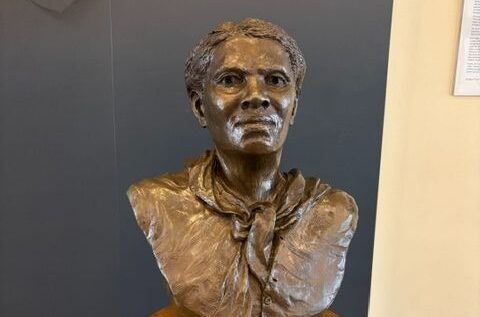
Faith was central to Harriet Tubman’s understanding of her life and work. At the Harriet Tubman Underground Railroad Visitor Center in Church Creek, an exhibit explains how she understood God as a liberator, drawing meaning from the biblical account of the Israelites escaping bondage in Egypt. Despite hearing slavery defended in segregated churches, she held […]

