Escaping Slavery and Returning for Others
In October 1849, a newspaper notice offered a reward for the capture of three people who had escaped slavery: Harry, Ben, and their sister, identified as “Minty.” She would become widely known as Harriet Tubman. The notice listed their physical characteristics and placed a monetary value on their return, documenting the pursuit they faced when attempting to leave.
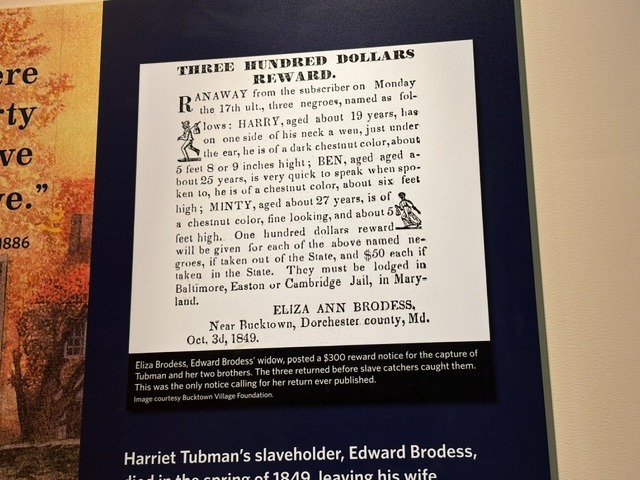
That first attempt with her brothers ended when they returned. Later that fall, Tubman escaped again, this time without them, and reached freedom in Philadelphia. The threat of being sold away had helped drive her decision to leave Maryland.
Her own escape began a much longer undertaking. Over roughly the next decade, she returned to Maryland approximately thirteen times and guided about seventy people to freedom, including relatives and friends. She also supplied instructions that helped others make their own journeys. Each return exposed her to capture and re-enslavement.
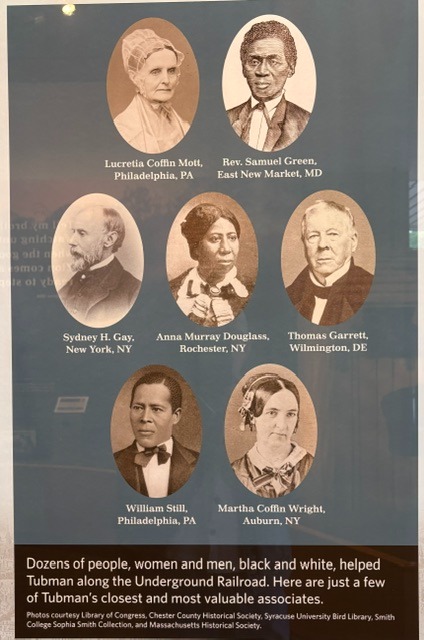
The Underground Railroad was a network of people, routes, and assistance rather than a railway. Freedom seekers depended on their own decisions and resourcefulness, along with help from people willing to provide shelter, food, transportation, money, and information. Tubman became one of its most effective guides.
The Fugitive Slave Act of 1850 made reaching a free state insufficient protection. People who had escaped slavery could still be seized and returned, and free Black people also faced the danger of kidnapping. An 1851 poster displayed at the visitor center warned Black residents of Boston to beware of police officers acting as slave catchers. Tubman’s rescue journeys increasingly extended to Canada, beyond the reach of American slave-catching laws.
These exhibits make the geography of freedom more complicated than a simple journey north. Crossing a state boundary did not necessarily mean safety. Tubman had to consider where people could remain free, who could be trusted, and how to continue moving without discovery.
Her repeated journeys also kept family separation at the center of the story. Having escaped herself, she returned to help others leave the communities where she had grown up. Those journeys required planning and support, and they carried consequences for everyone involved. At Church Creek, the reward notice and warning poster help explain the risks behind the familiar account of Harriet Tubman leading people to freedom.
Read More From Nancy
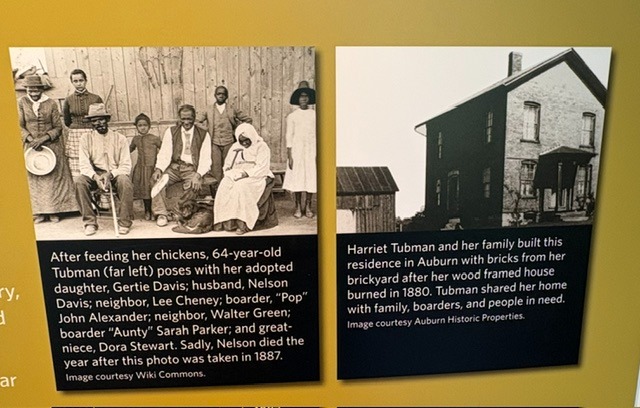
A Home for Family and Others
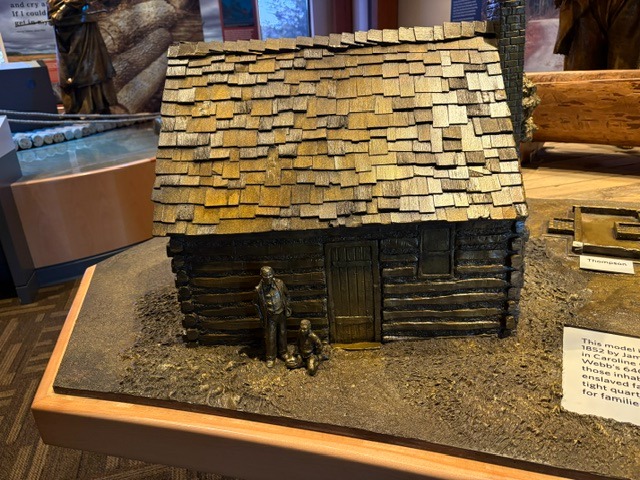
The exhibits at the Harriet Tubman Underground Railroad Visitor Center in Church Creek follow her story beyond escape journeys and Civil War service to the home she established in Auburn, New York. There, her commitment to helping others continued through family life, hospitality, and care for people who needed a place to live. In 1859, […]
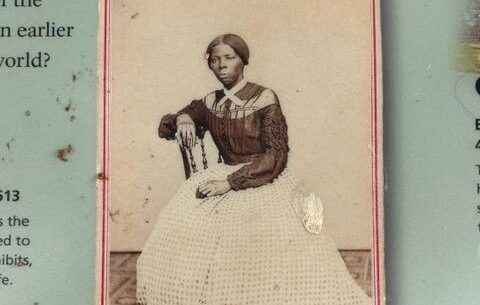
A Rediscovered Portrait
This portrait shows Harriet Tubman in her forties, seated beside a chair in a patterned dress. Photographer Benjamin F. Powelson made it in Auburn, New York, around 1868–1869, after her Underground Railroad journeys and Civil War service. It presents an earlier view of a woman often recognized through photographs taken in old age. The photograph […]
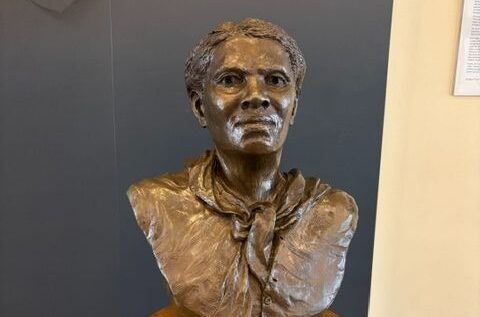
Guided by Faith
Faith was central to Harriet Tubman’s understanding of her life and work. At the Harriet Tubman Underground Railroad Visitor Center in Church Creek, an exhibit explains how she understood God as a liberator, drawing meaning from the biblical account of the Israelites escaping bondage in Egypt. Despite hearing slavery defended in segregated churches, she held […]

