When the Light Could Not Be Seen
The small red brick bell house at Pemaquid Point served a purpose that the lighthouse alone could not fulfill. When fog obscured the coast and hid the light, mariners needed a warning they could hear.
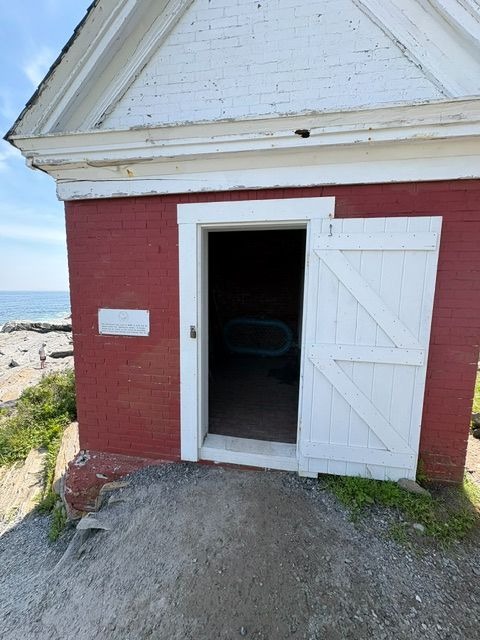
Built in 1897, the bell house sheltered the equipment used to operate the station’s fog bell. Early arrangements included steam-powered machinery, but in 1899 a weight-driven striking mechanism replaced it. A tall wooden tower housed the weights that powered the new system.
The mechanism worked rather like a large clock. At the onset of fog, the keeper wound the machinery, raising the weights. As they slowly descended, they powered a striker that sounded the bell at regular intervals. According to the Fishermen’s Museum, one winding could keep it operating for six to eight hours. The keeper then had to wind it again if poor visibility continued.
That equipment added another responsibility to the keeper’s work. Maintaining a light was only part of protecting vessels along this rocky shoreline; changing weather could also require hours of attention to the fog signal. Historical light lists recorded a single bell stroke every ten seconds, giving the warning a recognizable rhythm.
With its white door and simple brick walls, the building could easily be overlooked beside the lighthouse. Yet it represents an essential part of the station’s history: the effort to make this dangerous stretch of coast identifiable even when it disappeared from view.
Read More From Nancy
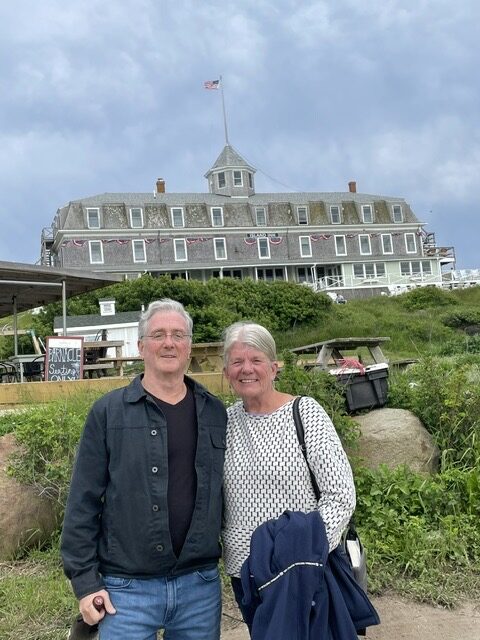
Monhegan Island
Staying at the Island Inn became an important part of our experience on Monhegan Island. Perched on a bluff overlooking the harbor, the large shingled inn seems perfectly suited to its surroundings. From the moment we arrived, there was a feeling that we had stepped into an earlier era of New England summer travel. The […]
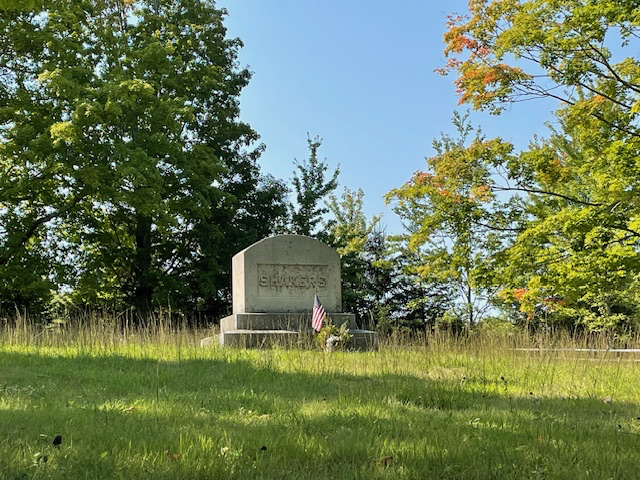
The Shaker Cemetery
I had already explored the history of Sabbathday Lake Shaker Village, but its cemetery offered another way to understand the people who live there. Unlike burial grounds filled with elaborate monuments celebrating individual wealth, military service, or family ancestry, the Shaker Cemetery reflects the community’s beliefs in simplicity, humility, equality, and collective life. The Shakers […]
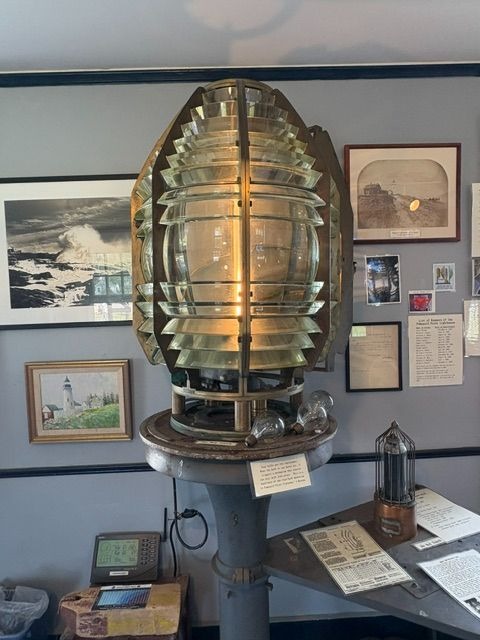
The Glass that Carried the Light Fishermen’s Museum
Inside the Fishermen’s Museum, a large glass lens stands in a metal frame, its carefully shaped sections stacked around the space where a lamp would sit. It is a Fresnel lens, an invention that transformed lighthouse illumination during the nineteenth century. The museum describes this exhibit as similar to the lens used in Pemaquid Point […]

