The Roman Aqueduct
Inside Casa de l’Ardiaca, near Barcelona’s cathedral, surviving water channels reveal part of the engineering that supported the ancient Roman city of Barcino. Built into a site later occupied by a medieval residence, these remains preserve evidence of an essential urban service: bringing fresh water from beyond the city walls.
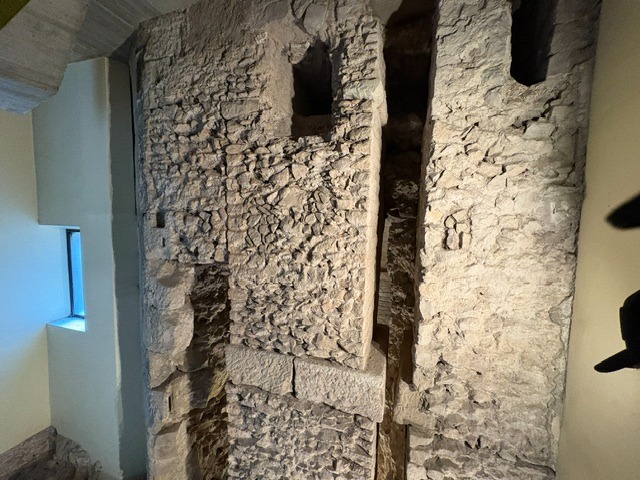
The Romans established Barcino near the end of the first century BC. Its inhabitants needed water for drinking, public fountains, bathing, workshops, and the cleaning of drains. Meeting those needs required a dependable supply and a carefully planned system for distributing it.
Water traveled from the Montcada area through an aqueduct extending more than eleven kilometers. A gradual downward slope allowed gravity to carry it toward the city. Much of the route consisted of channels close to or beneath the ground; elevated arches supported the watercourse where the terrain required them.
Near present-day Plaça Nova, two parallel channels entered beside one of the city’s gates. Sections preserved inside Casa de l’Ardiaca help explain how water crossed this boundary. Their survival also allows archaeologists to study a system whose full course has largely disappeared beneath later development.
As Barcelona expanded and changed, new buildings incorporated portions of its Roman infrastructure. Casa de l’Ardiaca preserves this layering particularly well, bringing ancient masonry into the fabric of a residence built centuries later.
These channels offer a connection to the everyday life of Roman Barcelona. Behind its temples, streets, and defensive walls stood the practical work of finding water, transporting it, and supplying a community.
Read More From Nancy
Fossar de les Moreres
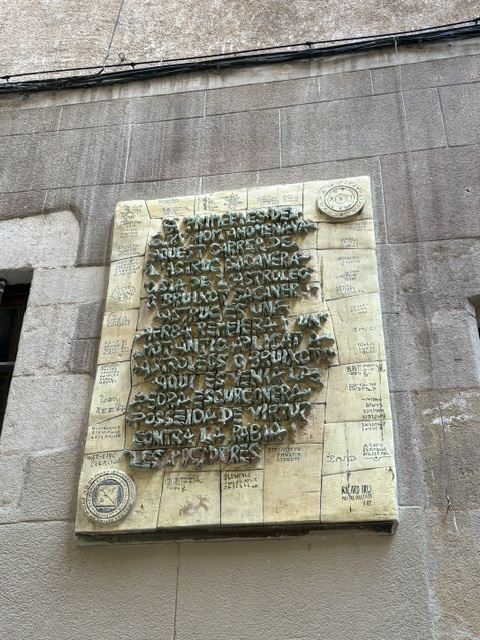
Beside the Basilica of Santa Maria del Mar is the Fossar de les Moreres, a former burial ground that has become one of Barcelona’s most important places of remembrance. The memorial honors those who died defending the city during the final siege of Barcelona in 1714. The siege occurred during the War of the Spanish […]
Homage to the Book
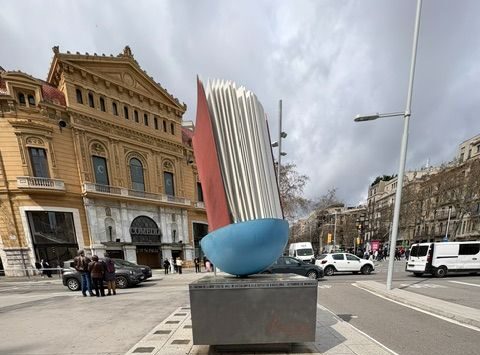
At a busy intersection in Barcelona, an oversized book rises above the pavement. Its red cover opens around a fan of pale pages, balanced on a blue rounded base. Surrounded by traffic, pedestrians, and substantial stone buildings, it brings an unexpected touch of playfulness to the street. Looking more closely reveals that this unusual sculpture […]
Park Guell
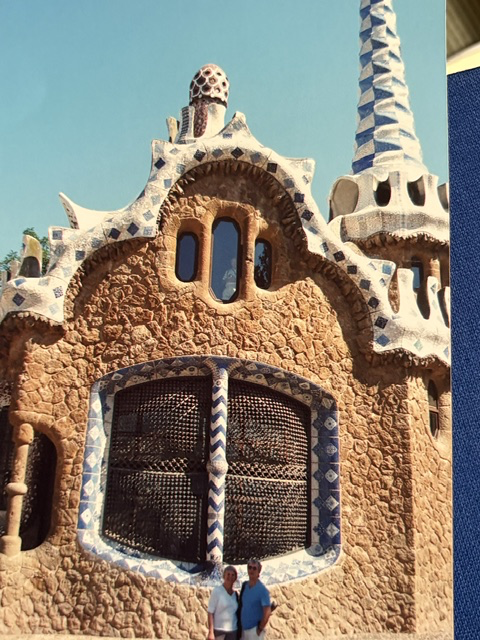
Standing in front of this building was like stepping into another world. The flowing curves, textured stonework, colorful mosaics and dreamlike architecture reveal that this is the work of the visionary architect Antoni Gaudi. Visiting Park Guell is where the line between architecture, sculpture and fantasy blur. Located in the hills overlooking the city of Barcelona, Park Guell was envisioned in […]

