Phillips Exeter Academy
Founded in 1781 by John and Elizabeth Phillips, Phillips Exeter Academy emerged during the American Revolution, when the future of the country remained uncertain. Their gift established a school intended to unite intellectual development with moral responsibility. The relationship between goodness and knowledge became an enduring principle of the institution.
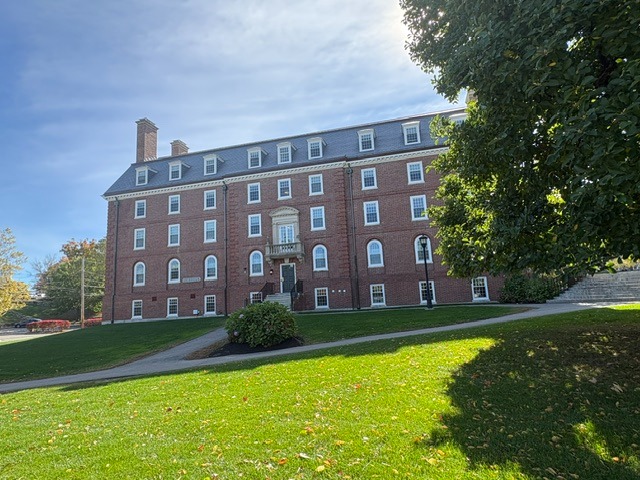
The academy formally opened in 1783. Over subsequent generations, its campus developed within the town, making education a significant part of Exeter’s identity. Its classrooms and residences brought students and teachers into a community already shaped by commerce, manufacturing and public service.
A major change came in 1930, when philanthropist Edward Harkness challenged Principal Lewis Perry to develop a different approach to secondary education. His gift supported smaller classes and a format in which students learned through discussion with one another and their teacher. The approach became known as Harkness teaching.
The table at the center of a Harkness classroom gave physical form to that idea. Learning required preparation, careful listening and active participation. Students were expected to explain their reasoning, consider other interpretations and contribute to a shared understanding. The teacher guided the conversation while students assumed greater responsibility for its progress.
The academy also changed through the people admitted to its classrooms. In September 1970, the arrival of girls marked the beginning of coeducation. Their participation reshaped an institution that had educated boys for nearly two centuries, opening another chapter in its academic and residential life.
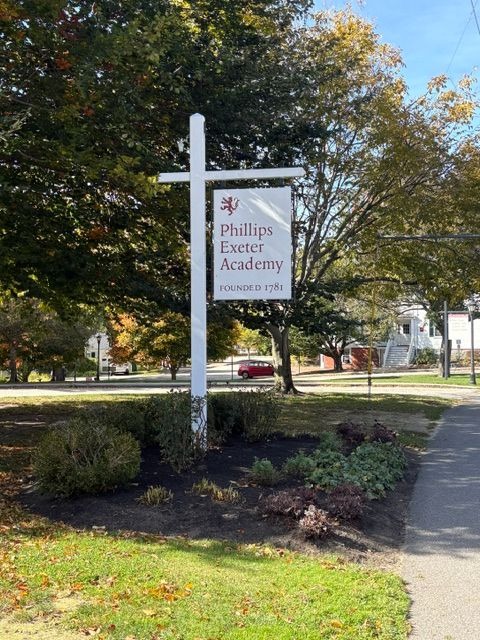
Phillips Exeter’s history combines continuity with deliberate change. Its founding ideals provided a lasting framework, while new teaching methods and broader access altered how those ideals were practiced. The campus preserves the setting of an educational experiment whose influence extends beyond Exeter.
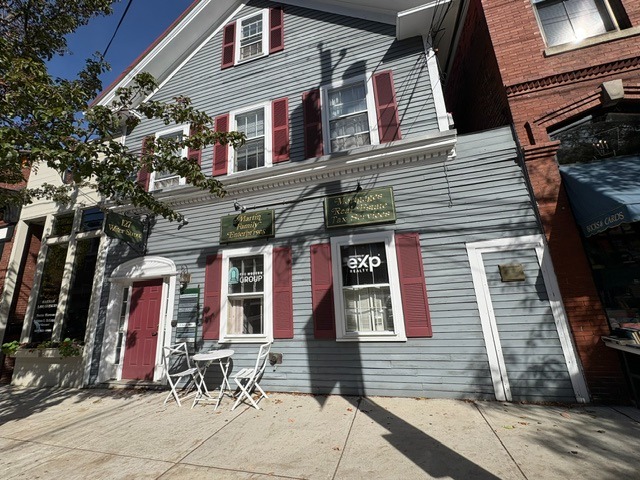
Read More From Nancy
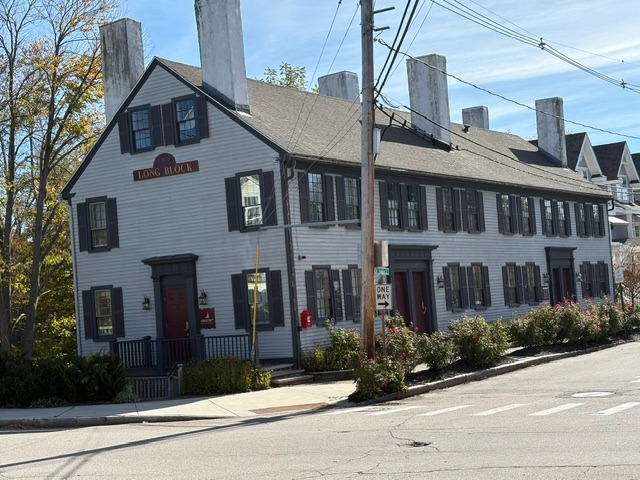
The Long Block: Housing Exeter’s Mill Workers
At the corner of Franklin and Water streets, the Long Block preserves a residential side of Exeter’s industrial history. Its extended wooden façade, repeated entrances and substantial chimneys distinguish it from a single-family house. Built around 1826 as a four-unit tenement, it provided homes for workers employed in nearby mills. The building occupies the site […]
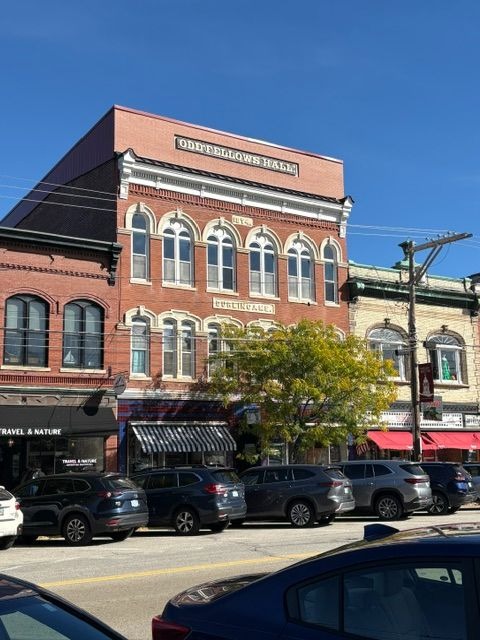
Odd Fellows Hall and the Burlingame Block
Two names on this Water Street building reveal different chapters of its history. “Burlingame” identifies the commercial block, while “Odd Fellows Hall” recalls its association with a fraternal organization. Built around 1874, the three-story brick structure combined downtown business space with rooms above, bringing commercial and community activities together under one roof. The building’s elaborate […]
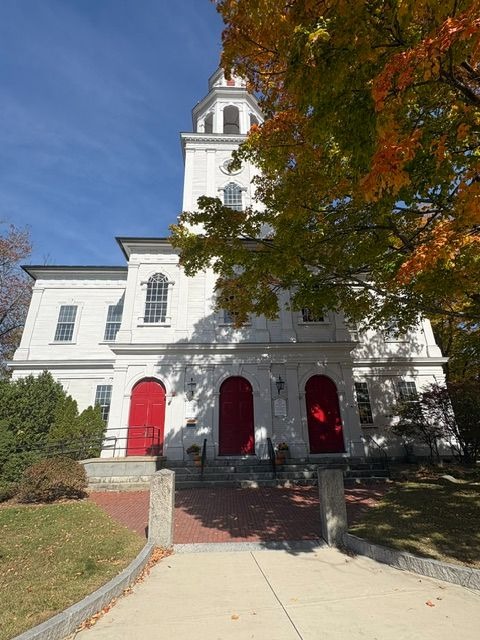
The Congregational Church
The Congregational Church on Front Street traces its beginnings to Exeter’s founding in 1638. Reverend John Wheelwright and his followers established both the congregation and the settlement after his expulsion from Massachusetts Bay Colony. Religious disagreement was therefore part of the community’s history from its beginning. The present meetinghouse dates to the late 1790s and […]

