The Ioka Theatre and Mayer Building
The Mayer Building on Water Street preserves the setting of a new form of entertainment that arrived in Exeter during the early twentieth century. Built in 1915 for the Ioka Theatre, it brought a purpose-built moving-picture venue to the commercial heart of town. The building’s name and surviving IOKA lettering recall that original role.
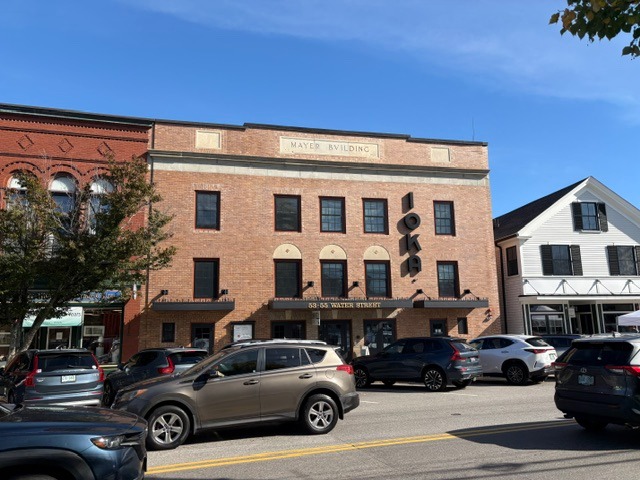
Judge Edward Mayer announced the project in January 1915, promising a theater equipped for motion pictures. Its construction placed Exeter within the expanding world of cinema, when audiences increasingly gathered to watch stories unfold on a screen. The theater opened that November.
Its early programming also reveals a troubling chapter in American popular culture. The Ioka screened The Birth of a Nation, a film that glorified the Ku Klux Klan and promoted racist portrayals of African Americans. According to the Exeter Historical Society, the local engagement was advertised by two riders wearing Klan costumes. While the NAACP protested the film in major cities, the local newspaper account recorded no comparable objections in Exeter.
The venture soon encountered financial difficulties. By March 1916, the theater was bankrupt, and Mayer had left town to avoid creditors. Despite that unstable beginning, the Ioka continued beyond its founder’s involvement and became an enduring downtown landmark.
The building’s tan brick and restrained Colonial Revival ornament distinguish it from Water Street’s more elaborate Victorian blocks. Its history adds another dimension to Exeter’s downtown: the rise of commercial entertainment and the ability of motion pictures to bring people together.
Read More From Nancy
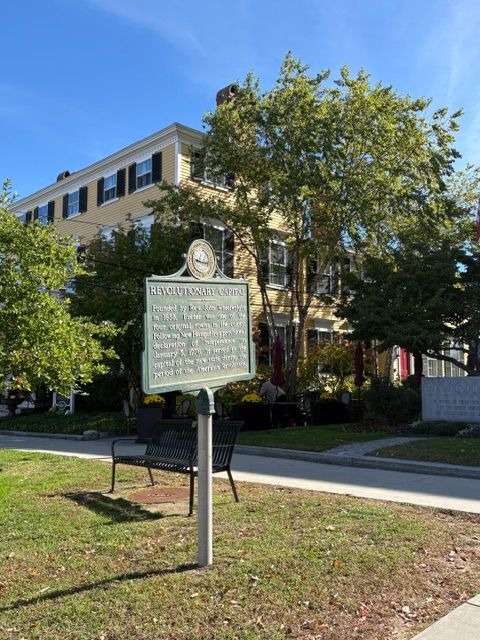
New Hampshire’s Revolutionary Capital
The “Revolutionary Capital” marker in downtown Exeter recalls a time when the town became the center of New Hampshire’s emerging government. As royal authority weakened, representatives gathered here to organize resistance, direct military support and establish a government that could function without a British governor. Exeter’s political importance grew in July 1774, when delegates met […]
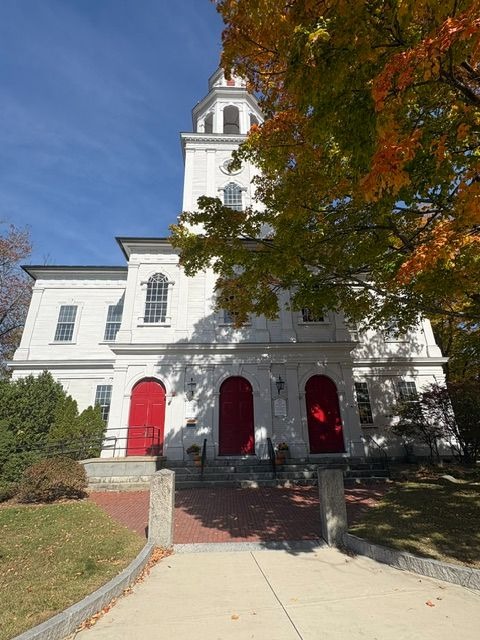
The Congregational Church
The Congregational Church on Front Street traces its beginnings to Exeter’s founding in 1638. Reverend John Wheelwright and his followers established both the congregation and the settlement after his expulsion from Massachusetts Bay Colony. Religious disagreement was therefore part of the community’s history from its beginning. The present meetinghouse dates to the late 1790s and […]
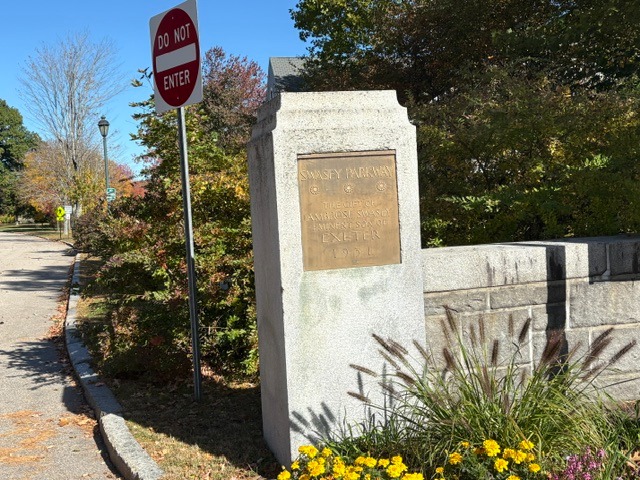
Swasey Parkway
Along the Squamscott River, Swasey Parkway preserves a landscape transformed through one resident’s generosity. Dedicated in November 1931, the parkway was a gift from inventor and industrialist Ambrose Swasey, who wanted to improve Exeter’s waterfront and create a welcoming public space near the town center. This shoreline had once been a working part of Exeter’s […]

