Odd Fellows Hall and the Burlingame Block
Two names on this Water Street building reveal different chapters of its history. “Burlingame” identifies the commercial block, while “Odd Fellows Hall” recalls its association with a fraternal organization. Built around 1874, the three-story brick structure combined downtown business space with rooms above, bringing commercial and community activities together under one roof.
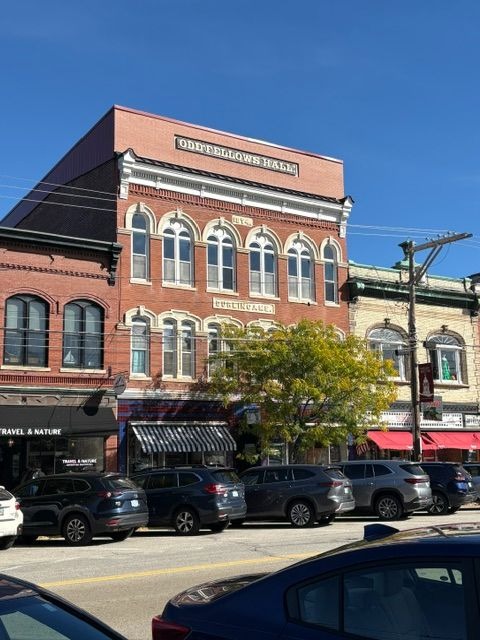
The building’s elaborate façade reflects the High Victorian Italianate style. Pale window surrounds contrast with the red brick, while paired arched windows and a projecting cornice give the upper stories a distinctive appearance. Its architectural quality earned it recognition among the outstanding buildings in Exeter’s Waterfront Commercial Historic District.
The Independent Order of Odd Fellows established its American organization in Baltimore in 1819. Guided by the principles of friendship, love and truth, the order developed a network of local lodges devoted to fellowship and charitable assistance. Helping the sick, supporting people in need and caring for orphans were central responsibilities. The hall’s prominent lettering preserves the memory of this tradition of organized mutual support.
The Burlingame Block also played a role in Exeter’s early telephone service. Around 1882, a telephone company began operating in its basement, with Maggie A. Noonan serving as operator. On March 26, 1883, the company recorded 65 incoming and outgoing calls—the largest daily total it had handled up to that time. That modest milestone captures a period when communication by telephone was still a new experience for the town.
The building brings several strands of Exeter’s history together: Victorian commercial architecture, fraternal fellowship and the arrival of modern communications. Its surviving names make those connections visible along Water Street, preserving reminders of the people and organizations that occupied downtown beyond its storefronts.
Read More From Nancy
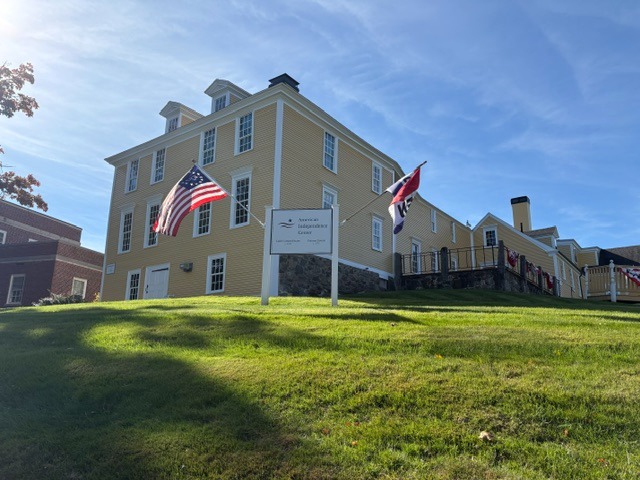
American Independence Museum
In 1985, a rare document rediscovered in the attic of Exeter’s Ladd-Gilman House brought renewed attention to the town’s connection with American independence. It was a Dunlap broadside, one of the first printed copies of the Declaration of Independence. The discovery helped inspire the creation of the American Independence Museum, which opened to the public […]
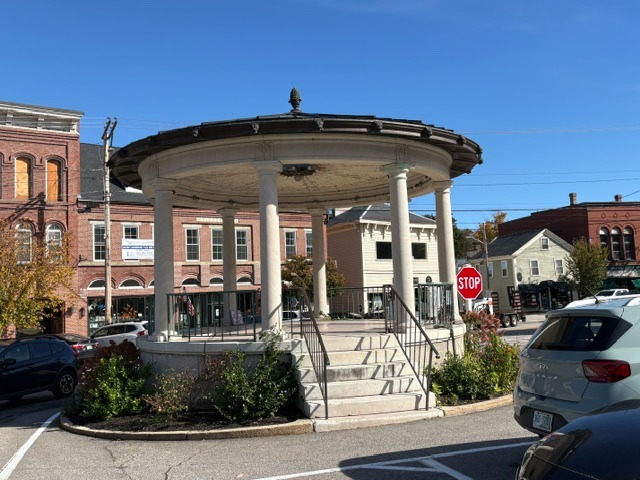
Swasey Pavilion: Exeter’s Bandstand
At the meeting of Front and Water Streets, Swasey Pavilion gives Exeter’s downtown a distinctive gathering place. Commonly called the bandstand, the circular structure was built in the summer of 1916 as a gift from industrialist Ambrose Swasey. Its architect was Henry Bacon, best known for designing the Lincoln Memorial in Washington, D.C. Bacon brought […]
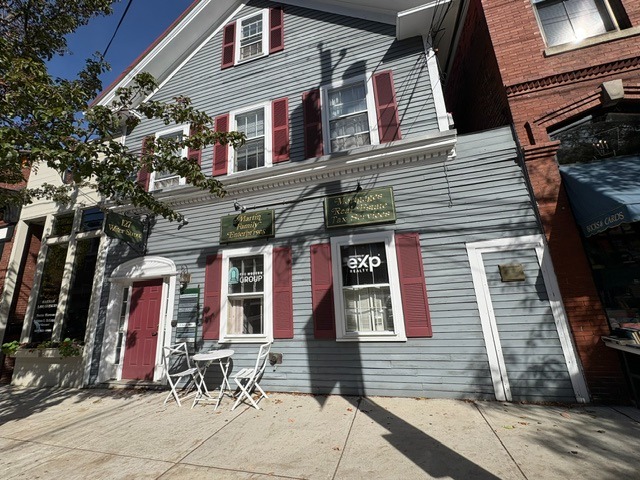
The Cutler and Harris Building
At 127 Water Street, a plaque identifies a building associated with generations of Black business ownership in Exeter. Its history connects the Cutler and Harris families with the shops, restaurants and services that sustained downtown commerce during the nineteenth century. Rufus Cutler, the son of Revolutionary War veteran Tobias Cutler, established businesses on Water Street […]

