Les Invalides
The gilded dome of Les Invalides rises above a complex founded to care for soldiers. In 1670, Louis XIV established the Hôtel Royal des Invalides as a home for veterans whose injuries, illness, or age had left them in need of support. Its monumental architecture gave a prominent place in the capital to men who had served the monarchy.
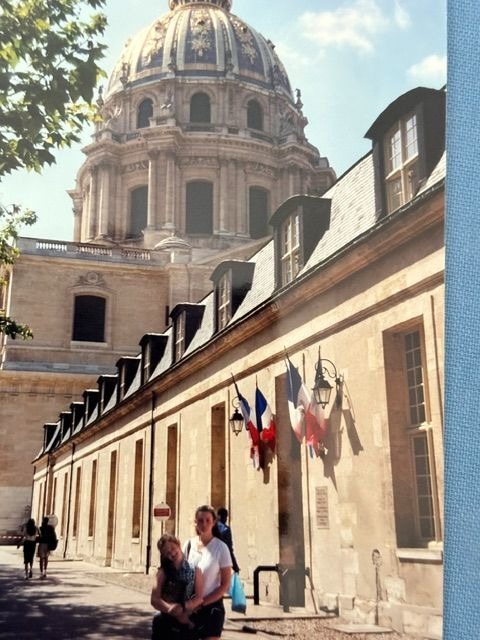
The complex included accommodation, medical care, and places of worship. Architect Jules Hardouin-Mansart succeeded Libéral Bruant in overseeing its construction, and Louis XIV inaugurated the royal Dome Church in 1706. The dome became the most recognizable feature of a site that combined practical care with royal ceremony.
Les Invalides also played a part in the French Revolution. On July 14, 1789, crowds seized weapons from the complex before proceeding to the Bastille. A royal institution built for soldiers thus supplied arms during the uprising that challenged royal authority.
Its commemorative role grew during the nineteenth century. In 1840, King Louis-Philippe arranged for Napoleon’s remains to be brought from Saint Helena to Paris. They were received at Les Invalides and, in 1861, placed in the monumental tomb designed by Louis Visconti beneath the dome.
Military collections added another purpose to the site. The Musée de l’Armée was established in 1905, making Les Invalides a major center for preserving and interpreting France’s military past.
The complex brings together several forms of remembrance: care for those who served, the burial of military leaders, and the preservation of objects associated with war. Its history connects the soldiers of Louis XIV with later generations who reshaped France.
Read More


Read More From Nancy
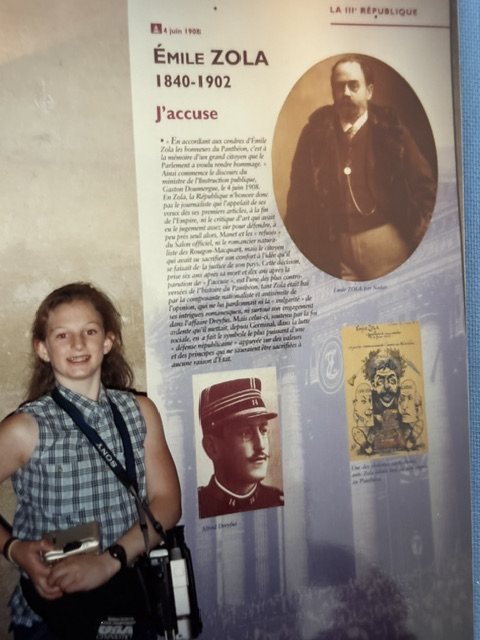
Émile Zola and the Dreyfus Affair
Émile Zola is remembered as one of France’s greatest novelists, but his place in the Panthéon reflects more than his literary achievements. He is also honored for taking a public stand against injustice during the Dreyfus Affair, one of the most divisive political and judicial scandals in modern French history. Alfred Dreyfus was a Jewish […]
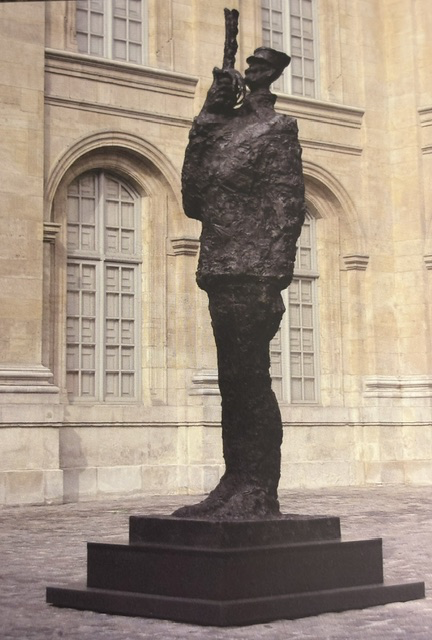
Hommage au Capitaine Dreyfus
This bronze monument honors Alred Dreyfus, whose wrongful conviction became one of the significant political controversies in modern French history. Captain Alfred Dreyfus, a Jewish officer in the French Army, was falsely accused in 1894 of passing military secrets to Germany. Based on forged documents and influenced by widespread antisemitism, he was convicted of treason, publicly stripped of […]

A Royal Sanctuary for Sacred Relics
Within the medieval royal palace on the Île de la Cité, Sainte-Chapelle served a purpose that was both religious and royal. Louis IX commissioned it to house objects venerated as relics of Christ’s Passion, creating a sanctuary that placed these treasures at the heart of the French monarchy. In 1239, Louis acquired the Crown of […]

