Sailboats of the Tuileries
At the edge of a basin in the Tuileries Garden, children launch small wooden sailboats and watch the wind carry them across the water. A long stick helps push a boat away from the stone rim or send it off again when it returns. This simple activity has been part of the garden’s life for more than 150 years.
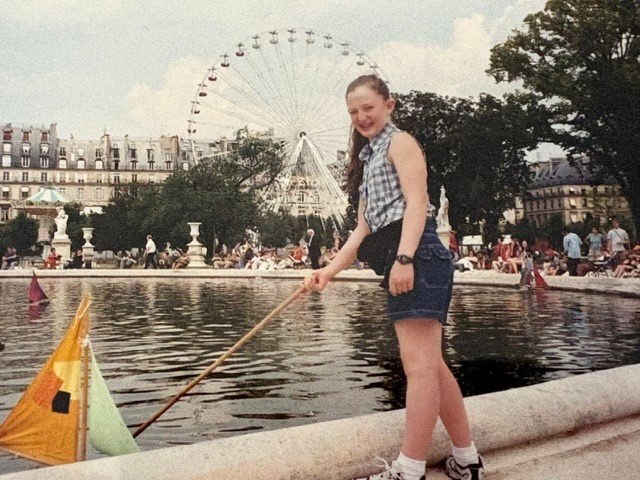
The boats belong to a tradition that brings play into one of Paris’s historic landscapes. Among formal paths, sculpture, and carefully arranged plantings, the basin offers children a place to participate in the garden rather than simply walk through it.
There is no motor or remote control. Once a boat leaves the edge, its movement depends on the breeze. Its young navigator follows from the shore, watching the sail, anticipating its direction, and waiting for an opportunity to reach it again.
The activity combines movement with observation. A gentle push can begin a long crossing or a short journey back to the same bank. Other boats become part of the challenge, their colorful sails moving across a shared expanse of water.
The Louvre, which manages the Tuileries Garden, continues to include the little sailboats among its family activities. Their presence connects the garden’s public role with a form of recreation that successive generations can recognize.
The sailboats preserve a modest but enduring part of Parisian history. Alongside the city’s celebrated buildings and collections, they recall the importance of ordinary pleasures: time outdoors, an unexpected breeze, and the satisfaction of setting something in motion.
Read More
Read More From Nancy
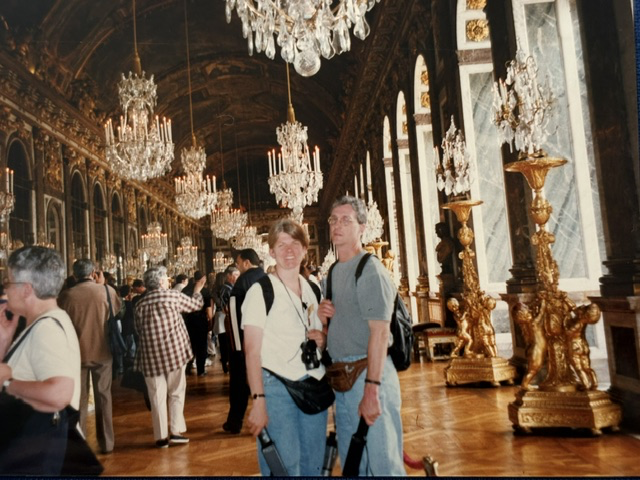
Hall of Mirrors
There are certain places that almost define a first trip to France, and the Hall of Mirrors at the Palace of Versailles is certainly one of them. Walking into this magnificent gallery for the first time feels almost surreal. The scale, chandeliers, mirrors, gold detailing and endless reflections create an atmosphere that photographs cannot fully capture. Built […]

A Royal Sanctuary for Sacred Relics
Within the medieval royal palace on the Île de la Cité, Sainte-Chapelle served a purpose that was both religious and royal. Louis IX commissioned it to house objects venerated as relics of Christ’s Passion, creating a sanctuary that placed these treasures at the heart of the French monarchy. In 1239, Louis acquired the Crown of […]
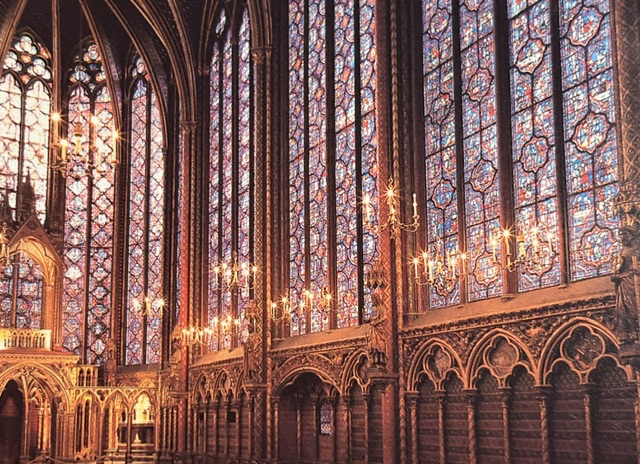
Sainte-Chapelle: Walls of Light
The upper chapel, reserved for the royal family and court, represents one of the greatest achievements of Gothic architecture. Advances in engineering allowed the walls to be reduced to slender stone supports, making room for fifteen magnificent stained-glass windows that rise nearly fifty feet. Together they contain more than a thousand biblical scenes, telling the […]

