Chestnut Hall and the Ross Memorial Museum
Built in 1824, Chestnut Hall has served as a private residence, a center for regional crafts, and a museum. The red-brick house on Montague Street was constructed for Harris Hatch, an attorney and prominent Charlotte County resident. Its symmetrical windows, dark shutters, and central entrance reflect its classical design. A patterned fanlight and sidelights surround the front door, while an elegant spiral staircase is among the building’s distinctive interior features.
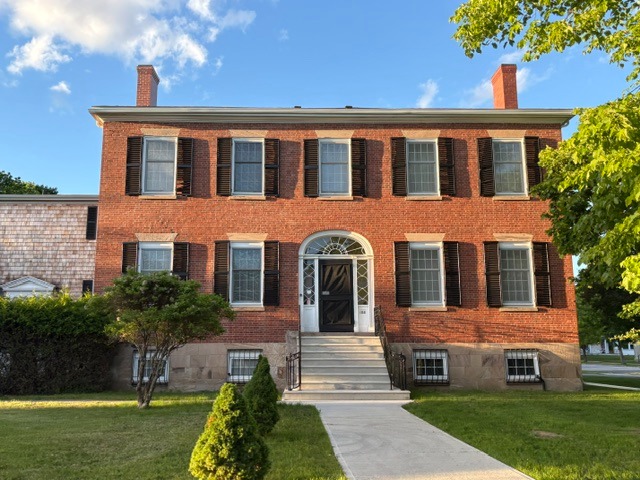
In 1920, Grace Helen Mowatt brought a new purpose to the house when she opened her Cottage Craft retail store here. She had founded Charlotte County Cottage Craft in 1915 to help women earn income through traditional skills. Working from their homes, women produced woven textiles, knitted goods, hooked rugs, dolls, and embroidery. Their work was sold at Chestnut Hall, linking household craftsmanship with an organized regional business.
The house’s later history is closely connected with Henry Phipps Ross and Sarah Juliette Ross, an American couple who first visited the area in 1902. While staying with friends in nearby Maine, they traveled to Chamcook Mountain for a picnic and discovered an estate for sale. They purchased it, named it Rossmont, and developed a lasting attachment to the region. Although they traveled widely, they continued to regard Rossmont as their home.
Both were enthusiastic collectors. Henry took a particular interest in furniture, while Juliette favored smaller decorative objects. Together they assembled early New Brunswick and American furniture, carpets, paintings, and objects acquired during their travels. Their appreciation of regional cabinetmakers helped preserve examples of craftsmanship that were not yet widely valued. The collection also includes paintings by artists they knew, as well as work by Henry himself.
In 1938, the Rosses purchased Chestnut Hall to provide a home for their collection. When they died within days of one another in 1945, they bequeathed the house and its contents to St. Andrews for a museum. They also provided funds and plans for a public library, extending their gift beyond the preservation of art and furniture.
Today, the Ross Memorial Museum displays their possessions in a domestic setting. The furniture, paintings, carpets, and decorative pieces were objects the couple had used and enjoyed, giving the rooms a personal quality. Within Chestnut Hall, the stories of an early town household, women’s craft traditions, and two dedicated collectors come together in a building preserved for the community.
Read More From Nancy
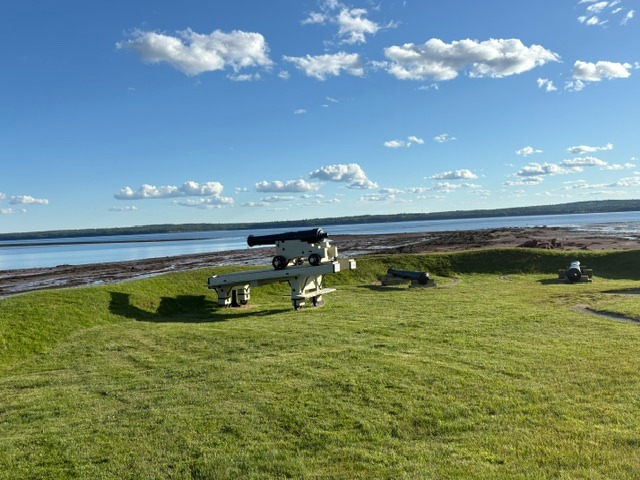
The Shoreline Battery
On the waterfront at St. Andrews, a cannon mounted on a wooden carriage faces the waters of Passamaquoddy Bay. Its position recalls the shoreline battery established during the War of 1812, when residents feared that armed vessels might approach the harbour. Here, the water that supported the town’s commerce also offered a route by which […]
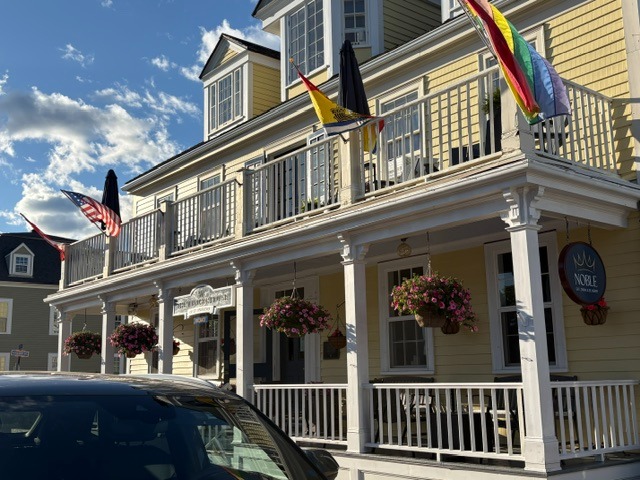
Windsor House
At 132 Water Street in St. Andrews, Windsor House preserves the story of a Loyalist family home that later became a place of hospitality. Built in 1797 for Captain David Mowat and his wife, Mehitable Calef, the wooden house dates from the town’s early development. Its balanced façade, central entrance and side-gabled roof reflect the […]
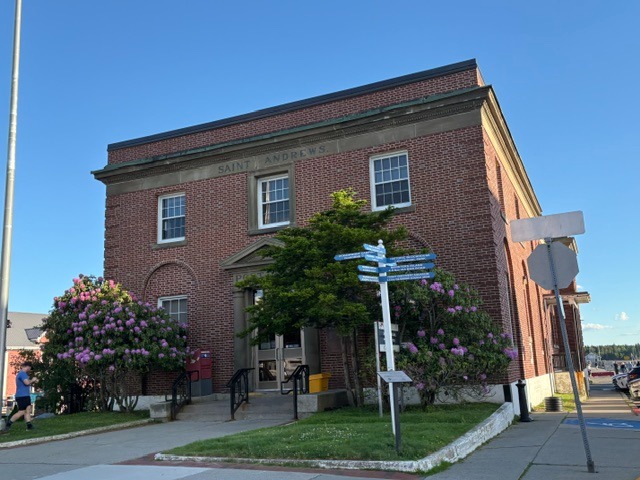
The Post Office and Customs Building
Overlooking Market Square near the waterfront, the St. Andrews Federal Building was constructed in 1936 to accommodate the town’s post office and customs services. Bringing these functions together placed two important connections with the wider world under one roof: the movement of correspondence and the regulation of goods entering the country. Its prominent location made […]

