Alma
Located where the Upper Salmon River meets the Bay of Fundy, Alma is a small coastal community shaped by forests, fishing, and the sea. Originally known as Salmon River Settlement, it grew during the nineteenth century around lumbering, sawmills, and wooden shipbuilding. Its river provided a route for logs from the surrounding forests, while its waterfront offered access to shipping markets beyond New Brunswick.
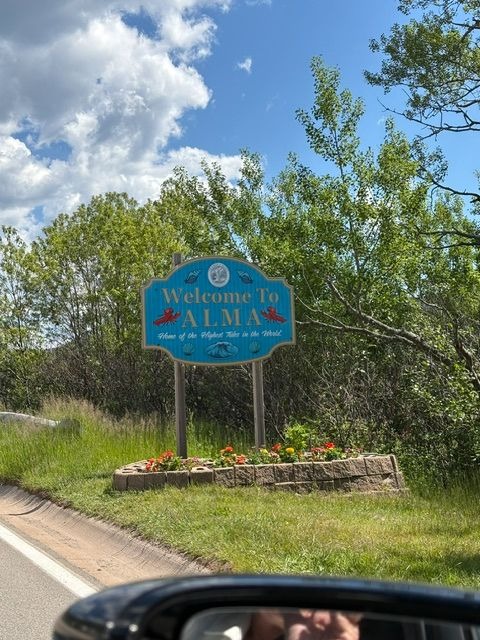
These industries supported one another. Timber supplied the local mills and shipyards, and vessels carried lumber to markets in Britain, the Caribbean, and New England. Farming helped sustain households, while fishing provided both food and trade. The community adopted the name Alma in 1856, when the surrounding parish was established and named in recognition of the Battle of Alma during the Crimean War.
Although the lumbering and wooden shipbuilding industries eventually declined, fishing remained central to Alma’s identity. Lobster and scallop fisheries continue that maritime tradition. The harbour operates according to the tides: boats can enter or depart only when the water is sufficiently high, and at low tide the exposed harbour floor dramatically changes the waterfront’s appearance.
Alma’s location beside Fundy National Park also made it a gateway for visitors exploring the region. Tourism joined fishing as an important source of employment, supporting restaurants, accommodations, and local shops. The community’s appeal rests partly in this combination of a working harbour and a place that welcomes travelers. Its waterfront remains connected to the livelihoods that shaped Alma, even as visitors arrive to experience its coastal setting.
Read More From Nancy
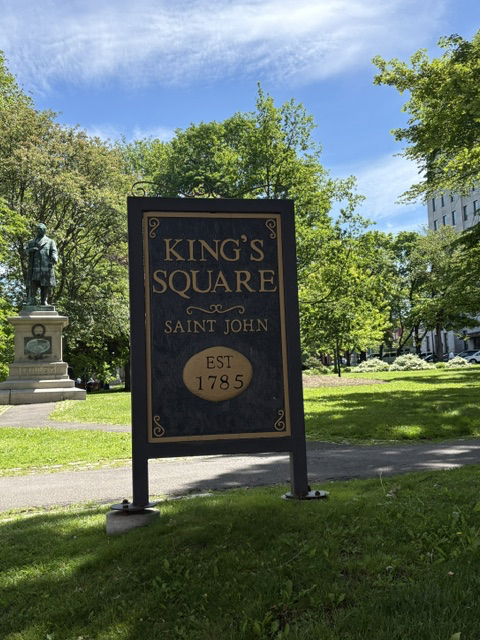
King’s Square
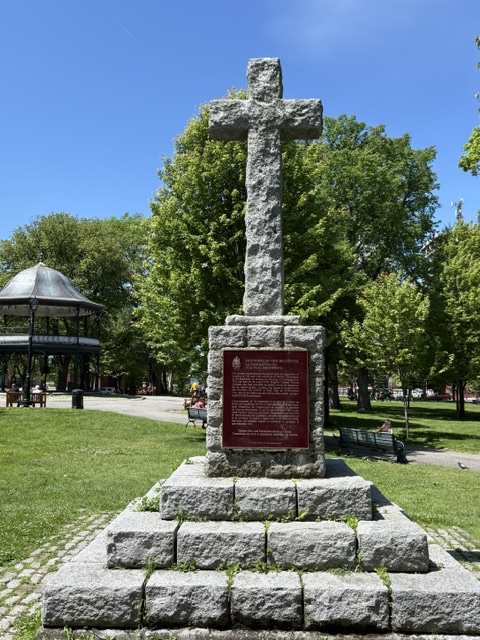
At the center of Uptown Saint John is King’s Square, a public space that has served the city since its earliest years. Named for King George III, the land was granted to Saint John through the royal charter that incorporated the city in 1785. Its history therefore began alongside that of Saint John itself, which […]
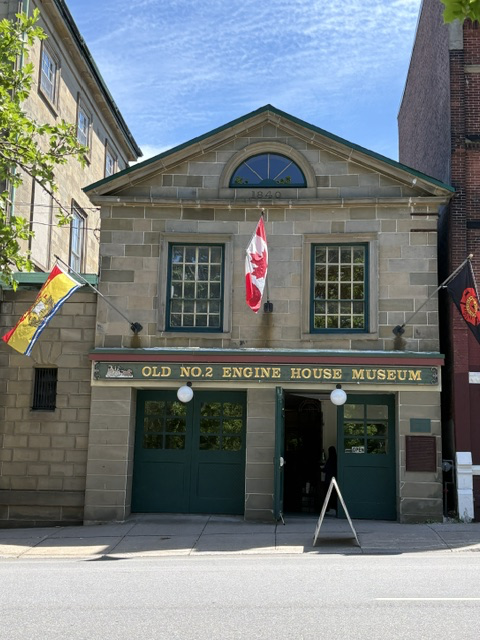
Engine House Museum
Before fire engines had motors, alarms were transmitted electronically, or firefighters were employed by the city, Saint John relied upon volunteer companies to respond when flames threatened the community. One of those companies operated from the No. 2 Engine House at 24 Sydney Street, where volunteers once pulled a hand-operated fire engine through the wide […]
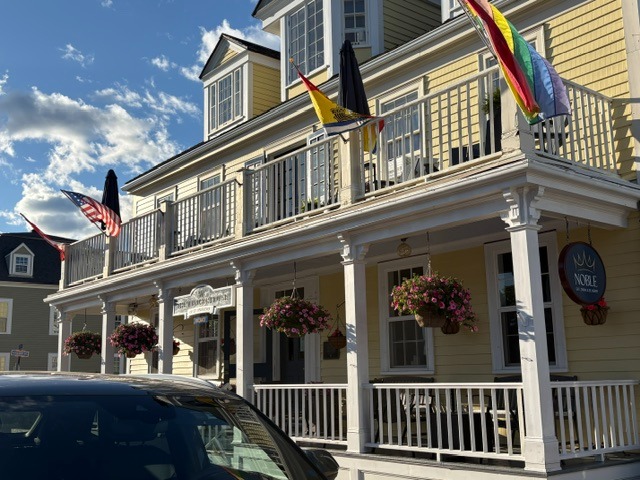
Windsor House
At 132 Water Street in St. Andrews, Windsor House preserves the story of a Loyalist family home that later became a place of hospitality. Built in 1797 for Captain David Mowat and his wife, Mehitable Calef, the wooden house dates from the town’s early development. Its balanced façade, central entrance and side-gabled roof reflect the […]

