Historic Properties
Along Halifax’s harbour, a closely grouped collection of stone and wooden buildings preserves the character of the city’s nineteenth-century working waterfront. Known as Historic Properties, these former warehouses and commercial premises stood where merchants conducted business and stored goods moving through the port. In 1963, the Halifax Waterfront Buildings were designated a National Historic Site, recognizing the importance of this surviving complex of maritime commercial buildings from before Confederation.
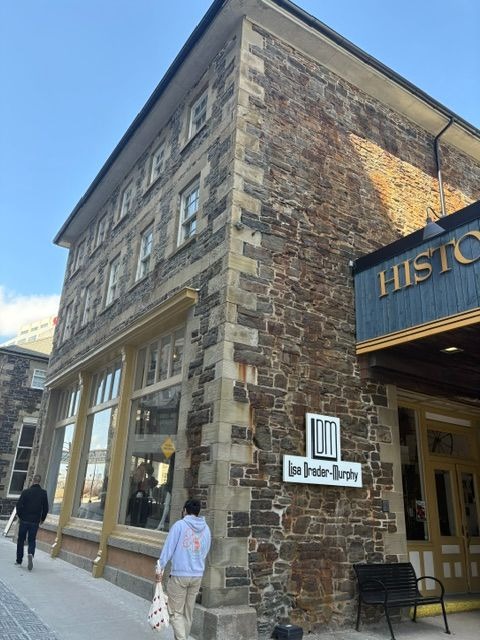
Their architecture reflects the practical demands of waterfront trade. Heavy timber framing and substantial masonry supported buildings intended for storage and repeated handling of cargo. Pale sandstone defines the corners and openings of darker stone walls. Large loading doors align vertically beneath projecting roof structures that sheltered hoisting equipment, allowing goods to be raised to upper floors. These features explain how the buildings worked when the surrounding wharves were places of loading, delivery and exchange.
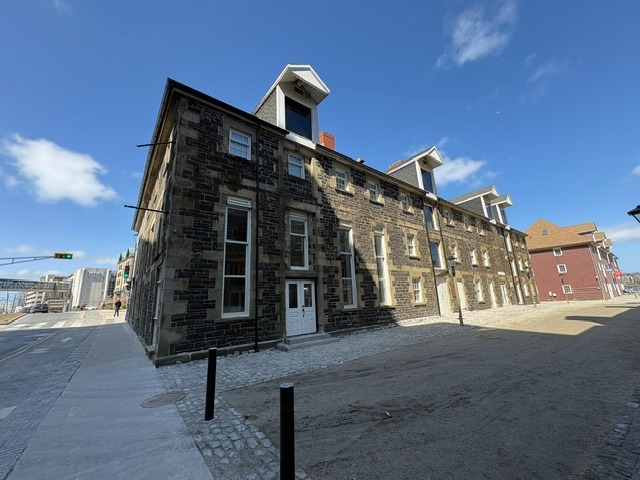
Several properties were associated with Enos Collins, a merchant, shipowner and banker whose business interests helped shape Halifax’s commercial life. The Pickford & Black Building subsequently took its name from a firm closely connected with shipping. Together with neighbouring warehouses and offices, it belonged to a waterfront where maritime commerce required storage space, financial services and businesses that supplied ships.
By the mid-twentieth century, redevelopment threatened the survival of these buildings. Their national recognition did not end the debate over their future, and public opposition to demolition helped secure their preservation. Between 1973 and 1975, the warehouses were restored and adapted for new uses. The project retained a substantial part of Halifax’s waterfront history while opening former commercial spaces to public access. The surviving walls, loading openings and roof hoists still make the practical organization of the old port visible.
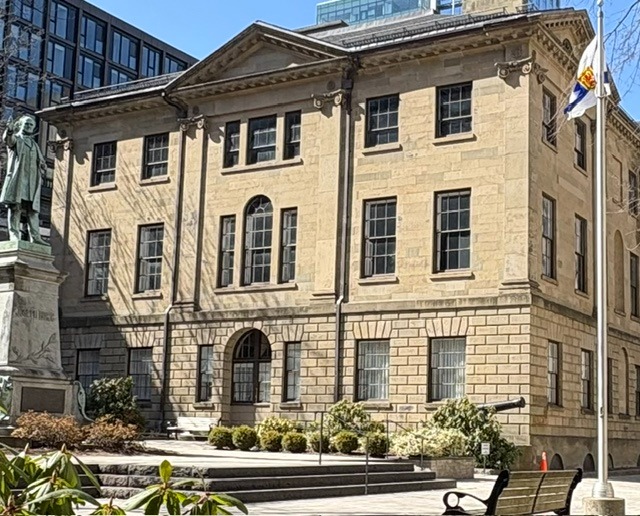
Read More From Nancy
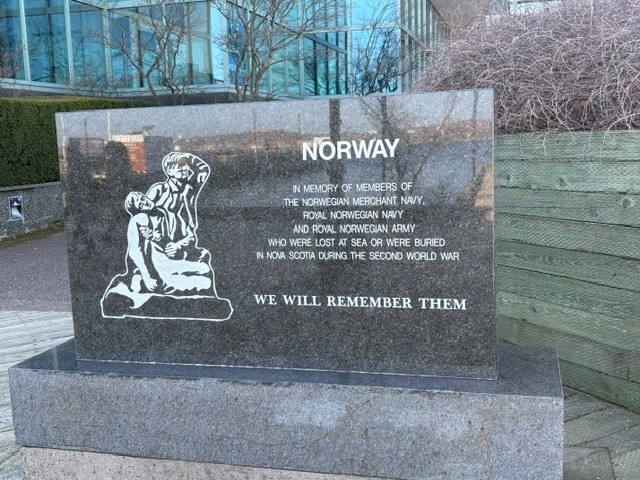
Norwegian Memorial
On Halifax’s waterfront, the Norwegian Memorial honours members of Norway’s Merchant Navy, Royal Navy and Royal Army who were lost at sea or buried in Nova Scotia during the Second World War. Unveiled on November 11, 1998, the monument commemorates a wartime connection between two countries separated by the Atlantic. Its stone, larvikite, was brought […]

The Sailors’ Memorial
At Sackville Landing on Halifax’s waterfront, a bronze sailor strides forward with a duffel bag in one hand and a rolled hammock balanced across his shoulder. Created by sculptor Peter Bustin, the figure represents a Canadian sailor of the Second World War era. His belongings give the monument an everyday character: a young man carrying […]
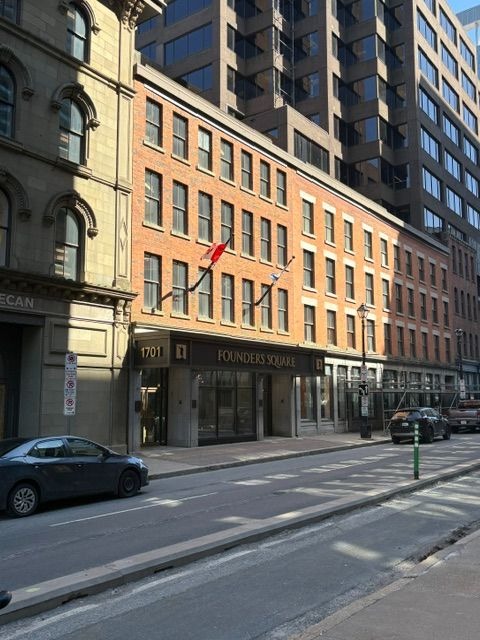
Founders Square
Along Hollis and Prince Streets in downtown Halifax, Founders Square preserves a row of nineteenth-century commercial façades within a development completed in 1986. The historic buildings associated with the complex date from 1816 to 1865, spanning decades when Halifax’s business district grew around the harbour and the provincial seat of government. Their surviving street fronts […]

