The Ballast Boxes
Along Halifax’s waterfront, stone-filled metal boxes topped with wooden seating recall an essential part of maritime trade. These ballast boxes turn a practical feature of the public landscape into a reminder of the weight that helped sailing ships travel safely across the ocean.
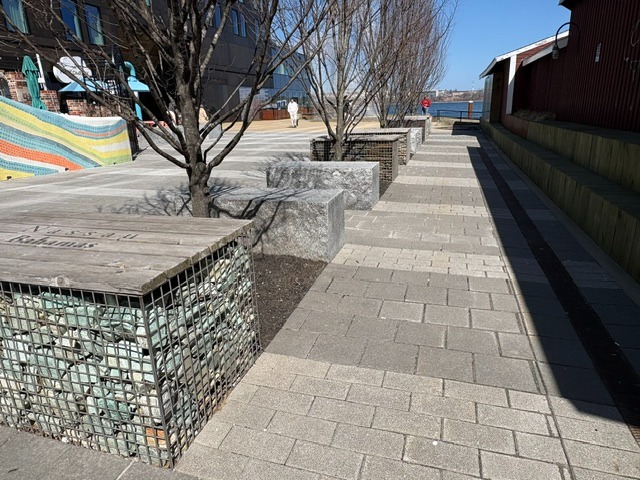
A ship needed stability even when its hold carried little or no cargo. Heavy material placed low in the vessel helped provide that stability. Before modern ballast systems, ships commonly carried stone, gravel or sand for this purpose. A voyage without a commercial load could still require considerable weight beneath the decks.
Ballast also created work in port. When a vessel arrived to collect cargo, some of its ballast might need to be removed to make room for the goods. After delivering a load, the ship could require ballast again before departing. Handling that material added labour and time to the loading and unloading that sustained maritime commerce.
At Queen’s Marque, the waterfront interpretation connects the ballast boxes with the movement of materials between distant ports. The installation invites attention to the ordinary stones that accompanied voyages, alongside the more familiar stories of ships, sailors and valuable cargo.
The boxes also serve a present-day purpose as places to sit beside the harbour. Their exposed stones keep the historical reference visible, bringing a usually hidden part of a ship’s operation into the public landscape. They give a modest but necessary element of seafaring its own place in Halifax’s waterfront story.


Read More From Nancy

The Halifax Town Clock
On the eastern slope of Citadel Hill, the Halifax Town Clock overlooks Brunswick Street and the downtown streets below. Its white tower, blue clock faces and copper dome form one of the city’s most recognizable landmarks. The clock began keeping time on October 20, 1803, providing a public reference for both the military garrison and […]
Halifax Court House
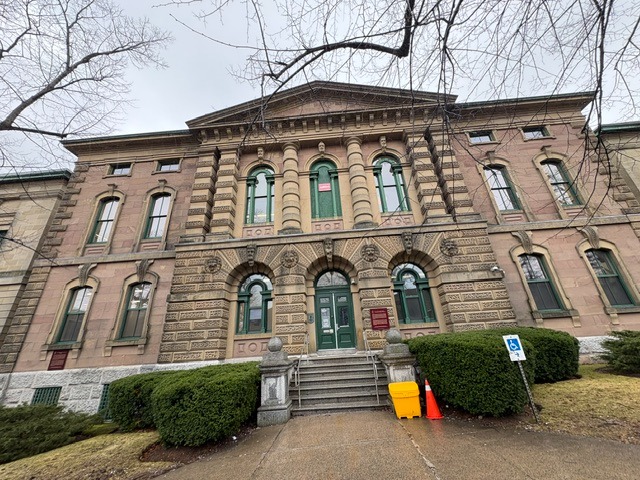
On Spring Garden Road in downtown Halifax, the Halifax Court House presents an imposing sandstone façade built to express the dignity and authority of the law. Designed by the Toronto architectural firm of William Thomas and Sons in 1858, the building housed county and provincial courts following its completion in 1863. Its importance to Canada’s […]

The Sirens’ Calling
At Queen’s Marque on Halifax’s waterfront, four sculpted figures stand on black granite bases, each oriented toward a different point of the compass. Created by Nova Scotia artist John Greer and installed in 2020, The Sirens’ Calling draws on ancient Greek sculpture and mythology to explore departure, return and the harbour’s role as a place […]

