Birth: The Beginning of Your Child’s Neurological Journey
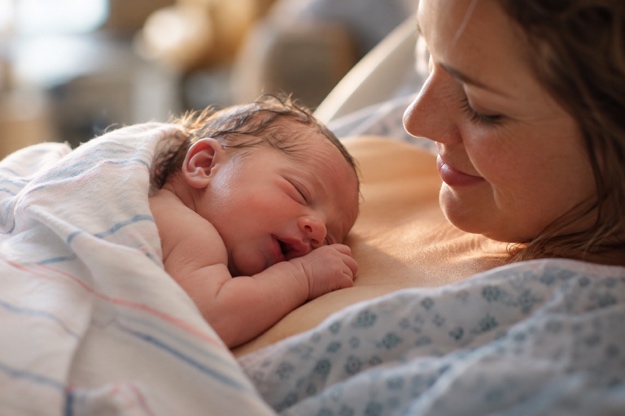
When I think about my pregnancies and the birth of my children, I remember their first cries, the first time I held each of them, and the realization that our lives had changed forever. But with each birth, something equally extraordinary was happening within their developing nervous systems.
I was in professional school during my first pregnancy, studying the body and nervous system. Becoming a mother gave that knowledge a personal meaning. What I had been learning was now unfolding in the child I held in my arms.
Birth is one of the most significant transitions in a child’s early neurological development. Throughout pregnancy, a baby is surrounded by fluid, supported by the walls of the uterus, and receives oxygen and nourishment through the placenta. Then, in a relatively short period, the conditions supporting that baby’s life change.
Every child must begin breathing independently, regulate their body temperature, coordinate sucking and swallowing, and respond to gravity. Light, sound, touch, and movement brings new patterns of sensory information for theirnervous systems to process.
Children’s neurological journeys begin during pregnancy. Birth opens a new chapter, as their nervous systems helped them adapt to life outside the womb. Understanding that transition helps us appreciate how much is happening beneath the surface of those first moments.
In those first moments after birth, your baby begins experiencing familiar things in new ways. Your voice, which they heard during pregnancy, now reaches them without the muffling of the womb. They feel the warmth of your skin, the support of your arms, and the movement of being lifted and held.
Their eyes respond to changes in light and begin focusing on nearby faces. Their bodies move against gravity without the surrounding support of fluid. Over time, these experiences help them develop the strength and coordination to support their heads, reach, roll, and move.
Even feeding involves remarkable coordination. A newborn must bring together sucking, swallowing, and breathing. Although these abilities begin developing before birth, using them to feed requires many parts of the nervous system to work together.
Through more than four decades of working with children and families, we have seen how much there is to learn from these early responses. How a baby moves, feeds, settles, and responds to touch offers insight into how they are adapting to their new environment.
As a parent, you begin learning your baby’s patterns through these everyday moments. Their movements, expressions, and cries become familiar. Understanding something about their development can help you recognize what they are communicating and respond to their needs with greater confidence.
Our hope, as we share our decades of experience and wisdom is to help you better understand what is happening at life’s touchstones and turning points.
Read More From Nancy
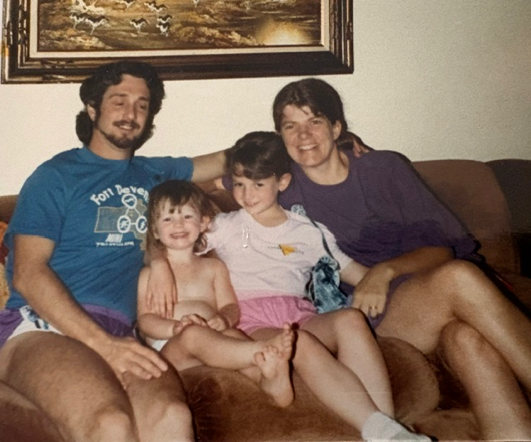
A Family Photo Captures the Moment
When we were raising our daughters, we took pictures with cameras that used film. We had to wait until the film was developed to see what we had captured. Sometimes someone’s eyes were closed, a smile was awkward, or one of the girls had looked away just as the shutter clicked. By the time we […]
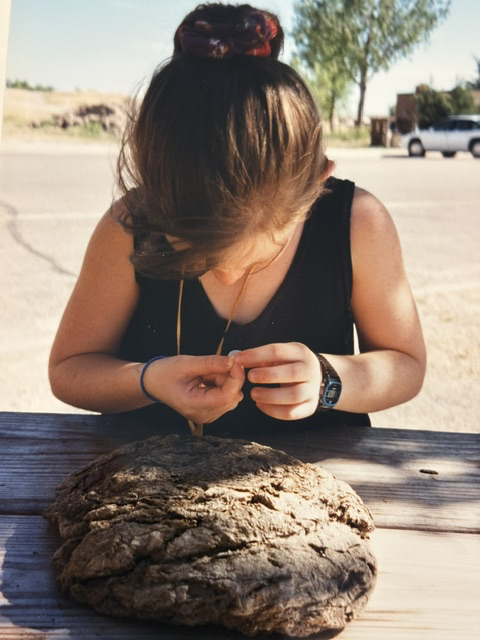
Hands-on Learning
We hear a great deal about hands-on learning, but what does it look like for a child? In our family, it took different forms. Our daughter, Emily, set up her easel and studied a landscape as she painted or drew it. She learned by looking closely: noticing where the light fell, how colors changed, and […]
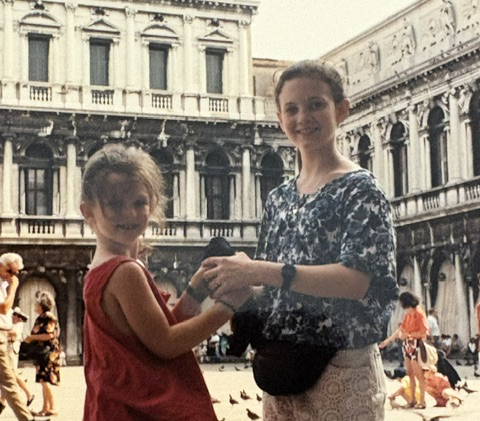
What We Chose to Give Them
The brain grows through stimulation. Whether that stimulation comes from chaos or from an organized and enriched environment, the developing brain responds and adapts to what surrounds it. We cannot control everything our children will encounter, nor can we determine exactly how they will interpret those experiences. But as parents, we do have some control […]

