Civil War Soldiers’ Monument
The tall stone monument on Bath’s High Street was raised while the Civil War was still close in memory. Erected between 1867 and 1869, it honored the men from Bath who had died in the conflict. An eagle crowns the shaft; below it, the city’s dedication asks those passing by to remember its sons.
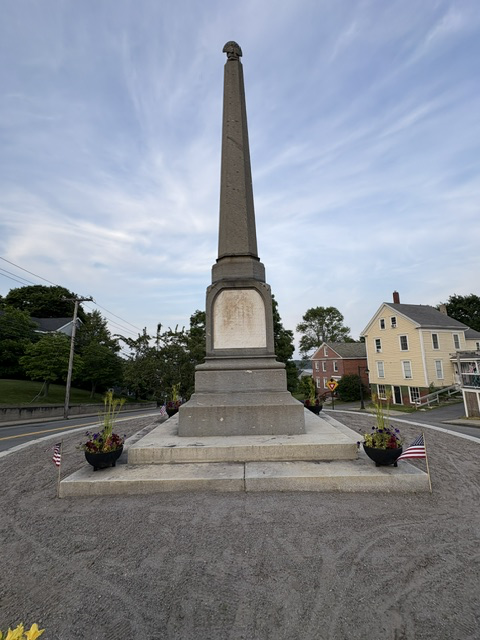
The monument brought a national tragedy into the heart of a local community. The war had been fought across distant battlefields, but its losses reached Bath’s homes and families. The city paid for the memorial and placed it where remembrance would be part of public life, rather than confined to a cemetery.
One inscription draws from Abraham Lincoln’s Gettysburg Address, linking Bath’s dead to the larger question of what the nation would become after the war. Yet the monument’s most direct appeal is local. It asks the people of Bath to hold in memory those who had left their city and did not return.
More than 150 years later, the monument still stands amid the ordinary movement of the city. That is part of its power. People may pass it on their way somewhere else, then pause and find that a chapter of the Civil War has been waiting there in plain sight.
Read More From Nancy
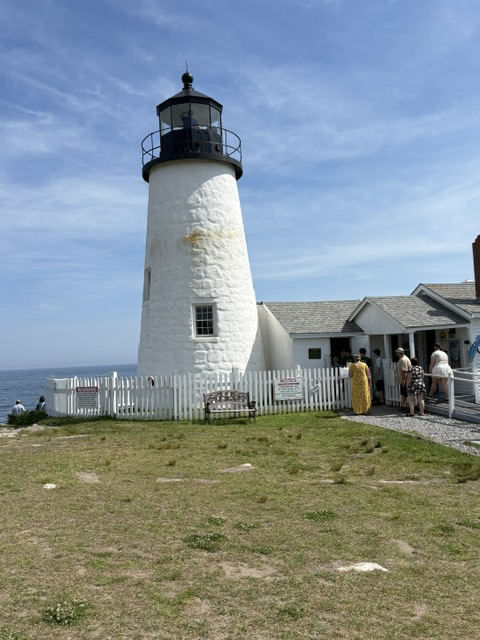
Pemaquid Point Lighthouse
One of the pleasures of traveling is discovering places you never expected to visit. Pemaquid Point Lighthouse was one of those discoveries. As we made our way home from the Canadian Maritime Provinces, we learned about this historic lighthouse on the coast of Maine and decided to make a short detour. It turned out to […]
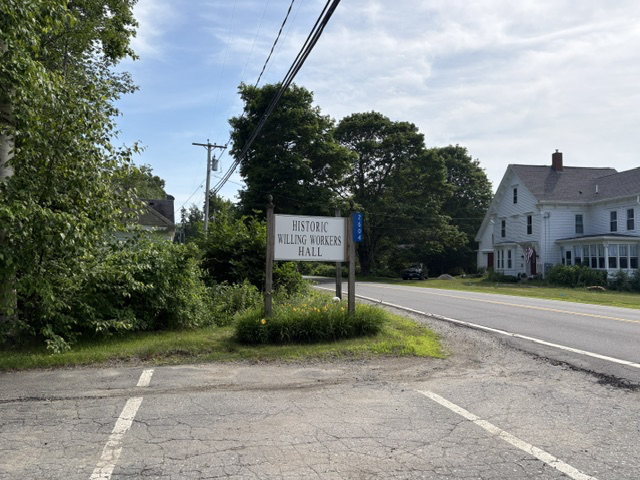
Willing Workers Hall
While Marty and I were driving through Maine, I saw a sign for the Historic Willing Workers Hall and asked him to pull over. The name caught my attention. Who were the Willing Workers? What kind of work had they done, and why did they have a hall of their own? Across the road stood […]
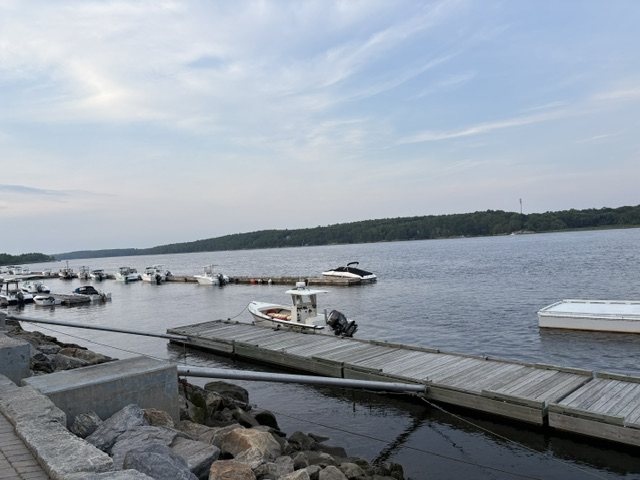
The River That Built Bath
The Kennebec looked quiet when we stopped along Bath’s waterfront. Small boats rested at the docks, and the wooded shore stretched across the water. It was easy to linger over the view. It took a little more imagination to see how much had once happened on this same stretch of river. In the nineteenth century, […]

