Rediscovering the William and Anne Nickerson Homestead
For centuries, records indicated that William and Anne Busby Nickerson had established their Chatham homestead near Ryder’s Cove around 1664. The general location was known, but the house itself had disappeared. No complete description survived, and little was understood about its size, construction or the daily lives of the people who occupied it.
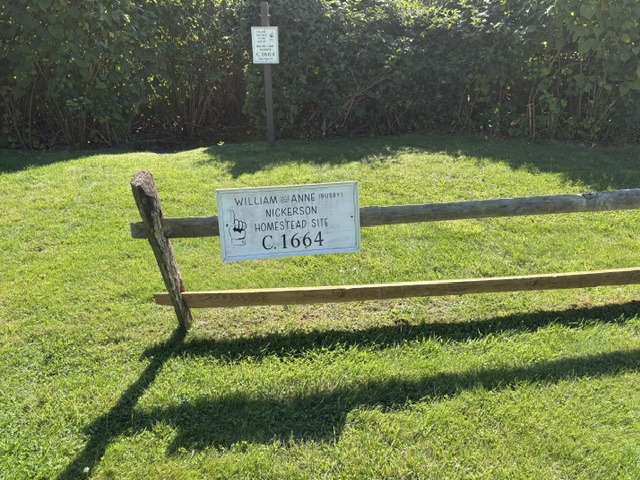
That began to change when the Nickerson Family Association sponsored an archaeological investigation on land adjoining its North Chatham property. Under the direction of archaeologist Craig Chartier of the Plymouth Archaeological Rediscovery Project, excavations initiated in 2016 located convincing evidence of the homestead in September 2017. The discovery of a large hearth, accompanied by 17th-century artifacts, confirmed that the remains of the Nickerson home had survived beneath the soil.
What emerged was much larger and more complex than expected. Because William and Anne were older and their children were largely grown by 1664, archaeologists initially imagined a relatively modest house. Instead, the building appeared to measure approximately 40 to 44 feet long and about 24 feet wide. It may have contained multiple hearths or chimneys, making it an unusually substantial home for its time and place.
The excavation uncovered evidence of several distinct parts of the household and working landscape. These included the house, hearths, a possible barn, workshop areas, a furnace, a Native stone-tool knapping area and a storage pit. Postholes suggested that a wooden palisade—possibly as high as eight feet—once enclosed part of the property. Archaeologists believe it may have been erected during the fear and instability surrounding King Philip’s War in the 1670s.
The soil also preserved evidence of an event never mentioned in the surviving written records. Melted window glass, burned beans and other fire-damaged materials suggest that part of the house suffered a serious fire. William and Anne apparently repaired or continued using the homestead, but no document records what happened. Archaeology recovered a moment that history had forgotten.
Thousands of objects helped reconstruct everyday life at the site. The discoveries included English, German and Native pottery fragments, gunflints, tobacco pipes, coins, buttons, utensils, animal bones, shells, window lead and household hardware. Among the more unusual finds were a bed warmer, part of a sharpening wheel, a silver cufflink, a bale seal associated with imported goods and part of a Jesuit trade ring. Even marks left by someone’s teeth on a clay pipe stem provided an unexpectedly personal connection to an individual who lived there more than three centuries ago.
Excavation of the surrounding yard revealed additional structures and activities. One small building contained evidence of an iron bloomery, suggesting that William may have experimented with producing iron from naturally occurring bog iron. Archaeologists considered this discovery unusual not only for Cape Cod but for the broader Northeast. Another structure may have served as a barn or agricultural building.
The William and Anne Nickerson homestead has been described as one of the best-preserved and most informative 17th-century archaeological sites discovered in New England, particularly on Cape Cod. Its relatively brief period of occupation allowed many artifacts to be associated directly with the years William and Anne lived there.
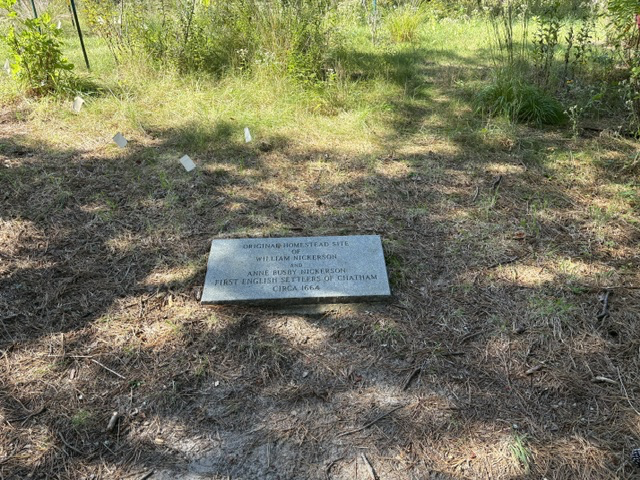
The house itself is gone, but its outline and objects remain beneath the landscape. Together, they demonstrate how archaeology can recover the ordinary details that written documents omit: where people cooked, how they worked, what they owned, what they discarded, how they protected themselves and even how they responded to a household fire. The rediscovered homestead transforms William and Anne Nickerson from names in a colonial deed into people whose daily lives can once again be traced upon the land.
Read More From Nancy
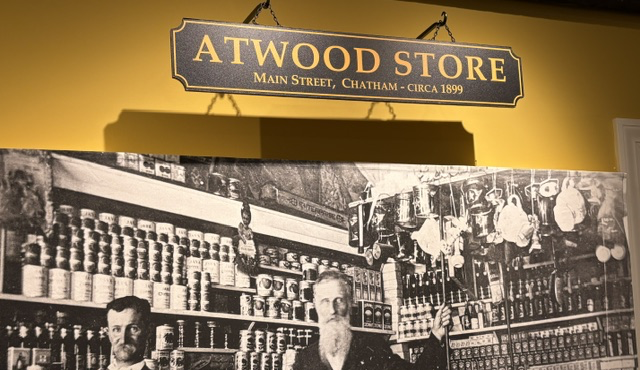
The Atwood Store
The Atwood Store was one of Chatham’s earliest markets. Levi Atwood opened the business in 1849 near the corner of Atwood Street, now Stage Harbor Road, and Cedar Street. It was later moved to Main Street, where it remained in operation until the Atwood family sold it in 1965. Like many 19th-century general stores, the […]
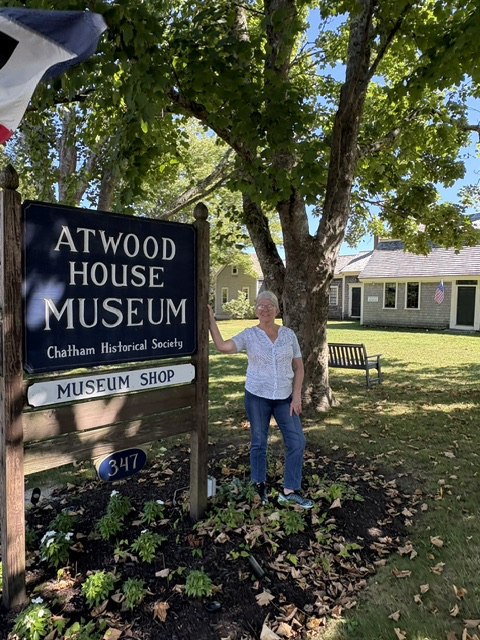
Atwood Museum
Joseph Sears Atwood was born in Eastham in 1720 and first went to sea at the age of ten. Like many young boys beginning a maritime career, he started as a cook aboard fishing vessels sailing to Nova Scotia and the Grand Banks. He gradually advanced through the ranks, becoming a seaman, mate, chief mate […]
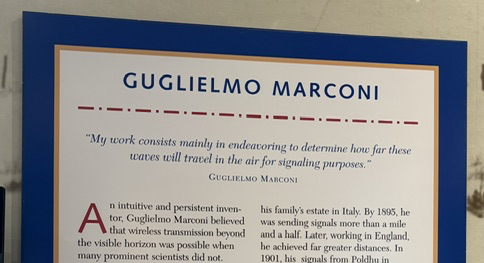
Guglielmo Marconi
Guglielmo Marconi was born in Bologna, Italy, in 1874. As a young man, he became convinced that recently discovered electromagnetic waves could be used to send messages without wires. Working with simple equipment on his family’s property, he began experimenting with the transmission of wireless signals. By 1895, Marconi had succeeded in sending a signal […]

