Seamen’s Cemetery
Near Chatham Lighthouse, a small burial ground enclosed by carefully trimmed hedges preserves one of the town’s lesser-known connections to the sea. Known as the Seamen’s Cemetery, it contains the remains of sailors whose bodies were recovered from the waters and beaches around Chatham.
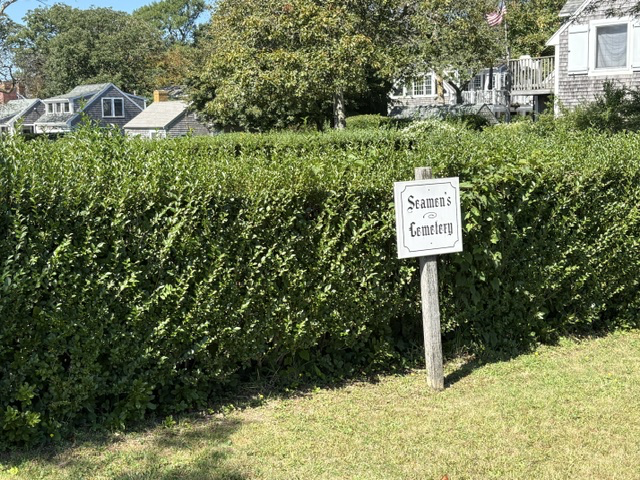
Chatham occupies the southeastern “elbow” of Cape Cod, where shifting shoals, strong currents, fog and powerful storms have long made navigation dangerous. Before modern charts, communications and lifesaving equipment, ships frequently grounded or broke apart along this coastline. The waters east of Cape Cod became so notorious for shipwrecks that they were often called an “ocean graveyard.”
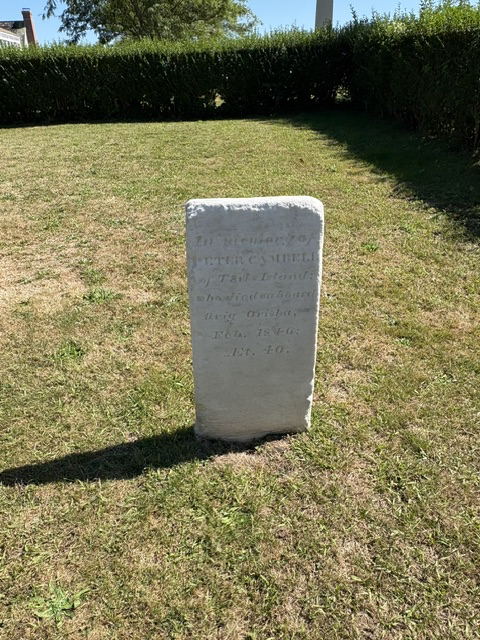
More than 100 sailors are believed to have been buried within this small cemetery. Many could not be identified and were laid to rest without individual markers. Today, only one inscribed gravestone remains visible. It commemorates Peter Campbell, who died in February 1846 at approximately 40 years of age. His solitary marker represents the many other mariners buried nearby whose names and personal histories were never recorded.
The cemetery’s memorial honors the unidentified sailors buried within the grounds. Most of their individual stories have been lost, leaving the single surviving inscribed gravestone as the only personal marker still visible.
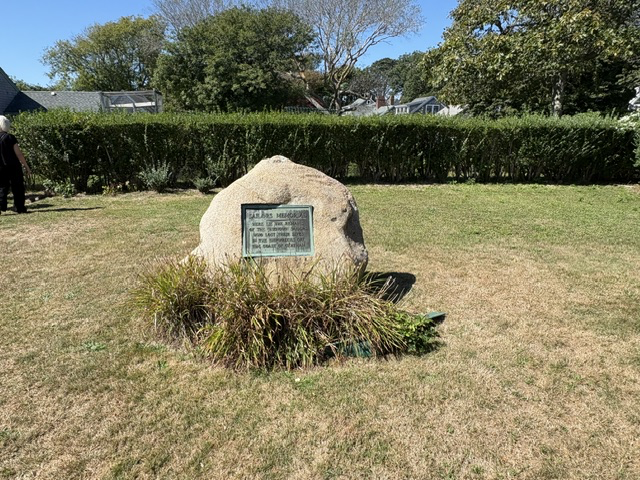
The Seamen’s Cemetery reflects a time when coastal communities recovered and buried those who died in nearby shipwrecks. Its small, enclosed grounds preserve the memory of the many unknown sailors whose final resting place became Chatham.
Read More

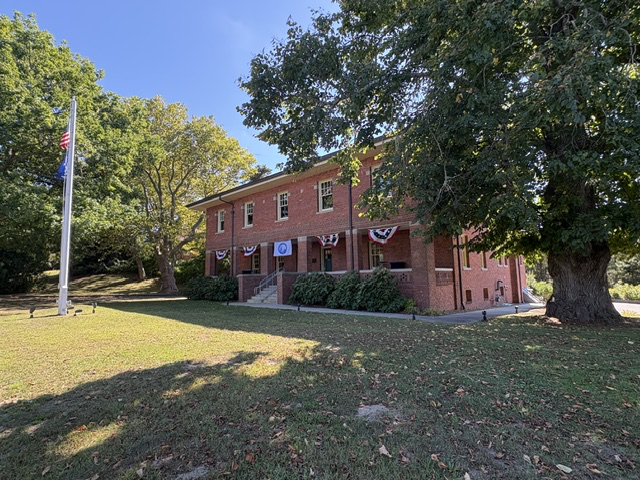
Read More From Nancy
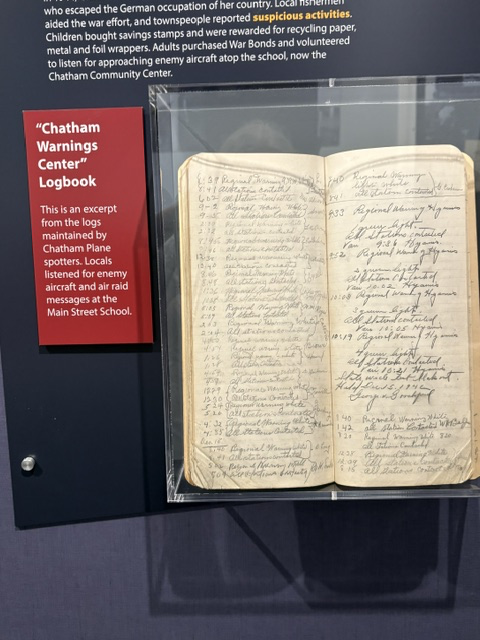
Home Front Artifacts
During World War II, the war effort extended far beyond the battlefields of Europe and the Pacific. In towns throughout the United States, ordinary citizens were asked to remain alert, conserve essential supplies, raise money and contribute whatever they could to support the country. Two artifacts preserved at the Marconi-RCA Wireless Museum: the Chatham Warning […]
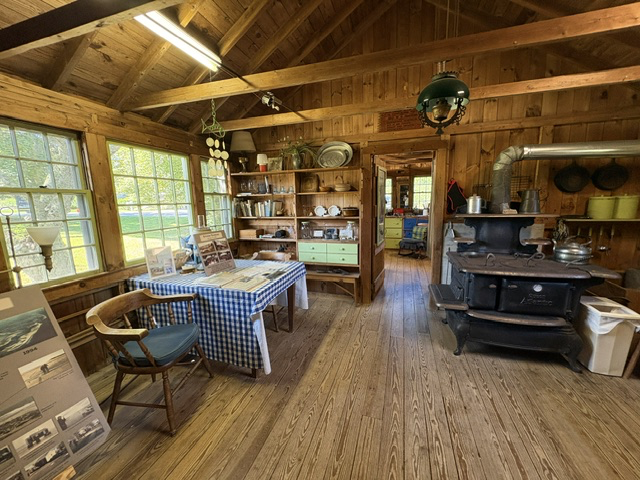
The Nickerson North Beach Camp
For generations, Chatham families looked across the water toward North Beach as a place to escape the routines of everyday life. The long barrier beach once extended southward from Orleans toward Chatham, separating the protected waters of Pleasant Bay and Chatham Harbor from the open Atlantic. Reaching it required a boat, and living there meant […]
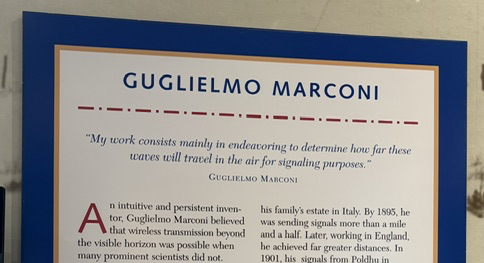
Guglielmo Marconi
Guglielmo Marconi was born in Bologna, Italy, in 1874. As a young man, he became convinced that recently discovered electromagnetic waves could be used to send messages without wires. Working with simple equipment on his family’s property, he began experimenting with the transmission of wireless signals. By 1895, Marconi had succeeded in sending a signal […]

