The Bed of the Virgin
As we explored the side chapels of Girona Cathedral, the contrast between the dark stone walls and this richly gilded installation immediately caught our attention. Set within the Chapel of Hope, it appeared almost like a stage, with blue fabric drawn back beneath an enormous crown to reveal the figure at its center.
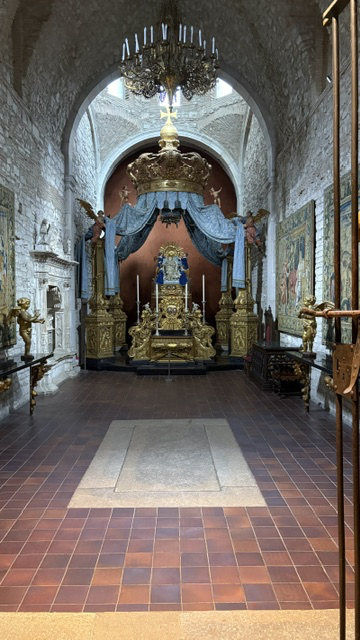
Known as the Bed of the Virgin, the installation represents the Dormition of Mary, the moment when, according to Christian tradition, the Virgin reached the end of her earthly life before being taken into heaven. The sleeping figure rests upon an elevated bed surrounded by angels, candles and elaborate golden ornamentation.
Created around 1775 by Catalan sculptor Lluís Bonifaç, the work reflects the drama and emotional expression of the Baroque period. Angels appear to hold open the curtains, inviting the viewer into the scene. Above them, the immense crown identifies Mary as Queen of Heaven, while golden rays and the descending dove symbolize the presence of God and the Holy Spirit.
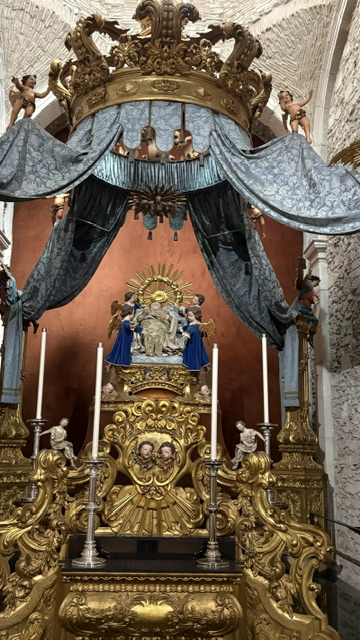
The closer we moved, the more details emerged. Small angels seem to climb among the folds of the canopy, while others surround the bed and watch over the reclining figure. The combination of carved and gilded wood, painted figures and real fabric makes the installation feel less like a conventional sculpture and more like a carefully arranged sacred performance.
The original figure of the Virgin was destroyed during the Spanish Civil War and was replaced in 1942. Historically, the entire structure was assembled near the cathedral’s main altar each August for the Feast of the Assumption and dismantled after the celebration. Today, its placement in the Chapel of Hope allows visitors to see both the complete setting and the intricate craftsmanship that might otherwise be overlooked.
What first attracted us was its unexpected grandeur. Yet it was only by stopping and looking more closely that we began to understand how sculpture, symbolism and theatrical presentation were brought together to tell a story of death, devotion and the promise of heaven.
Read More From Nancy
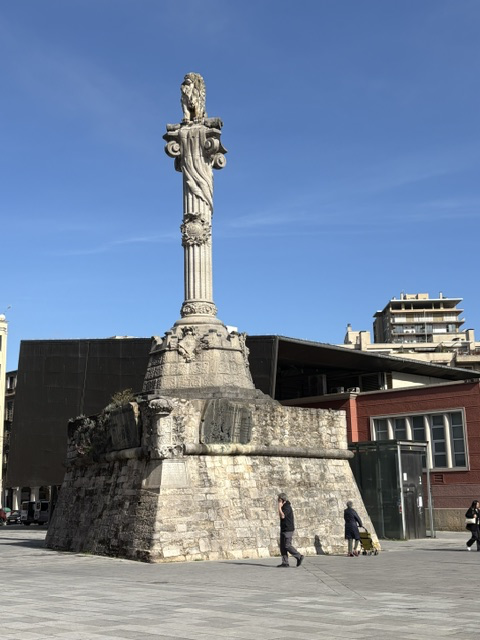
The Monument del Lleó Girona
While walking through Girona, we noticed this tall column rising above a surviving section of the city’s old fortifications. Known as the Monument del Lleó, or Lion Monument, it stands in Plaça Calvet i Rubalcaba beside the Mercat del Lleó. The monument honors the soldiers and civilians who defended Girona during the Napoleonic sieges of […]
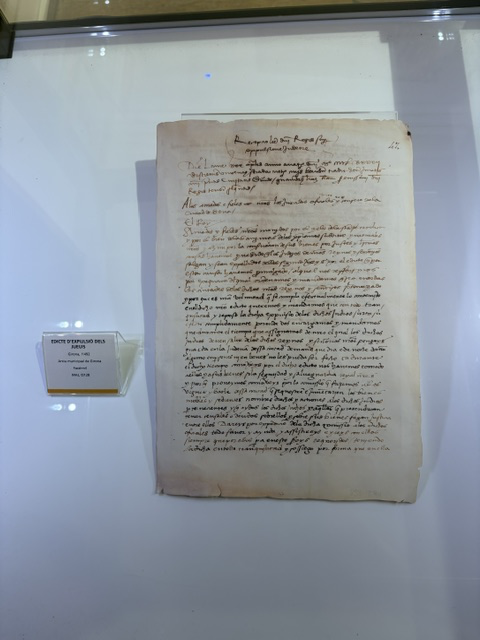
The 1492 Edict of Expulsion
This document records the order that brought Girona’s centuries-old Jewish community to an end. Issued by Ferdinand and Isabella on March 31, 1492, the Edict of Expulsion required practicing Jews to leave the kingdoms under their rule unless they accepted baptism and converted to Christianity. The edict was closely connected to the Spanish Inquisition and […]
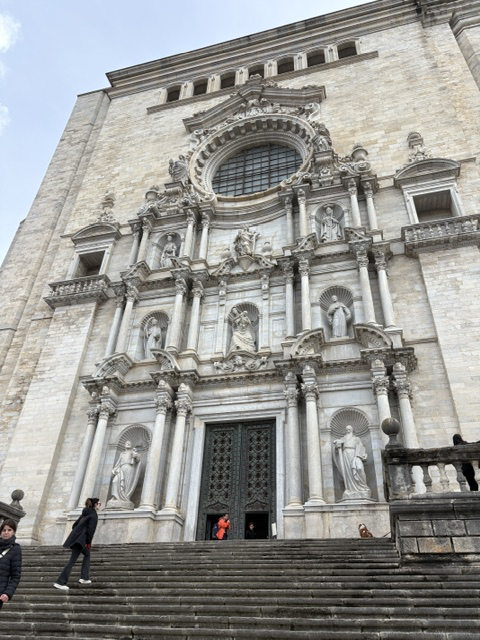
Cathedral of Saint Mary
The Cathedral of Saint Mary of Girona, known in Catalan as the Catedral de Santa Maria de Girona, stands at one of the highest points in the old city. Its monumental position has made it one of Girona’s defining landmarks. Visitors approach its western entrance by climbing ninety broad stone steps, an ascent that gradually […]

