1910 Sears Model P Surrey
Long before people ordered automobiles online, a customer could select one from the pages of the Sears, Roebuck and Company catalog. The 1910 Sears Model P Surrey displayed at Heritage Museums & Gardens represents a brief period when the company best known for mail-order clothing, tools, household goods, and even complete houses also delivered motor vehicles to customers across the country.
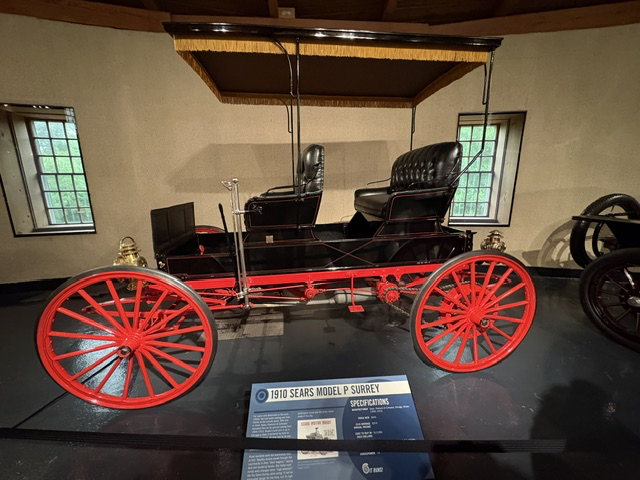
Sears began offering its Motor Buggy in 1908. The company designed it especially for rural Americans who were accustomed to driving horse-drawn wagons but were becoming interested in the freedom offered by an automobile. Its appearance made the transition less intimidating. With high wheels, an elevated body, bench seating, and a carriage-style canopy, the vehicle looked more like a familiar buggy than the increasingly sophisticated automobiles appearing in American cities.
After choosing a model from the catalog, the customer submitted an order and waited for the automobile to arrive in a wooden crate, generally at the nearest railroad station. The new owner received instructions explaining how to attach the wheels, add the supplied motor oil, fill the fuel tank, and prepare the vehicle for operation. Sears used the same national catalog and railroad networks that carried its other merchandise to bring automobile ownership within reach of people living far from established dealerships.
The four-passenger Model P Surrey sold for approximately $445 at a time when the average annual American income was about $574. Its air-cooled, horizontally opposed two-cylinder engine produced approximately 14 horsepower. The high clearance and large wheels were well suited to the unpaved, deeply rutted rural roads on which many owners expected to travel.
The vehicle also reflects how closely the first automobiles were connected to the horse-drawn carriages they replaced. Its body, seats, wheels, and canopy followed established carriage-building traditions, while the engine and mechanical controls introduced an entirely new method of transportation. Automobiles such as this one helped rural families travel farther without depending upon a horse that required food, shelter, and daily care.
Sears sold motor buggies for only a few years, ending the line around 1912 as conventional automobiles became more powerful, comfortable, and widely available. Although its venture into automobile manufacturing was brief, the Sears Motor Buggy demonstrated the extraordinary reach of the company’s mail-order system and the growing desire of ordinary Americans to participate in the emerging automobile age.
Read More From Nancy
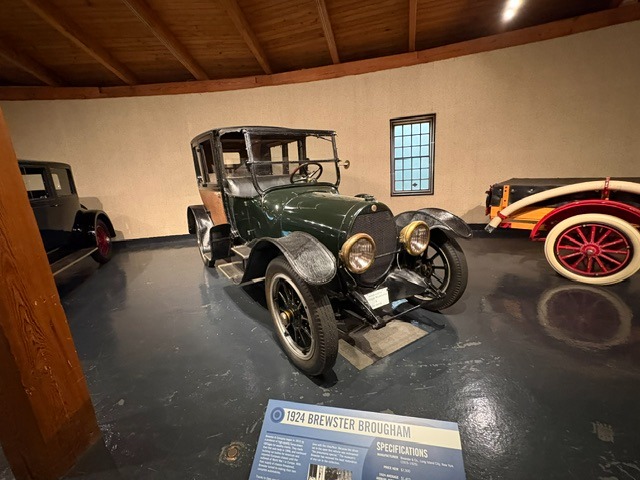
The 1924 Brewster Brougham
The 1924 Brewster Brougham at Heritage Museums & Gardens carries the traditions of luxury carriage making into the automobile age. Its upright passenger compartment, decorative bodywork, and separate chauffeur’s position reveal how established ideas about comfort and status influenced early motoring. Brewster & Company began making fine horse-drawn carriages in 1810 and produced its first […]
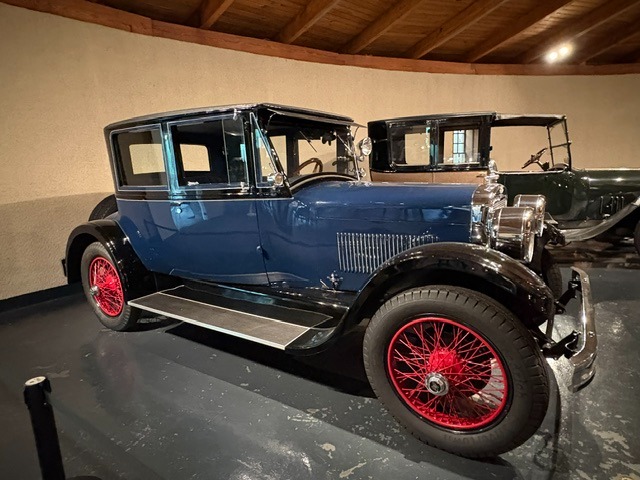
The 1925 Rickenbacker 8 Coupe
The blue 1925 Rickenbacker 8 Coupe at Heritage Museums & Gardens connects automobile history with one of America’s best-known World War I aviators. Behind its name is Eddie Rickenbacker, whose career carried him from automobile racing to aerial combat and then into the competitive business of manufacturing cars. Before becoming a fighter pilot, Rickenbacker was […]
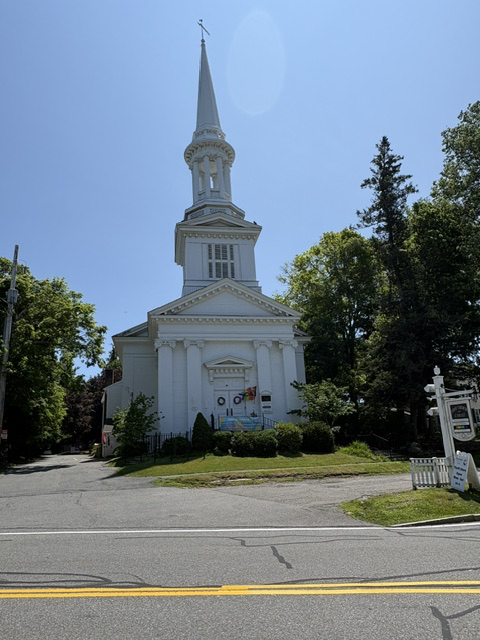
First Church of Christ
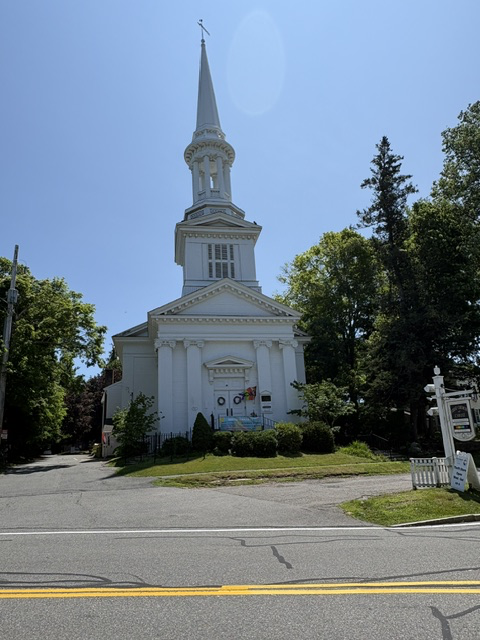
Standing prominently in the center of Sandwich is the First Church of Christ, its tall white steeple visible above the surrounding village. The building I photographed dates to 1848, but the Congregational tradition it represents reaches much further back into the earliest history of Sandwich. The first English settlers arrived in Sandwich in 1637, and […]

