First Church of Christ
The history of the First Church of Christ reaches back to the establishment of Sandwich itself. The congregation was organized in 1638, only a year after the town was incorporated, when religious and civic life in colonial New England were closely connected. The early meetinghouse served not only as a place of worship but also as the setting in which residents gathered to conduct the business of the town.
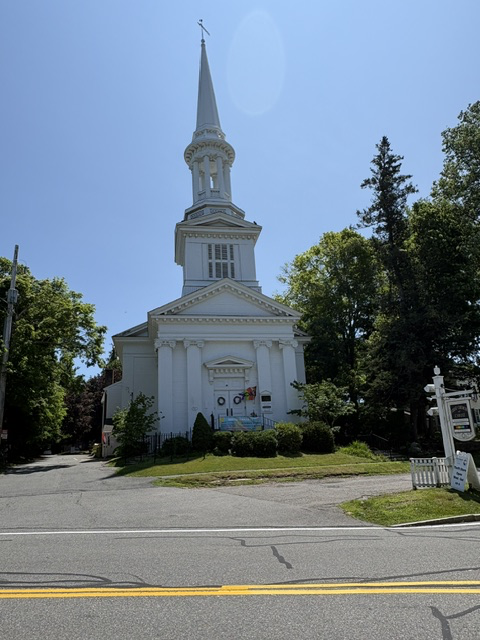
A Congregational chapel was first constructed at the present location in 1813. The building that stands there today was designed by Cambridgeport architect Isaac Melvin and completed in 1848. Its graceful Greek Revival façade, tall columns and carefully proportioned pediment gave the church a much different appearance from the plain meetinghouses that had characterized earlier New England communities.
The church is particularly recognized for its elaborate multistage spire. Its design has often been compared to the London church spires created by Sir Christopher Wren following the Great Fire of London in 1666. Rising high above the surrounding village, the spire became both a defining feature of the Sandwich skyline and a familiar landmark visible from a considerable distance.
The building also holds an unexpected place in American popular culture. The church appeared on the cover of Elvis Presley’s 1967 gospel album, How Great Thou Art. This unlikely connection introduced the historic Sandwich church to an audience far beyond Cape Cod and continues to attract the attention of Elvis enthusiasts.
The First Church and the Town Hall now stand close to one another in the heart of Sandwich. Their proximity recalls the time when religious and civic responsibilities were conducted together, while their separate buildings reflect the eventual constitutional separation of church and government in Massachusetts. The church therefore preserves more than the history of one congregation. It represents the changing relationship among faith, community and public life across nearly four centuries of Sandwich history.
Read More From Nancy
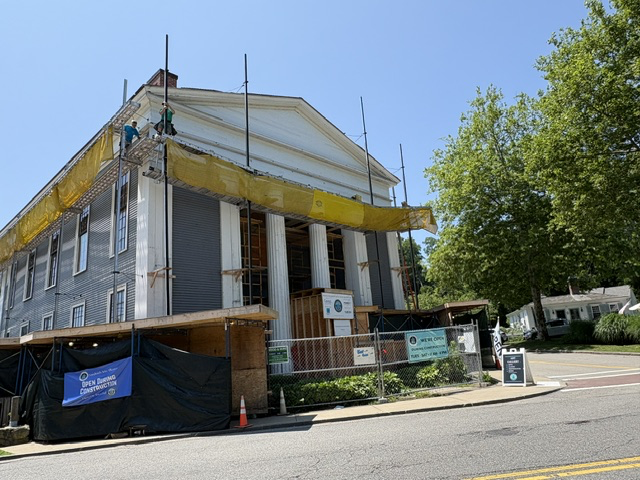
Sandwich Town Hall
Standing prominently in the center of Sandwich, the Town Hall represents an important change in the relationship between religion and government in Massachusetts. Before it was constructed, Sandwich conducted its civic business in the Congregational meetinghouse, where religious services and town meetings took place beneath the same roof. This arrangement had been common throughout colonial […]
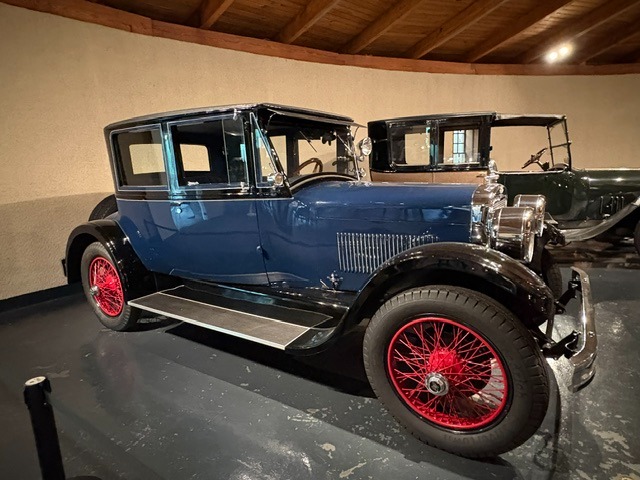
The 1925 Rickenbacker 8 Coupe
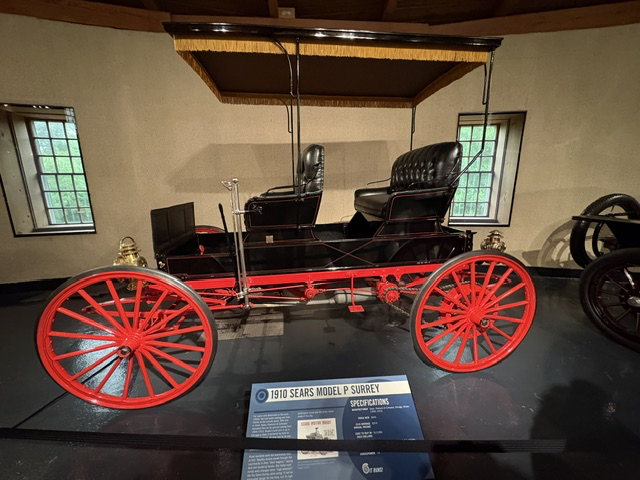
The blue 1925 Rickenbacker 8 Coupe at Heritage Museums & Gardens connects automobile history with one of America’s best-known World War I aviators. Behind its name is Eddie Rickenbacker, whose career carried him from automobile racing to aerial combat and then into the competitive business of manufacturing cars. Before becoming a fighter pilot, Rickenbacker was […]
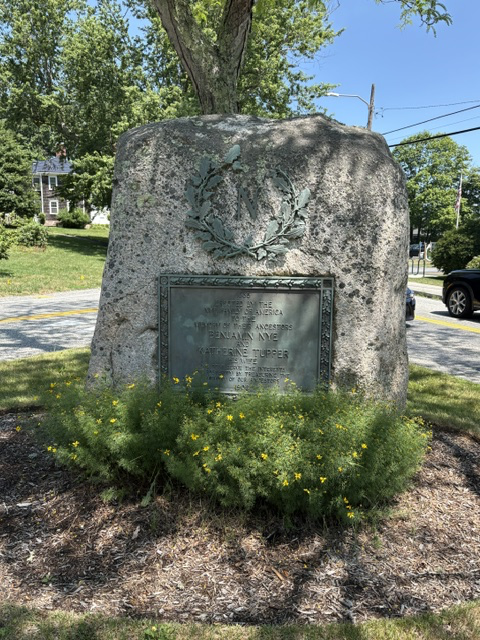
Benjamin Nye and Katherine Tupper Memorial
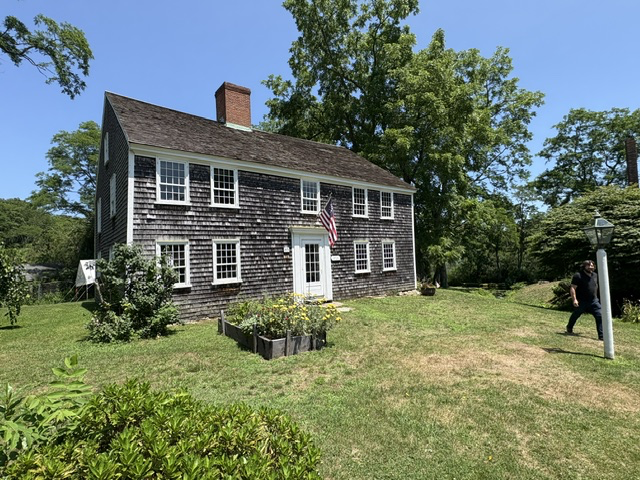
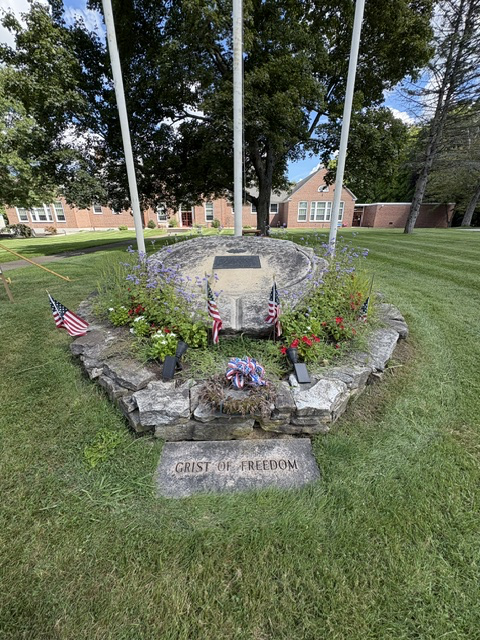
While exploring Sandwich, I came across this large stone memorial to Benjamin Nye and his wife, Katherine Tupper. I had already visited the Benjamin Nye Homestead in East Sandwich, so finding their names again in another part of town helped connect the house I had seen with the larger story of the family. Benjamin Nye […]

