Woodstock Veterans Memorial
At the intersection of Route 169 and Academy Road, a large fieldstone bears the names of Woodstock residents who served their country during the twentieth century. The principal bronze plaque honors the men and women of the town who served during the Second World War from 1941 to 1945.
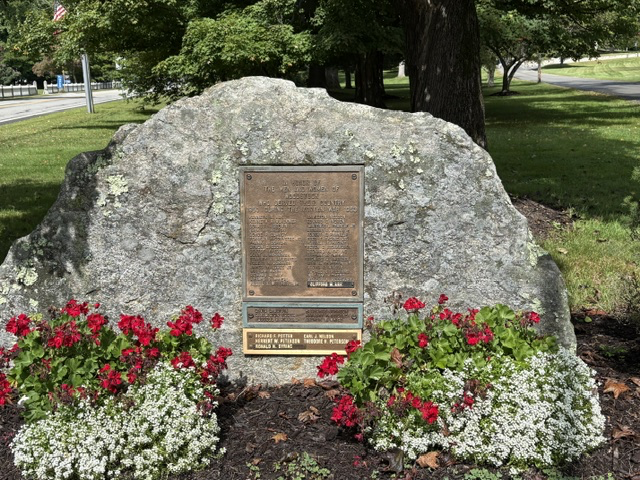
The names represent local people who left the farms, homes, schools, and businesses of Woodstock to serve during a conflict fought across Europe, North Africa, Asia, and the Pacific. By placing their names together in the center of the community, Woodstock preserved more than a record of military service. It preserved the connection between a global war and the individual lives of those who answered the call from this small Connecticut town.
Additional plaques were later placed on the memorial to recognize Woodstock residents who served during the Korean War from 1950 to 1953 and the Vietnam War from 1964 to 1973. Their addition allowed the memorial to continue fulfilling its purpose as later generations were called into military service.
Surrounded by flowers and maintained as part of the village landscape, the memorial reflects the way small towns preserve national history through local names. Each inscription connects a distant conflict to a family, a home, and a person who once belonged to this community.
Read More From Nancy
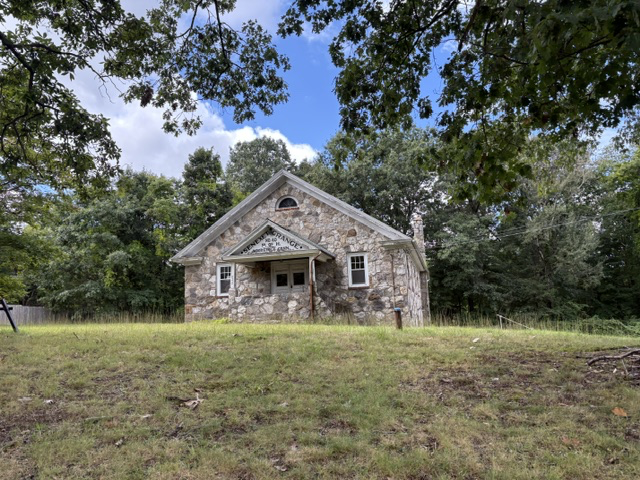
Senexet Grange No. 40
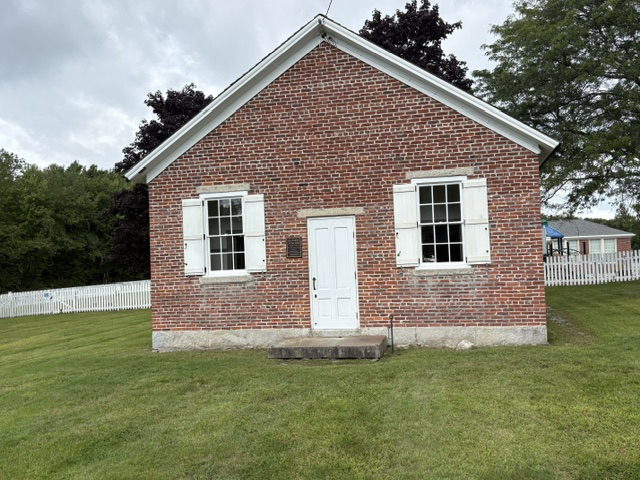
Senexet Grange No. 40 was established as a local chapter of the Order of Patrons of Husbandry, commonly known as the Grange. Founded nationally in 1867, the organization was created to support farmers and their families through education, cooperation, fellowship, and collective action. The letters “P. of H.” displayed on the building identify its connection […]
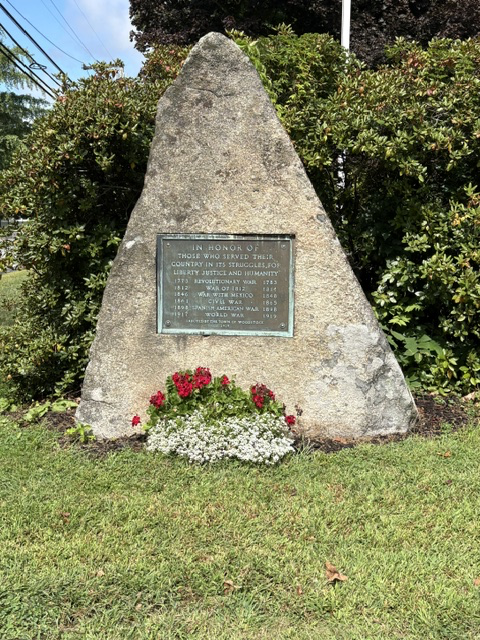
Woodstock War Memorial
Erected by the Town of Woodstock in 1919, this memorial honors local residents who served their country during six conflicts extending from the American Revolution through the First World War. Its inscription dedicates the monument to those who served in the nation’s struggles for “liberty, justice and humanity.” The memorial begins with the Revolutionary War […]
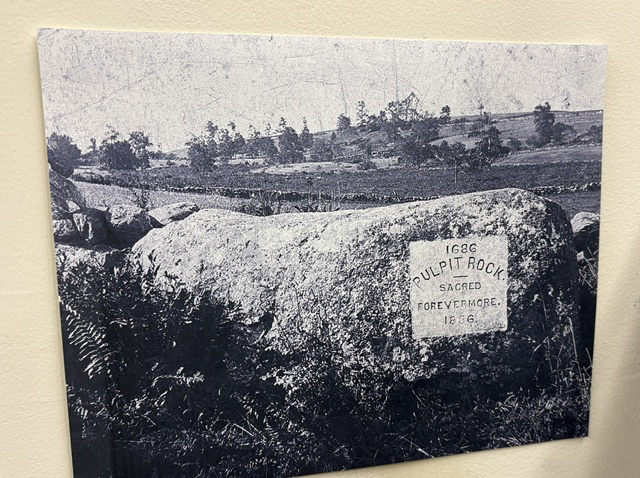
Pulpit Rock
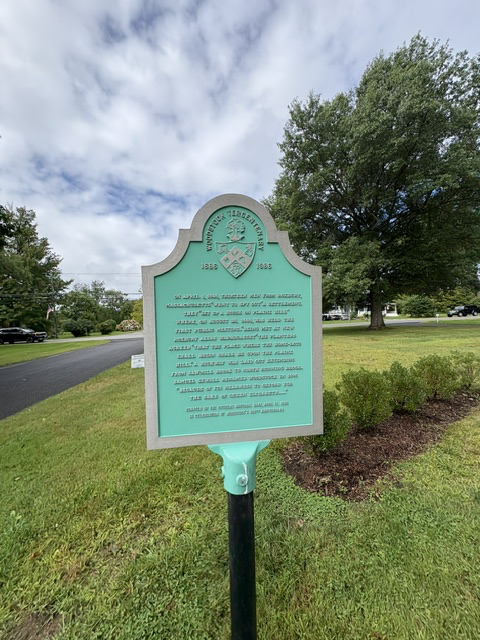
When Woodstock’s first English settlers arrived from Roxbury, Massachusetts, in 1686, they entered a landscape without churches, meetinghouses, or other public buildings. Until a meetinghouse could be constructed, they gathered for Sunday worship around a large glacial boulder that became known as Pulpit Rock. In this open-air sanctuary, the rock served as a natural focal […]

