Thomas Edison NHP – Black Maria Studio
While exploring the Thomas Edison National Historical Park, one exhibit immediately caught my attention. This unassuming black building is a replica of the Black Maria, the world’s first motion picture production studio. Although simple in appearance, it represents the birthplace of an industry that would forever change entertainment, communication, and popular culture.
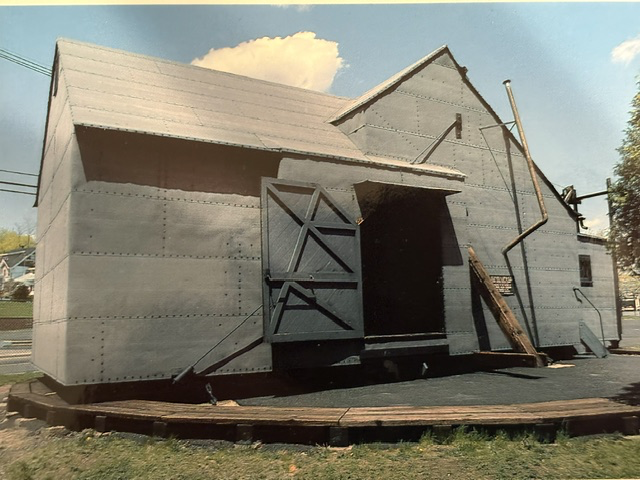
The original Black Maria was built in 1893 on the grounds of Edison’s laboratory in West Orange. Designed specifically for making motion pictures, it was covered with black tar paper, giving it the nickname “Black Maria,” after the black police wagons of the day. Because early film required large amounts of natural sunlight, the entire building was constructed on a circular track so it could rotate throughout the day, allowing the open roof to follow the sun.
Inside this small studio, Edison and his team produced hundreds of short films featuring vaudeville performers, dancers, athletes, magicians, strongmen, and scenes from everyday life. These films were viewed through Edison’s Kinetoscope, one of the earliest motion picture viewing devices. Although audiences could watch only one person at a time, the experience introduced the public to an entirely new form of entertainment.
The Black Maria marked the beginning of the American motion picture industry. While filmmaking would eventually move to larger studios and, ultimately, to Hollywood, many of the techniques first explored here laid the foundation for modern cinema. It is remarkable to think that an industry that now reaches billions of people around the world began in a small rotating building behind Thomas Edison’s laboratory.
Read More From Nancy
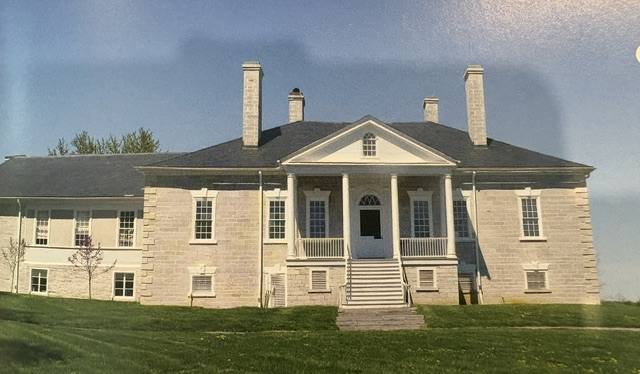
Cedar Creek and Belle Grove National Historical Park
Some places become historic because of a single event. Others become important because of where they are. Cedar Creek and Belle Grove National Historical Park in Virginia tells both stories. It preserves the site of one of the final major battles of the Civil War while also protecting one of the Shenandoah Valley’s finest historic […]
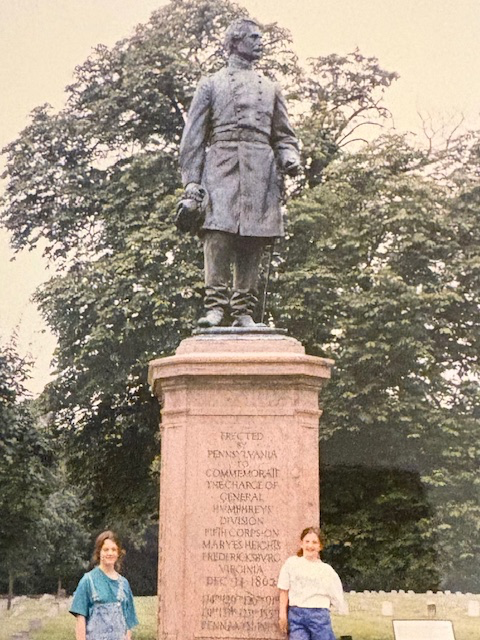
Fredericksburg and Spotsylvania National Military Park
On our travels to the 1996 Olympics in Atlanta, we took the time to visit some of the historic sites in Virginia. One of them was Fredericksburg and Spotsylvania National Military Park, a Civil War battlefield that holds the memory of one of the war’s most devastating encounters. This statue commemorates Andrew A. Humphreys and his […]
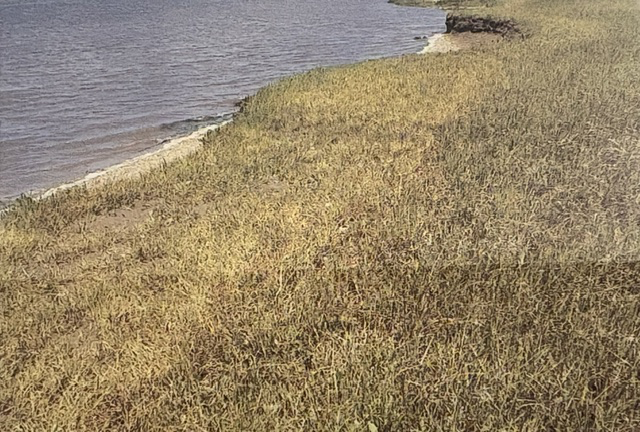
Great Egg Harbor National Scenic and Recreational River
Beginning as little more than a trickle near Berlin, New Jersey, the Great Egg Harbor River gradually gathers the waters of seventeen tributaries as it winds through the forests and wetlands of the Pine Barrens. Along the way, the narrow stream becomes a broad tidal river before reaching Great Egg Harbor Bay and the Atlantic […]

