Appomattox Court House National Historic Park
The drive to Appomattox Court House took us through the rolling hills and quiet countryside of Virginia. As beautiful as the landscape is today, it is hard not to think about the hardship, sacrifice and bloodshed that the Civil War brought to this region and to the nation. Knowing that history makes arriving at this small village even more meaningful.
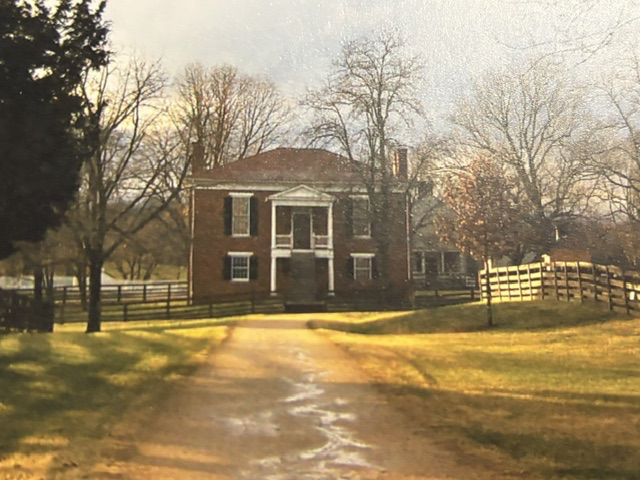
On April 9, 1865, a most significant event in American history took place here. Inside the McLean House, Confederate Robert E. Lee met with Union General Ulysses S. Grant to surrender the Army of Northern Virginia. While other Confederate forces remained in the field for several weeks, this surrender effectively signaled the end of the Civil War and marked the beginning of the nation’s long process of healing and reunification.
One memorable story was the dignity shown by both commanders. Lee arrived at the village mounted on his beloved horse, Traveler, a gray American Saddlebred that had carried him through much of the war. Impeccably dressed in a new gray uniform with polished boots and sash, Lee presented himself with the composure that had earned the respect of both his soldier and many of his opponents.
Grant arrived wearing a mud-spattered field uniform, having ridden hard from the front lines. The meeting was marked by mutual respect. The formal surrender documents were signed, but Grant deliberately chose not to demand Lee’s sword as a gesture of respect and reconciliation. Grant also allowed Confederate officers to keep their sidearms and permitted soldiers who owned horses to take them home for the spring planting season. These acts helped preserve Lee’s dignity and eased the transition from war to peace.
The story of the McLean House itself is filled with irony. Its owner, Wilmer McLean, had moved his family away from Manassas after the First Battle of Bull Run in 1861 to escape the war. Four years later, the conflict followed him to Appomattox, where his parlor became the setting for the surrender that brought the nation’s deadliest conflict to a close.
Recognizing the importance of preserving this historic site, Congress established Appomattox Court House National Historical Monument in 1935. Today, the park protects the McLean House as well as the surrounding village and landscape that witnessed one of the defining moments in American history.
Read More From Nancy
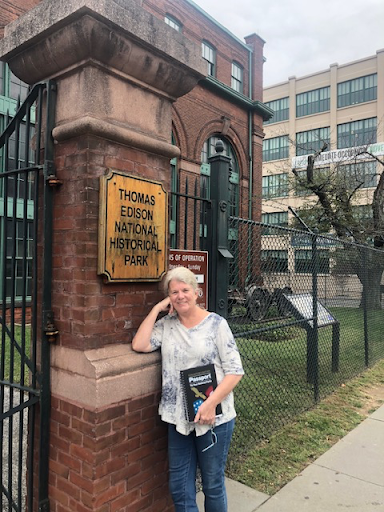
Thomas Edison National Historical Park
Thomas Edison National Historical Park is one of those places where I could wander for hours. Every corner feels like stepping into the mind of a man who reshaped the modern world. From his personal office, preserved just as he left it. To his rigid time clocks that kept his workers on schedule, to the […]
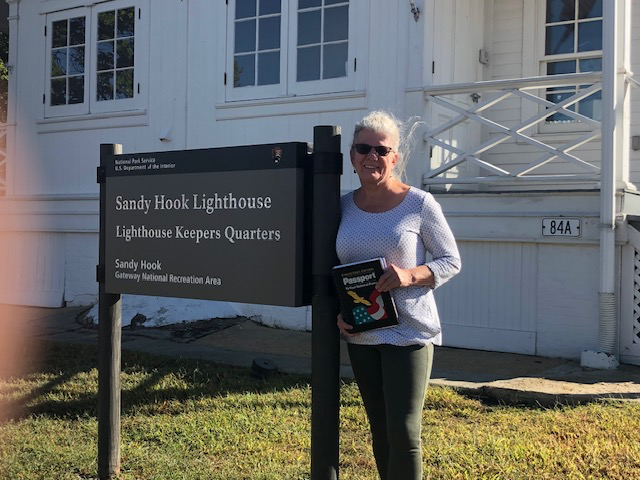
Gateway National Recreation Area / Sandy Hook Lighthouse
The Sandy Hook Lighthouse is an extraordinary landmark along the Atlanta coast because of its age and the countless ships it has guided safely past the shoreline for more than two and a half centuries. Standing at the tip of Sandy Hook in New Jersey, within Gateway National Recreation Area, the lighthouse was first lit in 1764, […]
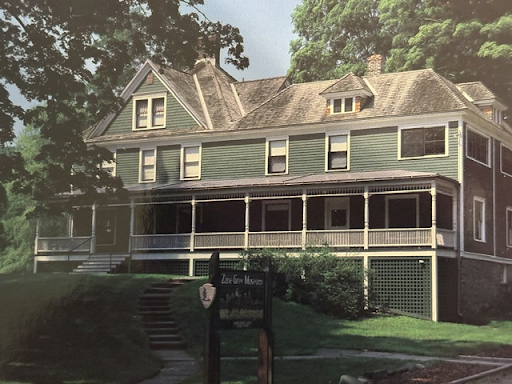
Upper Delaware Scenic and Recreational River
One of the unexpected discoveries during our travels was the home of Zane Grey, preserved within the Upper Delaware Scenic and Recreational River. Although I had never read his Western novels, I certainly knew his name and the enormous popularity he enjoyed during the early twentieth century. Finding his home overlooking the Delaware River was […]

