The Wurlitzer Band Organ
At the heart of the Carousel of Happiness stands a beautifully restored 1913 Wurlitzer Band Organ. While the hand-carved animals capture most visitors’ attention, the organ provides the soundtrack that brings the carousel to life. Its cheerful music fills the building, creating an atmosphere that feels both nostalgic and timeless.
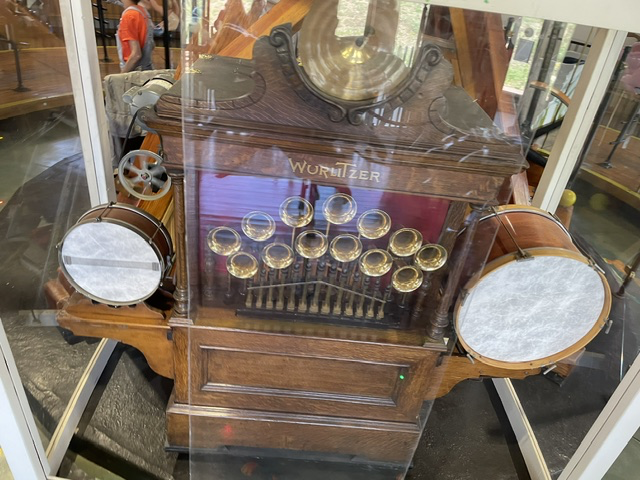
The music that fills the Carousel of Happiness comes from an instrument that is nearly a century older than the carousel itself. Built by the Wurlitzer Company in 1913, the organ is an authentic example of the mechanical musical instruments that once entertained visitors at amusement parks, fairs, and carousels throughout America. Long before recorded music and loudspeakers, band organs supplied the lively marches and melodies that became inseparable from the carousel experience.
Band organs were designed to be much more than background music. Using a complex system of pipes, bellows, drums, and percussion instruments, they created the sound of an entire band. Their music could be heard across a fairground, drawing visitors toward the carousel and adding excitement to the ride. Wurlitzer became one of the most respected manufacturers of these instruments, and surviving examples are treasured pieces of American history.
What makes this organ especially fitting for the Carousel of Happiness is its connection to the larger story of preservation and craftsmanship. Just as Scott Harrison spent years carving the carousel’s animals by hand, the Wurlitzer represents another form of artistry that might otherwise have been lost to history. Both the carousel and the organ are reminders of a time when beauty, craftsmanship, and imagination were built into everyday experiences.
Read More From Nancy
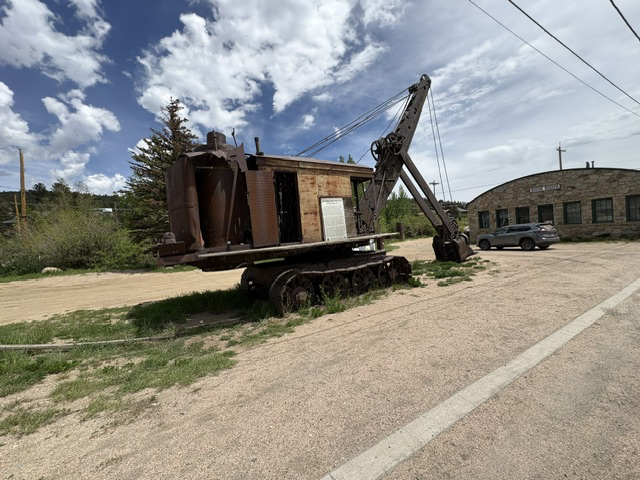
A Steam Shovel’s Journey from Panama to Colorado
Standing outside the Nederland Mining Museum is a piece of machinery that is impossible to ignore. This enormous steam shovel, built in 1923 by the Bucyrus Company, is one of the museum’s most recognizable artifacts. Originally used during the construction of the Panama Canal, the shovel later found its way to Colorado, where it was […]
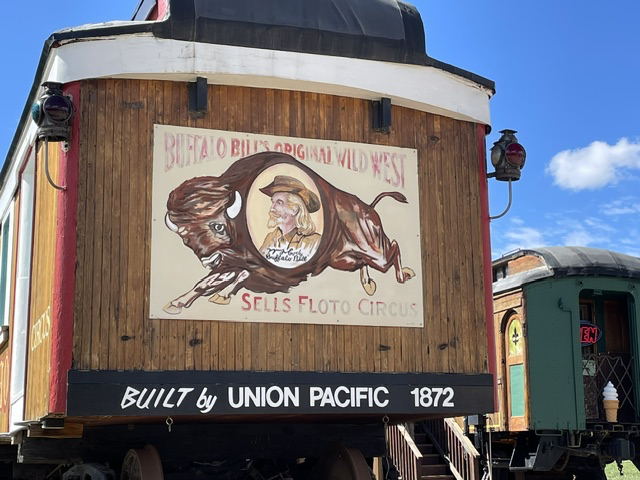
The Train Cars
One of the most unique attractions in Nederland is a collection of historic railroad cars that have been given a second life as businesses, gathering places, and tourist attractions. Known simply as The Train Cars, the complex combines local history, railroad nostalgia, and a touch of Old West imagination. The railroad-themed artwork adorning the cars celebrates […]
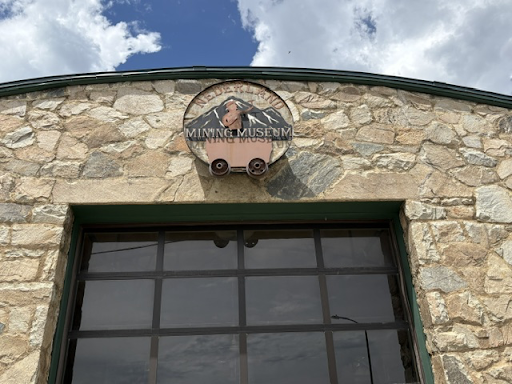
Nederland Mining Museum
The history of Nederland cannot be told without its connection to mining and nowhere is that story preserved more completely than at the Nederland Mining Museum. Located in the heart of town, the museum is dedicated to the gold, silver, and tungsten mining history that shaped both Nederland and much of Boulder County during the […]

