A Steam Shovel’s Journey from Panama to Colorado
Standing outside the Nederland Mining Museum is a piece of machinery that is impossible to ignore. This enormous steam shovel, built in 1923 by the Bucyrus Company, is one of the museum’s most recognizable artifacts. Originally used during the construction of the Panama Canal, the shovel later found its way to Colorado, where it was employed in placer mining operations south of Nederland. Its journey reflects the remarkable mobility of industrial equipment during the early twentieth century, when machinery was often moved from one major project to another as economic opportunities shifted.
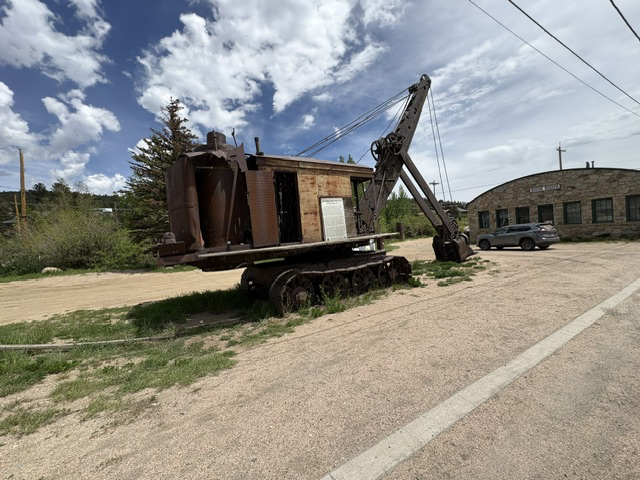
Seeing the shovel in person provided a sense of scale that photographs alone cannot capture. The massive bucket, towering boom, and heavy steel tracks illustrate the tremendous engineering required to move earth and rock on an industrial scale. Long before modern hydraulic excavators became common, machines like this represented the cutting edge of excavation technology. Powered by steam and operated by skilled crews, they transformed landscapes and made large-scale mining possible.
The shovel also serves as a reminder that the history of mining in Colorado extended far beyond the individual prospector with a pickaxe and gold pan. While those images often dominate our understanding of the mining frontier, the industry’s later years relied increasingly on powerful machinery capable of moving vast quantities of material. Equipment such as this helped reshape the mountains and valleys of the American West while contributing to the economic growth of communities like Nederland.
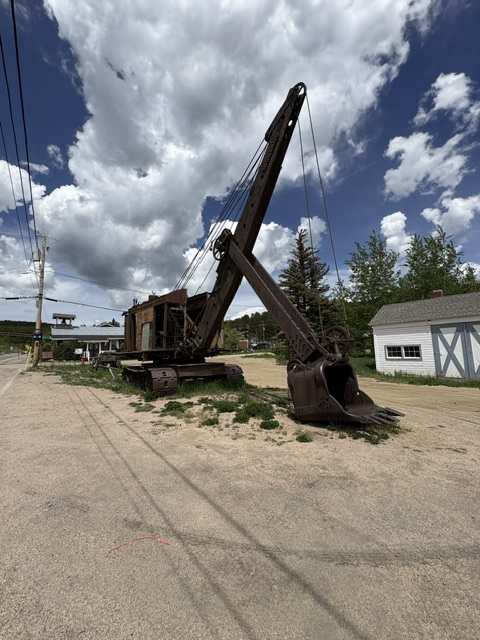
The shovel stands as a monument to both human ingenuity and the industrial era that helped shape Colorado’s mountain towns. More than a relic of mining history, it is a reminder of the scale of ambition and engineering that characterized the early twentieth century.
Read More From Nancy
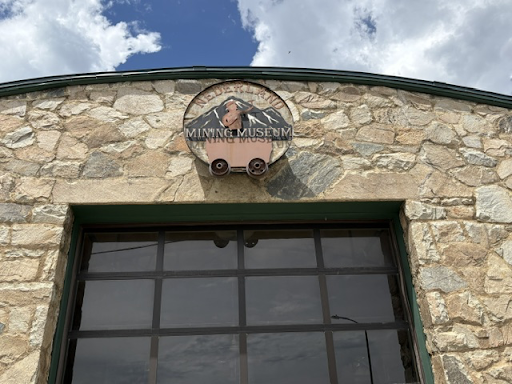
Nederland Mining Museum
The history of Nederland cannot be told without its connection to mining and nowhere is that story preserved more completely than at the Nederland Mining Museum. Located in the heart of town, the museum is dedicated to the gold, silver, and tungsten mining history that shaped both Nederland and much of Boulder County during the […]
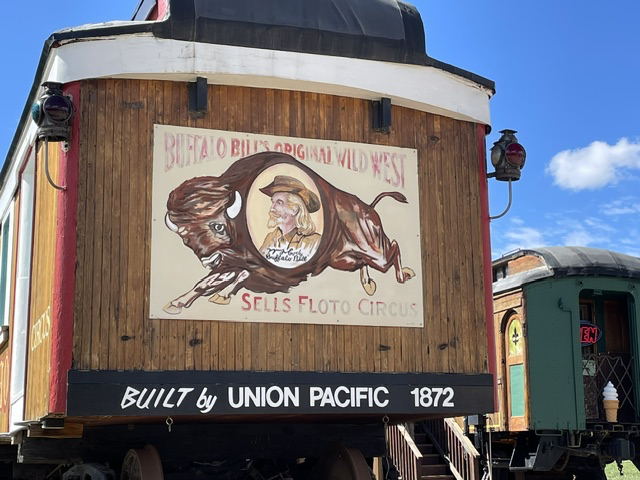
The Train Cars
One of the most unique attractions in Nederland is a collection of historic railroad cars that have been given a second life as businesses, gathering places, and tourist attractions. Known simply as The Train Cars, the complex combines local history, railroad nostalgia, and a touch of Old West imagination. The railroad-themed artwork adorning the cars celebrates […]
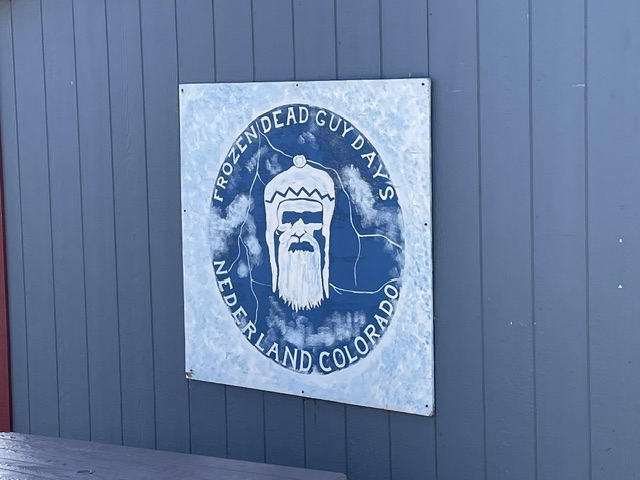
Frozen Dead Guy
One of the things that put Nederland, Colorado, on the map has nothing to do with mining, railroads, or mountain scenery. Instead, it is the town’s unusual connection to a frozen corpse. The annual Frozen Dead Guy Days festival began as a celebration of the strange but true story of Bredo Morstøl, a Norwegian man whose body was […]

