Terezín Memorial
During our visit to the Czech Republic, Marty and I hired a tour guide to take us through the countryside to view soeof the region’s historic sites. One of the most memorable trips was Tererzin. Having a guide allowed us to better understand the history of the town and the events that unfolded there during World War II.
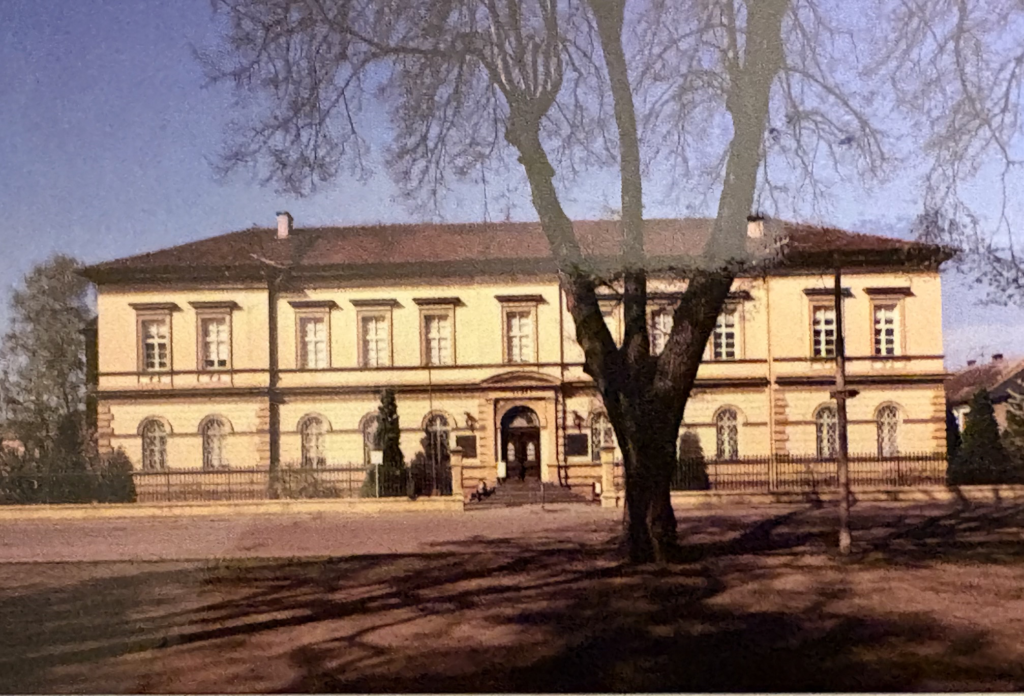
A visit to Terezin is unlike visiting most historic sites. The buildings, streets and squares appear ordinary at first glance, giving little indication of the tragedy that unfolded here during World War II. Behind these walls lie one of the sobering chapters of Holocaust history.
Originally established in the last eighteenth century by Emperor Joseph II of Austria as a fortified garrison town, Terezin was transformed by Nazi Germany into the Theresienstadt Ghetto in 1941. The Nazis used the town as a collection and transit center for Jews from Czechoslovakia, Germany, Austria, the Netherland, Denmark and other occupied countries. More than 140,000 people passed through Terezin during the war.
Unlike extermination camps, Terezin served a dual purpose, it functioned as a place of confinement while also being used by Nazi authorities as a propaganda tool. The Nazis attempted to present the town as a “model Jewish settlement” to deceive international observers about the true nature of their policies. Behind that facade, overcrowding, hunger, disease and fear were constant realities. Tens of thousands died within the ghetto, while many more were deported to Auschwitz and other camps.
Perhaps the most heartbreaking story associated with Terezin is that of its children. Approximately 15.000 children passed through the ghetto during the war. Despite the harsh conditions, dedicated teachers and caregivers secretly organized classes, cultural activities and artistic programs. The children produced hundreds of drawings, paintings, poems and journals that survive today as the most moving records of life during the Holocaust.
One of the most famous collections, “I Never Saw Another Butterfly” preserves poems and artwork created by theseyoung prisoners and has become a powerful testament to their lives and dreams. Tragically, fewer than 150 of the 15,000 children who passed through Terezin are known to have survived the war.
More than a historic site, Terezin serves as a memorial to the victims of Nazi persecution and a reminder of the importance of preserving memory and ensuring that such events are never forgotten. For us, it was the drawing and poems of the children that left the deepest impression. Through their artwork, they have spoken across the decades and ensuring they will never be forgotten.

