The National Memorial Arch
At Valley Forge, a monumental stone arch honors George Washington and the Continental Army during the winter encampment of 1777–1778. Its scale gives a lasting public presence to an experience remembered for hardship, endurance, and the work of sustaining an army through the struggle for independence.
Washington’s troops arrived at Valley Forge on December 19, 1777, after a campaign that had left British forces occupying Philadelphia. The encampment became a place to regroup, build winter quarters, and prepare for the fighting ahead.
The soldiers faced shortages of food, clothing, and equipment. Illness added to their difficulties. Their survival depended on the efforts of soldiers, officers, civilians, and supply workers to obtain provisions and maintain the camp.
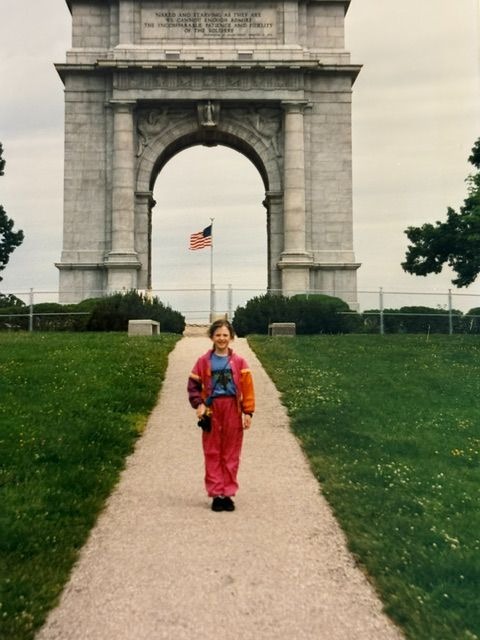
Completed in 1917, the National Memorial Arch commemorates the army’s arrival and service at Valley Forge. It stands along the route associated with the troops’ entrance into the encampment, placing the memorial within the landscape of the event it honors.
An inscription preserves Washington’s tribute to his men: “Naked and starving as they are, we cannot enough admire the incomparable patience and fidelity of the soldiery.” His words direct attention toward the soldiers whose persistence made the army’s continued existence possible.
The arch was built long after the Revolution, reflecting a later generation’s determination to commemorate that service. Its subject is an army that endured a difficult season and continued its work. At Valley Forge, that endurance became an essential part of how Americans remembered the achievement of independence.
Read More From Nancy
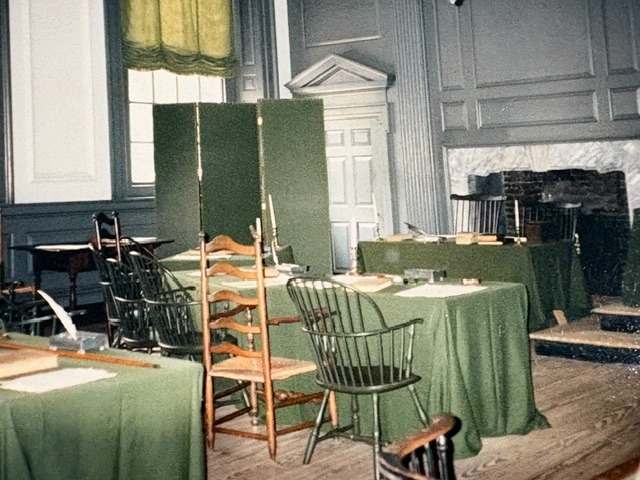
The Assembly Room at Independence Hall
Inside Independence Hall, green-covered tables and wooden chairs mark the setting where delegates debated two defining documents of American history: the Declaration of Independence and the United States Constitution. The Assembly Room began as a meeting place for Pennsylvania’s colonial legislature before becoming a center of revolutionary government. In 1775, the Second Continental Congress gathered […]
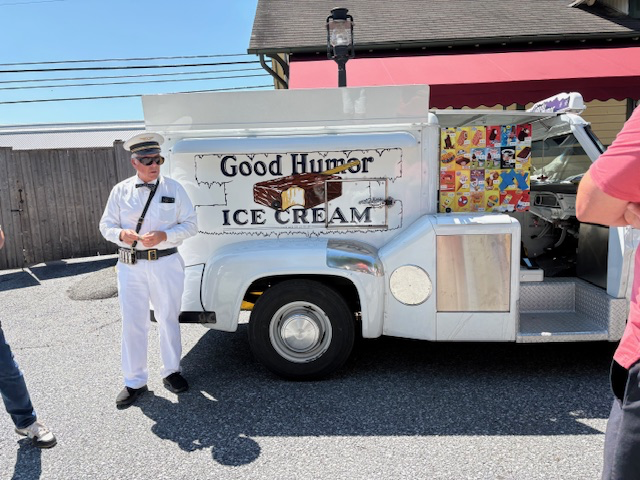
The Good Humor Truck
During our trip to Lancaster County Pennsylvania this summer, we rode the historic train in Strasburg. As part of their railroad grounds exhibition, was a Good Humor ice cream truck. It stood there as if it had rolled out of our 1950s neighborhood. The story of the Good Humor truck begins in Youngstown, Ohio […]
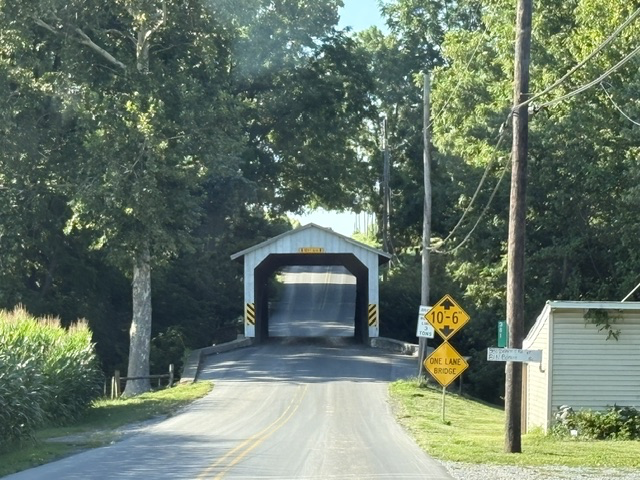
Leaman’s Place Covered Bridge
Leaman’s Place Covered Bridge carries a narrow country road across Pequea Creek in Lancaster County, Pennsylvania. Officially designated Pequea Bridge No. 4, it is also known as Eshelman’s Mill Covered Bridge and Paradise Bridge. Its location near farmland and small rural communities reflects the transportation network that once connected farms, mills and markets throughout the […]

