The Gingerbread Cottages
Behind the colorful cottages of Oak Bluffs lies a history that began with tents, outdoor preaching, and summer gatherings. In 1835, Jeremiah Pease and six fellow members of the Edgartown Methodist Church secured land for a religious camp meeting on Martha’s Vineyard. The gathering place became known as Wesleyan Grove, the beginning of the community now commonly called the Campground.
Families returned for worship and fellowship, gradually replacing temporary accommodations with small wooden cottages. Their close spacing preserved the intimate character of the earlier encampment. Narrow paths, small gardens, and porches facing neighboring homes encouraged conversation and a shared life outdoors. The resulting neighborhood retained the arrangement of a gathering place even as its buildings became more permanent.
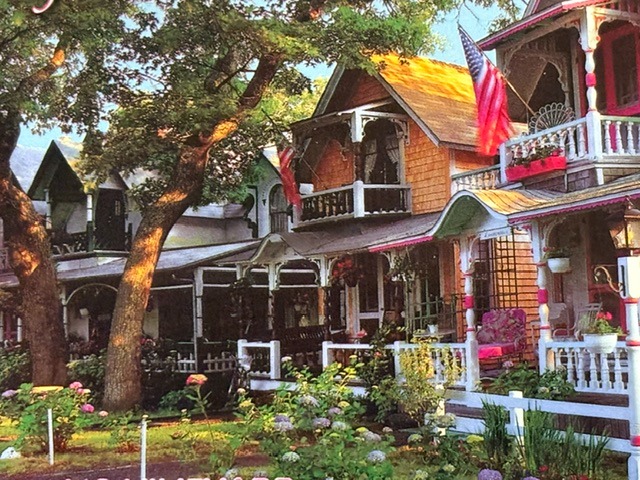
The cottages became distinctive examples of Carpenter Gothic architecture. Steep rooflines, pointed openings, delicate porch posts, and elaborate wooden trim translated Gothic-inspired forms into small domestic buildings. The decorative scrollwork earned them their familiar “gingerbread” name. Bright paint schemes emphasize the details, giving each cottage an individual personality within the closely connected neighborhood. More than three hundred cottages survive, many dating from the years following the Civil War.
Their charm comes partly from their scale. Decoration that might seem modest on a large house becomes prominent across a tiny porch or beneath a narrow gable. A balcony, a painted railing, or an intricately cut bracket can define an entire façade. Together, the cottages demonstrate how much variety builders and owners could create within limited space.
The Campground remains a religious community under the Martha’s Vineyard Camp Meeting Association, with the iron Tabernacle at its center. Recognition as a National Historic Landmark in 2005 acknowledged the importance of this surviving camp-meeting landscape. Its cottages preserve both a distinctive architectural tradition and the physical form of a community built around returning, gathering, and spending time together.
Read More From Nancy
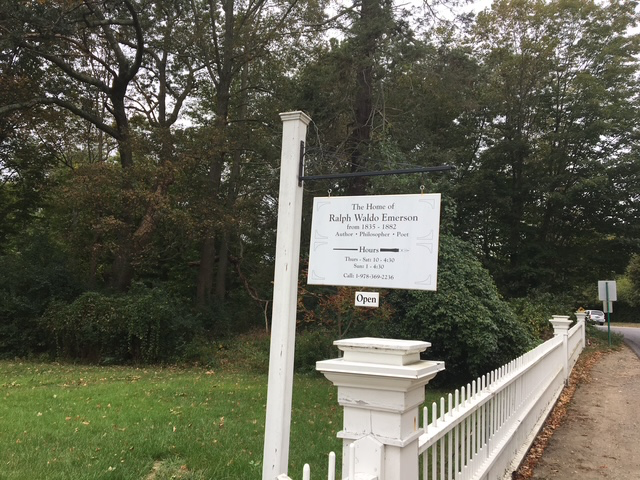
Ralph Waldo Emerson’s House
When you step inside Ralph Waldo Emerson’s house in Concord, MA, you can feel the presence of a man whose ideas helped shape American thought. One of the objects in the entry hall of his home is his walking cane. This is the same cane he carried on his daily walks that inspired so many of […]
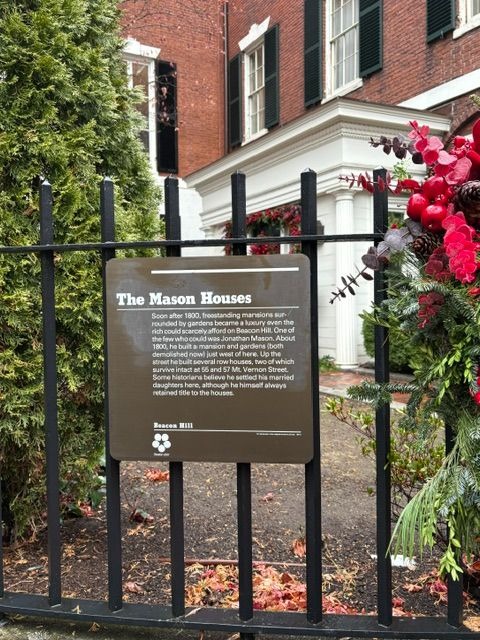
The Mason Houses
Beacon Hill’s closely spaced brick houses can make it difficult to imagine the neighborhood when freestanding mansions and gardens occupied much of the hillside. Jonathan Mason, a lawyer, politician, and real estate developer, helped shape that transformation. Around 1800, he built his own mansion on Mount Vernon Street, with grounds that offered considerably more open […]
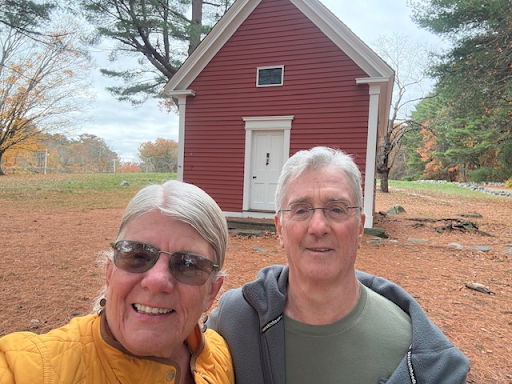
The Red Stone School
When Henry Ford purchased the Wayside Inn in 1923, he saw more than an old colonial tavern, he saw the beginnings of a “living village”. He wanted a place where the essential virtues of early American life could be preserved. He wanted a community in which each building represented a foundation value. This schoolhouse would be the place where discipline […]

