Statue of Ramon Berenguer III
As we explored the streets of Barcelona, I stopped in front of this impressive equestrian statue to learn more about the man it honored. One of the things I enjoy most when traveling is discovering the people who shaped the places I visit. Every monument has a story, and this one led me to one of the most important figures in Catalonia’s history.
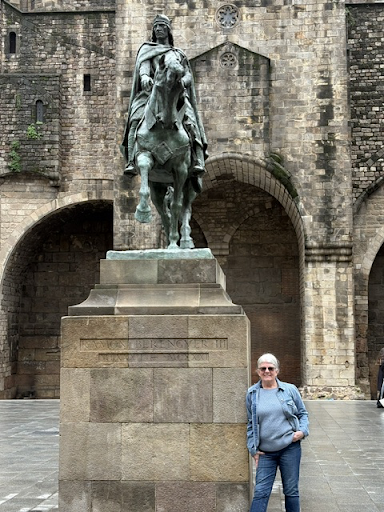
The statue commemorates Ramon Berenguer III, known as “Ramon Berenguer the Great.” As Count of Barcelona from 1097 until his death, he transformed what had been a regional county into one of the most influential powers in the western Mediterranean. Through diplomacy, carefully arranged marriages, and successful military campaigns against the Muslim taifa kingdoms of the Iberian Peninsula, he expanded his territories while strengthening Barcelona’s political and economic influence.
One of his greatest accomplishments was acquiring Provence through marriage, extending his influence beyond the Pyrenees into what is now southern France. He also united several Catalan counties under his leadership, strengthening the region politically and economically. During his reign, Barcelona flourished as a center of Mediterranean commerce, with merchants trading throughout southern Europe and beyond. His leadership laid the foundation for the future Crown of Aragon, which would later become one of the great maritime powers of the Mediterranean.
Ramon Berenguer III was also deeply committed to the Church and to the reform movements of his time. He supported monasteries, encouraged religious reform, and became the first Catalan ruler to join the Knights Templar shortly before his death, reflecting both his faith and his commitment to defending Christianity during the period known as the Reconquista.
The bronze monument was created by renowned Catalan sculptor Josep Llimona and unveiled in 1888 during Barcelona’s Universal Exposition. Rather than depicting Ramon Berenguer in the excitement of battle, the sculptor portrays him as a thoughtful and confident leader. Mounted on horseback with a composed expression, he symbolizes wisdom, stability, and the vision that helped shape medieval Catalonia.
The setting makes the monument even more meaningful. It stands beside the ancient Roman walls of Barcelona and near the Gothic Quarter, where nearly two thousand years of history can still be seen. From the Roman settlement of Barcino to the medieval city that Ramon Berenguer helped build, this area tells the story of Barcelona’s remarkable evolution.
Before visiting Barcelona, I knew very little about Ramon Berenguer III. Taking the time to stop, read the monument, and learn his story reminded me that travel is about much more than seeing beautiful places. It is an opportunity to discover the individuals whose leadership shaped the cities and nations we know today. Standing before this monument, I gained a greater appreciation for the man who helped transform Barcelona into one of medieval Europe’s great cities, leaving a legacy that continues to be celebrated nearly nine centuries later.
Read More
Read More From Nancy
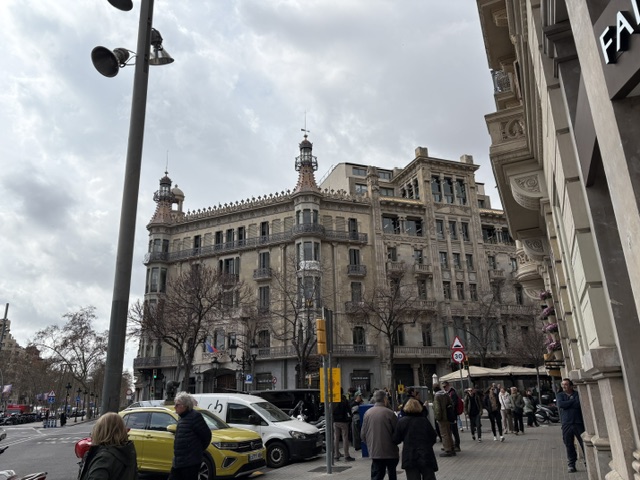
Cases Rocamora
Walking along Passeig de Gràcia, we noticed a building whose slender turrets and reddish roofs gave it an almost castle-like appearance. Rows of balconies stretched along the stone façade, while projecting windows and carved ornament added detail above the busy sidewalk. These were the Cases Rocamora, a group of residences that reflect the ambitions of […]
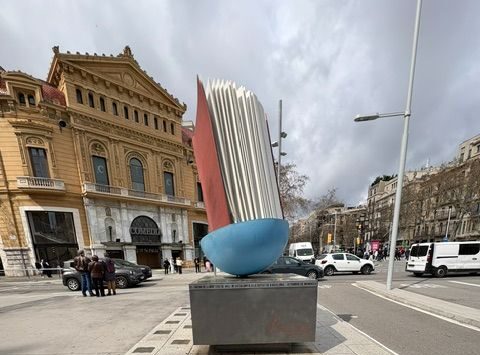
Homage to the Book
At a busy intersection in Barcelona, an oversized book rises above the pavement. Its red cover opens around a fan of pale pages, balanced on a blue rounded base. Surrounded by traffic, pedestrians, and substantial stone buildings, it brings an unexpected touch of playfulness to the street. Looking more closely reveals that this unusual sculpture […]
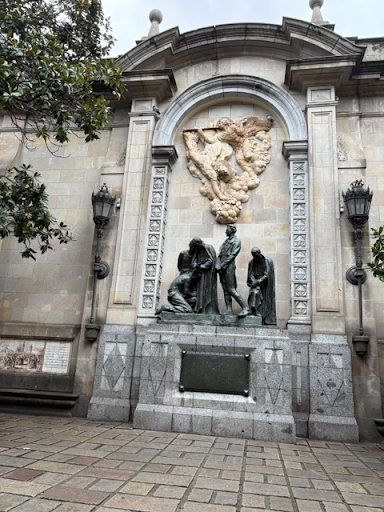
The Martyrs of 1809
While exploring the area around Barcelona Cathedral, I came upon this moving monument tucked into a quiet square beside the cathedral walls. Like so many monuments I encounter while traveling, it encouraged me to stop and learn the story behind it. This memorial honors the Martyrs of 1809, a group of Catalan patriots who were […]

