Saint Croix Island International Historic Site
Erin and I drove to Saint Croix Island International Historic Site, a place that marks one of the earliest European settlements in North America.
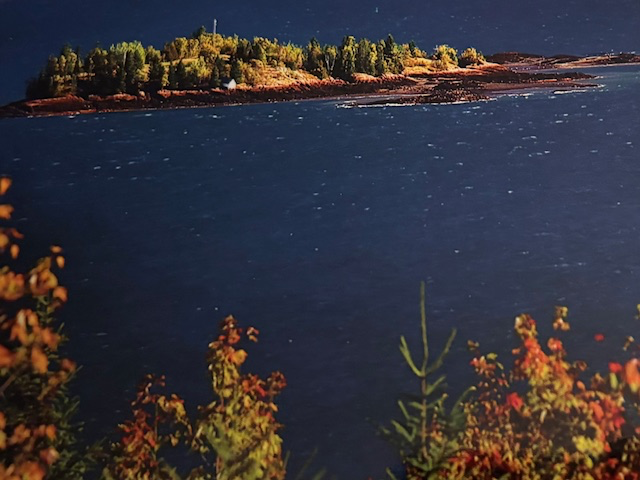
Located along the St. Croix River, this site sits on the border between the United States and Canada, just east of Calais. From the mainland, you look out across the water to a small island. If you don’t know its history, you might pass by without realizing its significance. This island holds the story of a fragile beginning.
In 1604, a French expedition led by Pierre Dugus and Samuel de Chaplain established a settlement there. Their goal was to create a permanent foothold in what the French called Acadia. They built shelters, organized the colony, and prepared to endure their first winter.
The island proved to be a difficult choice. The winter was harsh, supplies were limited, and isolation took its toll. Disease spread through the group. Of the 80 settlers, nearly half did not survive that first winter. By the following year, the survivors abandoned the island and moved on.
This was not a story of immediate success, but of trial, loss and persistence. And yet, it was a beginning that would shape what came next in the region.
The site was recognized much later for its importance. In 1949, it was designated a national monument by President Harry S. Truman, preserving its role in early North American history. In 1984, it was redesignated as an International Historic Site, one of the only places in the National Park System, jointly recognized by both the United States and Canada.
Visiting this site, we did not actually walk on the island but stand on the mainland and look across. There were no large structures, just the landscapes, the water and the story carried between them. History does not always announce itself.
Read More From Nancy
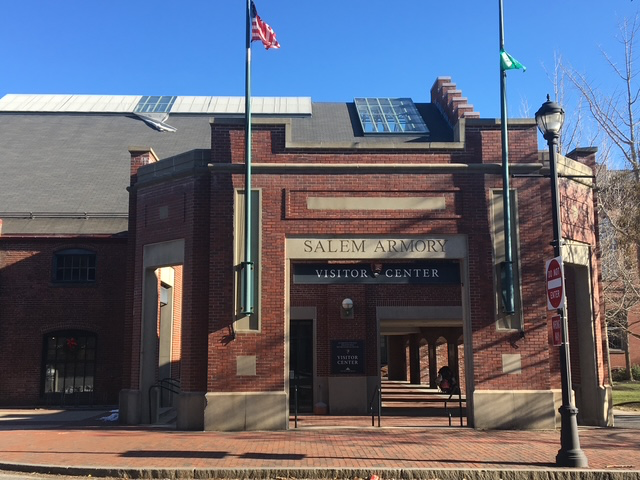
Salem Maritime National Historic Site
In Massachusetts, many visitors come to Salem searching for the echoes of the 1692 witch trials. But along the waterfront stands another Salem story, older in infrastructure, broader in reach and foundational to the young nation’s economy. The Salem Maritime National Historic Site preserves nearly nice acres along the harbor that reflect Salem’s extraordinary maritime […]
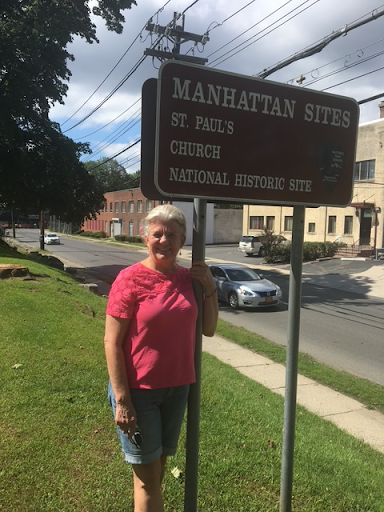
St Paul Church National Historic Site
This national park is another site that took a commitment to reach, not because it sits in a remote landscape, but because of its urban setting and limited hours. I drove to visit the St Paul’s Church National Historic Site and the remarkable cemetery attached to it in Mount Vernon. Arriving there, there is no […]
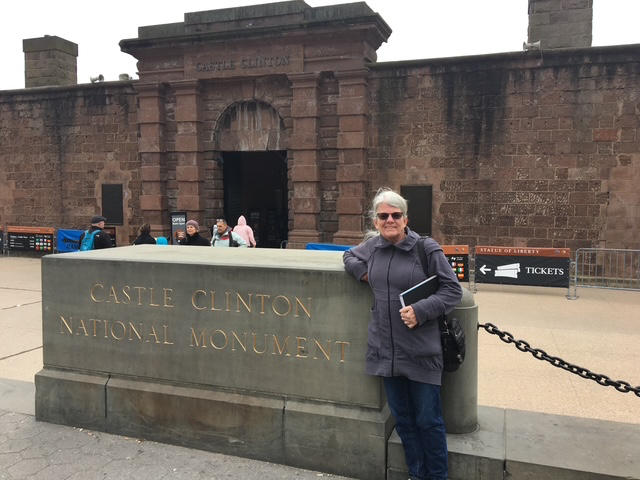
Castle Clinton National Monument
Castle Clinton sits at the southern tip of Manhattan in Battery Park, layered with nearly two centuries of American history in a circular stone structure. Originally constructed between 1808 and 18111, it was built as a coastal fort to defend New York Harbor during tensions leading up to the War of 1812. At that time, it sood […]

