Castle Clinton National Monument
Castle Clinton sits at the southern tip of Manhattan in Battery Park, layered with nearly two centuries of American history in a circular stone structure.
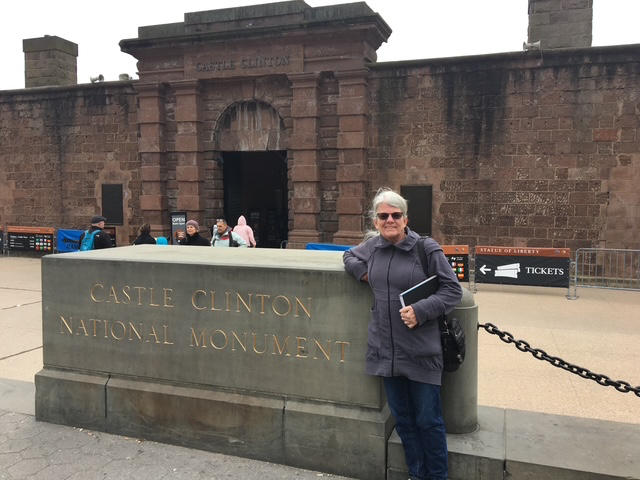
Originally constructed between 1808 and 18111, it was built as a coastal fort to defend New York Harbor during tensions leading up to the War of 1812. At that time, it sood on a small island just offshore. Though it never saw direct combat, it formed part of New York’s harbor defense system.
After the war, its purpose shifted. In 1824 it reopened as Castle Garden, one of the nation’s first major entertainment venues. Thousands attended concerts and events, including performances by opera star Jenny Lind under the promotion of P.T. Barnum.
Its most significant chapter began in 1855, when it became the country’s first official immigration station. Before Ellis Island opened in 1892, more than 9 million immigrants entered the United States through Castle Garden. For many families, this was the first step onto American soil.
Later it served as the New York Aquarium before falling into disrepair. In 1946, President Harry S. Truman proclaimed it a National Monument, preserving its layered history. It officially came under the National Park Service in 1950.
Few sites have served so many roles: military fort, performance hall, immigration gateway, aquarium and now national monument.
Read More From Nancy
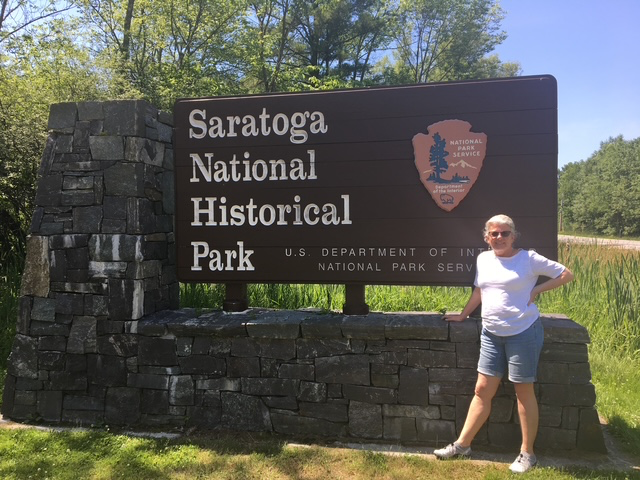
Saratoga National Historical Park
In New York lies the Saratoga National Historical Park, a place where one of the most important turning points in American history unfolded. It was here in 1777, that American forces met the British army during the American Revolutionary war and achieved a victory that would change the course of the war. More than a battlefield […]
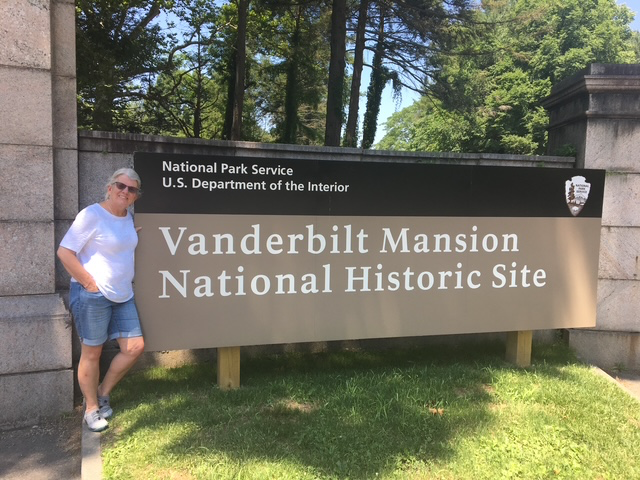
Vanderbilt Mansion National Historic Site
While traveling through the Hudson River Valley, we made our way to Hyde Park to visit the Vanderbilt Mansion National Historic Site. Set above the Hudson River, the estate presents a sense of scale. This was the country home of Frederick William Vanderfilt, a member of one of the most influential families of the Gilded Age. […]
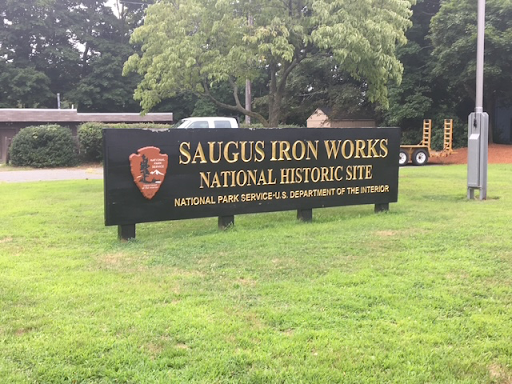
Saugus Iron Works National Historic Site
Long before Massachusetts became synonymous with textile mills, industry was already taking root along the Saugus River. In 1646, a group of English investors organized as the Company of Undertakers of the Iron Works in New England established what would become the first successful integrated ironworks in colonial North America. Their goal was to reduce the […]

