Lowell National Historical Park
One of the places in Massachusetts that I have returned to many times over the years is Lowell National Historical Park. Each visit reveals something new about the remarkable story of how an entire American city was intentionally created around industry. Walking along the canals and through the brick mills, it is easy to imagine the energy and the ambition that once filled this place. Lowell represents one of the most important chapters in the story of the American Industrial Revolution. Here, a young nation, was learning how to transform waterpower, machinery and human labor into a new economic system.
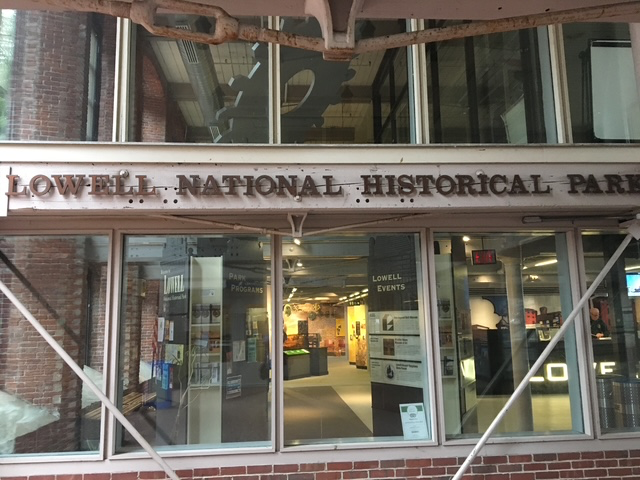
The origins of Lowell trace back to the early 19th century when a group of Boston investors sought to bring large-scale textile manufacturing to the United States. One of the key figures behind this vision was Francis Cabot Lowell, who had studied British textile manufacturing. The investors selected the site at Pawtucket Falls along the Merrimack River because of its waterpower potential. What emerged was an integrated industrial city designed specifically for manufacturing.
One of the progressive aspects of the Lowell system was recruiting young women from family farms across New England. These women, known as the “Lowell Mill Girls” left their rural homes to work in the factories, often earning wages for the first time in their lives.
Life in Lowell was structured and regulated. The mill owners established supervised boarding houses where the women lived under strict rules. Curfews were enforced, church attendance was encouraged and matrons oversaw the daily routines. At the same time, women attended lectures and organized reading groups and created a vibrant social culture.
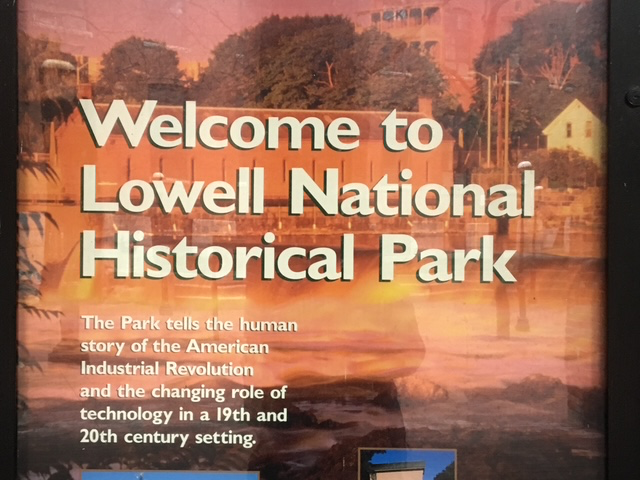
The mill girls worked 12 to 14 hours a day, six days a week inside a noisy weaving room filled with the clatter of power looms. Over time, wage reductions and increasing workloads led to worker protest and strikes during the 1830s and 40s, some of the earliest examples of organized labor resistance in the United States.
By the mid-20th century, the textile industry in New England declined and many of Lowell’s mills closed. Left behind was this industrial landscape that local citizens and historians worked to preserve.
Their efforts succeeded when Lowell National Historical Park was established in 1978 by President Jimmy Carter.
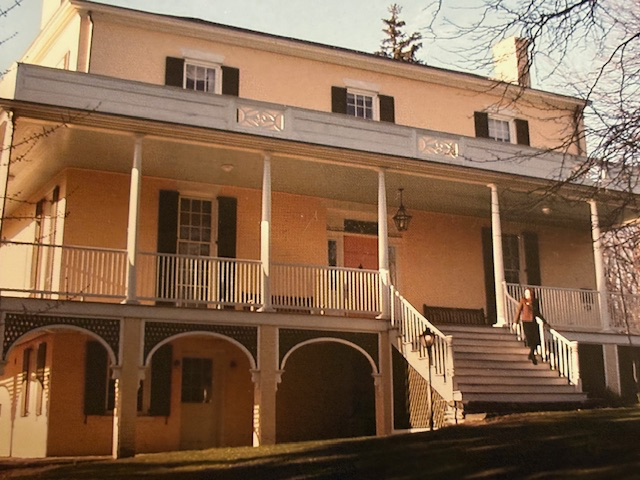
Read More From Nancy
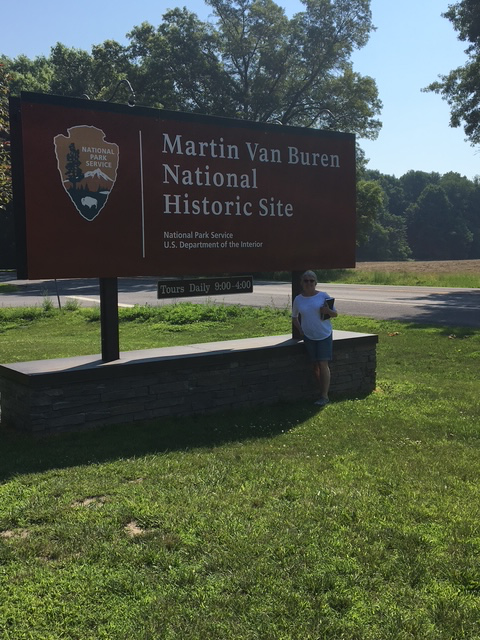
Martin Van Buren National Historic Site
An often-forgotten president, Martin van Buren, is remembered at his home, Lindenwald, in Kinderhook, New York. This site is now preserved as the Martin Van Buren National Historic Site. I have visited this house a couple of times, and the house itself leaves an impression, especially with its distinctive French scenic wallpaper that wraps entire rooms in […]
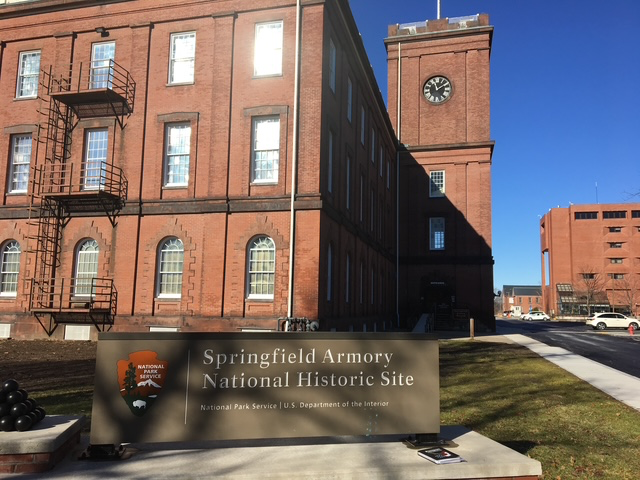
Springfield Armory National Historic Site
I have visited the Springfield Armory National Historic Site a few times over the years. I have left with a deep appreciation of how this place shaped American history. Founded in 1794, at the direction of George Washington, the Springfield Armory became the center of American military manufacturing for nearly two hundred years. During its […]
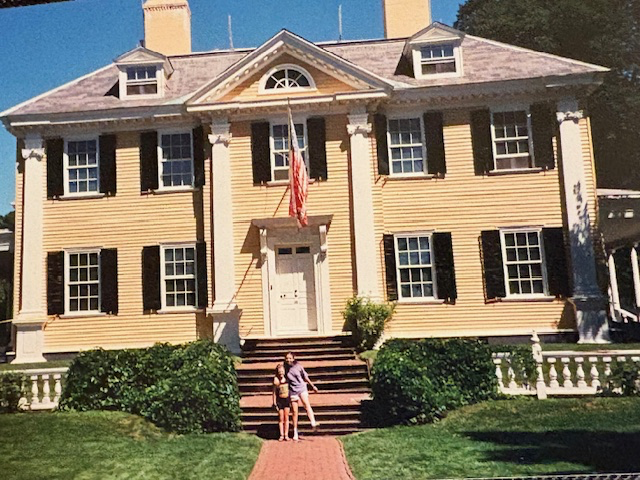
Longfellow/Washington Headquarters
Standing in front of this house, it is easy to admire the symmetry, but its story reaches far beyond what you first see. This is the Longfellow House/Washington’s Headquarters in Cambridge. Built in 1759, it was originally the home of a wealthy Loyalist family. But its place in history changed quickly with the outbreak of the […]

