Joshua Tree National Park
Our family traveled to Los Angeles, and while our daughter attended a yoga event, Marty and I made the drive east to Joshua Tree National Park to explore and hike. Here the landscape itself becomes the destination.
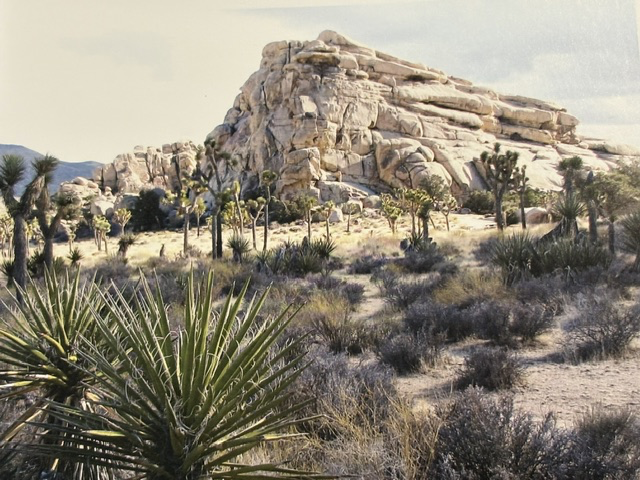
Established as a national monument in 1936 and redesignated as a national park in 1994, Joshua Tree preserves the meeting place of two distinct desert ecosystems: the Mojave and the Colorado deserts. The park is best known for its namesake Joshua trees, whose twisted branches and unusual forms give the landscape an almost otherworldly appearance. Early Mormon settlers thought the trees resembled the biblical Joshua raising his arms in prayer, and the name has endured ever since.
Beyond the Joshua trees, the park is renowned for its massive granite rock formations, sculpted by millions of years of geological forces into towering piles and rounded domes that attract hikers and climbers from around the world. Despite the harsh environment, a surprising variety of life thrives here. Desert bighorn sheep, coyotes, jackrabbits, and hundreds of species of birds coexist with cholla cactus, yucca, creosote bush, and countless wildflowers that can transform the desert floor after seasonal rains.
Standing among the giant boulders and distinctive Joshua trees, I was struck by the vastness of the landscape. What at first appears barren reveals itself to be full of life and subtle beauty. Our hike was a reminder that some of the most remarkable places are where nature has shaped the land over millions of years and continues to inspire all who visit.
Read More From Nancy
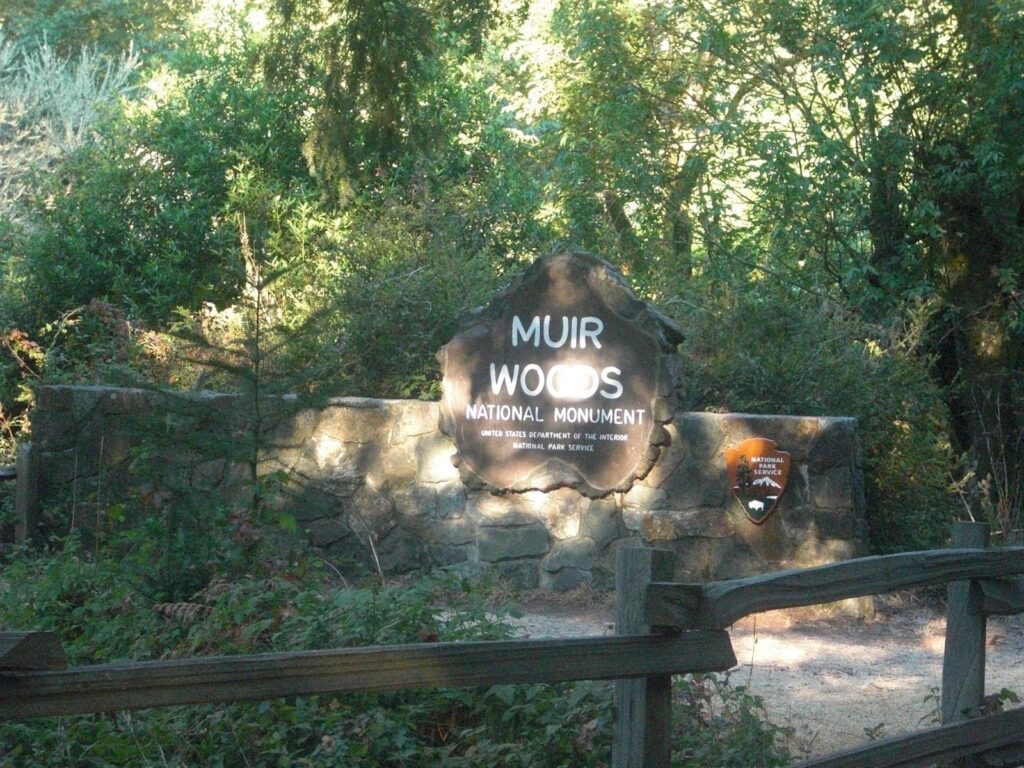
Muir Woods National Monument
I have heard that visiting Muir Woods today is a different experience than it was. Reservations are required and there are timed entries in order to manage the number of people visiting the park each day. The few times I visited Muir Woods National Monument there was more flexibility. My strategy was the same: arrive before […]
Mojave National Preserve
Traveling through California, we came into the wide openness of the Mojave National Preserve, a landscape that at first feels empty, but slowly reveals its depth. The desert stretches in every direction, dunes rising unexpectedly from the sand, volcanic formations shaped by time, and fields of Joshua trees breaking up the horizon. Here there is space, with land […]
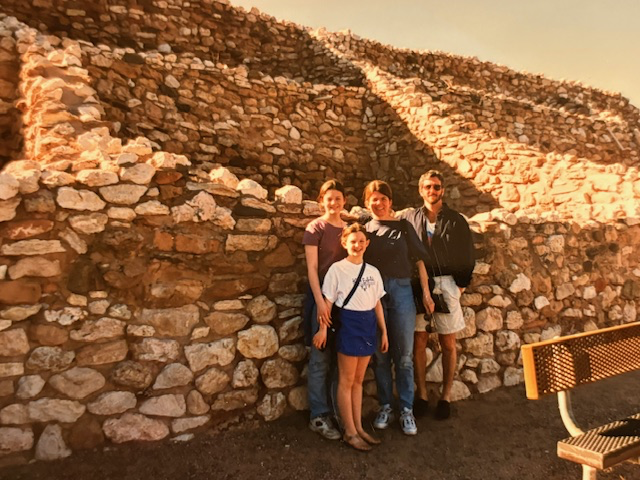
Tuzigoot National Monument
Rising above the Verde Valley in Central Arizona, Tuzigoot National Monument is one of those places where the land and the past feel inseparable. Tuzigoot preserves the remains of a large prehistoric settlement constructed by the Sinagua people, who lived in this region between the 1100s and early 1400s. Over time, what began as a smaller cluster of […]

