Great Basin National Park
Driving to Great Basin National Park felt like chasing something that kept moving farther away the closer we got. This is one of the most remote National Parks in the lower 48 states, tucked into the isolated desert and mountain ranges of eastern Nevada. I remember the endless highways stretching across the Nevada desert, mile after mile of open road with very little around us. The roads seemed almost endless.
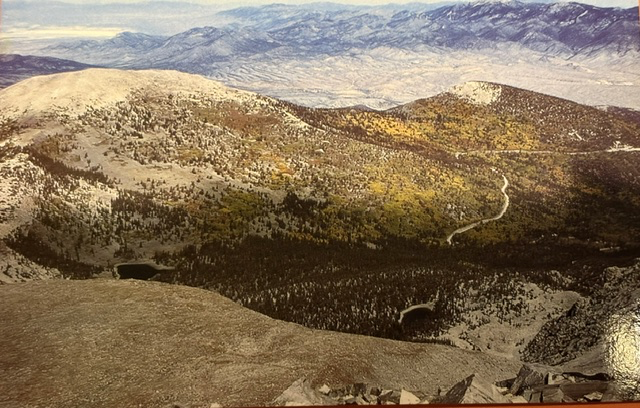
That remoteness becomes part of the experience of Great Basin. Unlike parks crowded with traffic and tourist centers, this landscape is quiet, isolated and immense. The vast desert valleys are framed by mountain ranges rising from the dry basin floor.
This park preserves an incredible variety of landscapes. Deep within the mountains lies Lehman Caves, a limestone cave system filled with delicate formations. Great Basin is also home to ancient bristlecone pine trees, some of the oldest living organisms on Earth.
Standing high above the valleys, looking across the winding roads and mountain ridges, you realize how enormous and empty part of the American West remains. There is very little development and very little noise.
Great Basin National Park became part of the National Park System in 1986 when Congress redesignated the former Lehman Caves National Monument as a national park.
Read More From Nancy
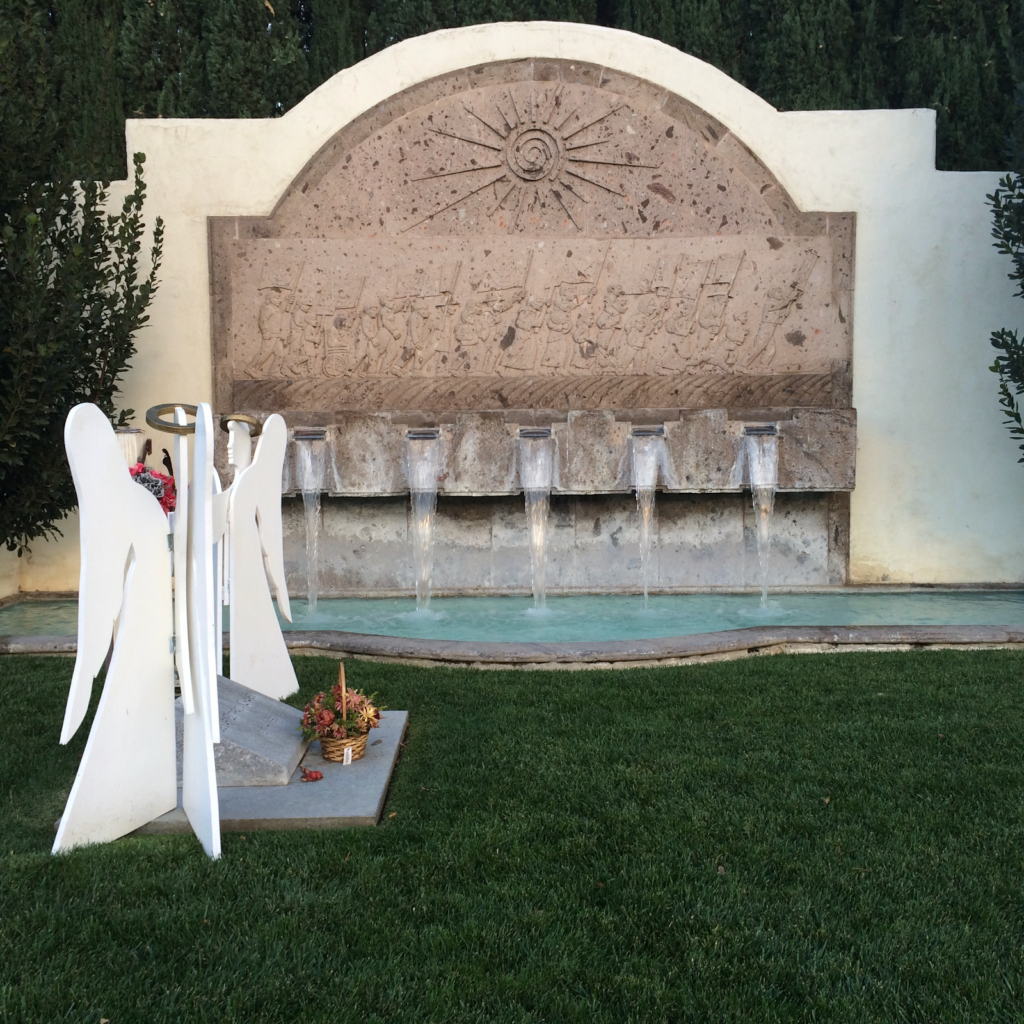
Cesar E. Chavez National Monument
One December, I mapped out a trip to California to travel by myself and visit a number of historic sites, national parks and presidential libraries. It was an ambitious plan, and as it turned out, driving those busy California highways alone took far longer than I expected. One of the stops on that journey was the Cesar […]
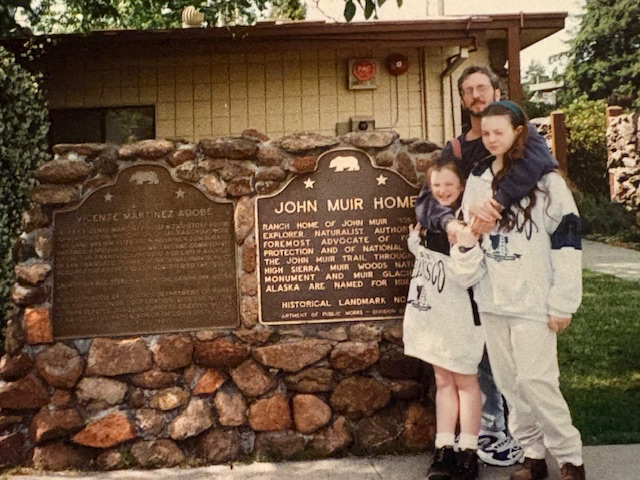
John Muir National Historic Site
John Muir’s home in California offers a intimate window into the life of one of America’s most influential conservationists. Located northeast of San Francisco, the site is preserved today as John Muir National Historic Site. Muir lived here from 1889 until his death in 1914. While many picture him wandering through Yosemite or Alaska’s glaciers, this […]
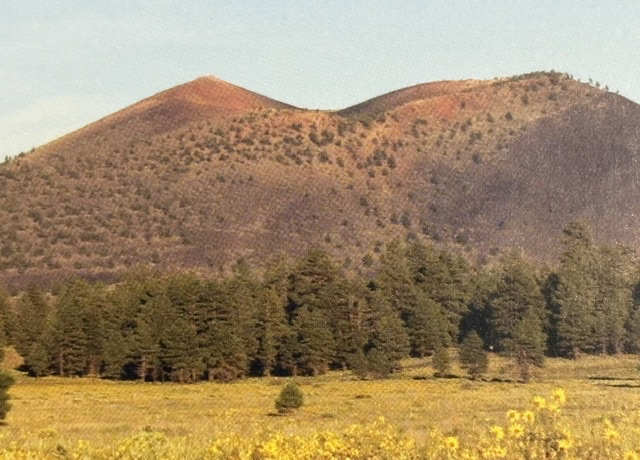
Sunset Crater Volcano National Monument
More than 900 years ago, the landscape north of what is now Flagstaff, Arizona, changed dramatically. The ground opened and lava began pouring across the land while volcanic ash and cinders were thrown high into the air. When the eruption ended, a new cinder cone rose above the surrounding terrain: Sunset Crater, the youngest volcano […]

