Remembering More of Donald Tuttle
May 29, 1945Dearest Reader,
As I continue sorting through the newspaper clippings my parents saved over the years, I occasionally come across names that are unfamiliar to me today but were clearly important to them. Donald Tuttle is one of those people. Finding several newspaper clippings about his life and death made me want to learn more about the man my mother thought was worth remembering.
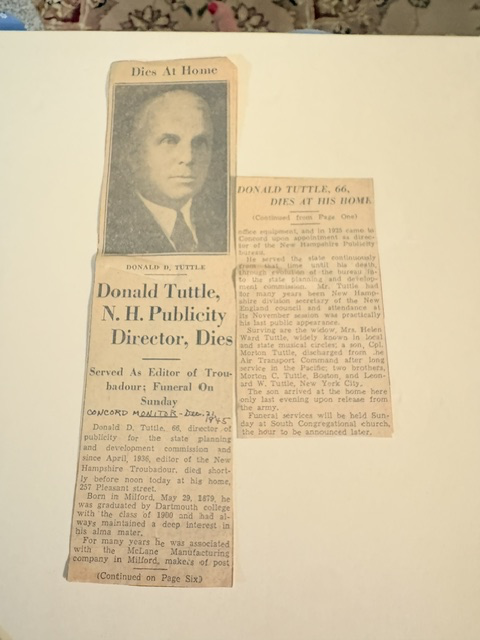
Donald D. Tuttle died on May 29, 1945, at his home on Pleasant Street in Concord, New Hampshire. Ironically, he passed away on his sixty-sixth birthday. Born in 1879, he graduated from Dartmouth College with the Class of 1900 before beginning his career with the McLane Manufacturing Company in Milford, a company known for producing post office boxes.
His professional life eventually took a different direction. Tuttle became one of New Hampshire’s leading advocates for tourism and economic development, serving as Director of Publicity and Development for the New Hampshire State Planning and Development Commission. In 1936, he became editor of the New Hampshire Troubadour, a beautifully illustrated magazine that celebrated the state’s scenery, history, traditions, and outdoor life. Through its pages, he helped shape how both residents and visitors viewed New Hampshire, encouraging people to appreciate its mountains, villages, lakes, and changing seasons.
His obituary also reveals a life of public service. During World War I, he served in the Army’s Air Transport service before returning to New Hampshire. He was active in civic organizations, including the New England Council and the New Hampshire Publicity Association, and was a member of South Congregational Church in Concord.
These clippings have special meaning to me because my mother worked for the New Hampshire Department of Economic Development. Donald Tuttle’s work with the State Planning and Development Commission closely paralleled the department where she built her career. Whether he served as one of her supervisors, a colleague, or simply someone she admired professionally, these carefully preserved newspaper articles suggest that he held an important place in the world in which she worked.
Today, these clippings are more than old newspaper articles. They are reminders of my mother’s professional life and of the people who helped shape New Hampshire during her generation. Preserving them allows me to better understand not only Donald Tuttle’s contributions, but also the work and the people that mattered to my parents.
Dr. Nancy Watson
Washington
Read More From Nancy
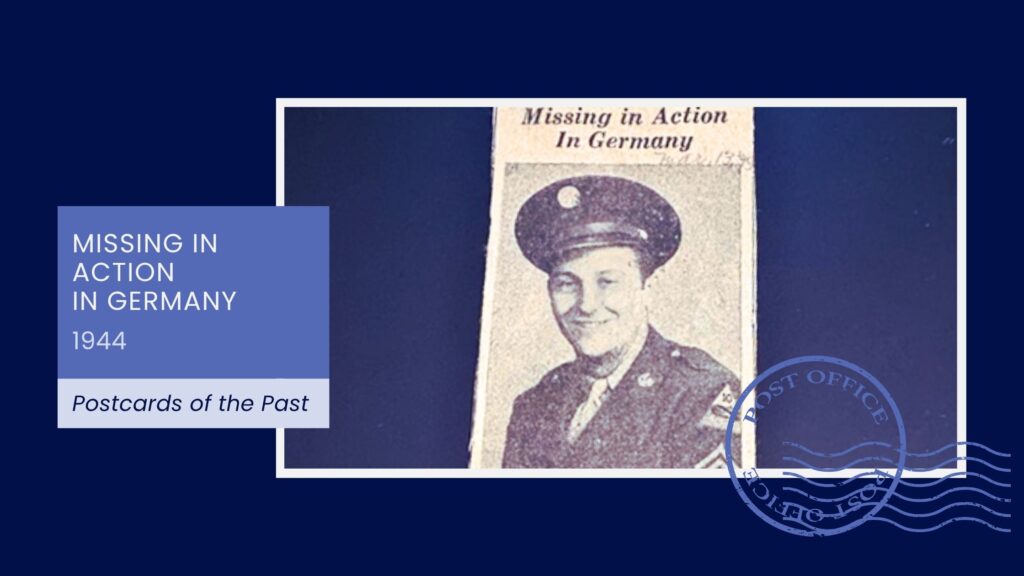
Missing in Action in Germany Clipping
Sometimes it is not immediately clear why certain papers were saved. As I sort through the letters and clippings my parents kept, I occasionally come across items whose meaning is not obvious at first. One such folder contains a collection of small newspaper clippings about servicemen. The articles seem to come from many different places and […]
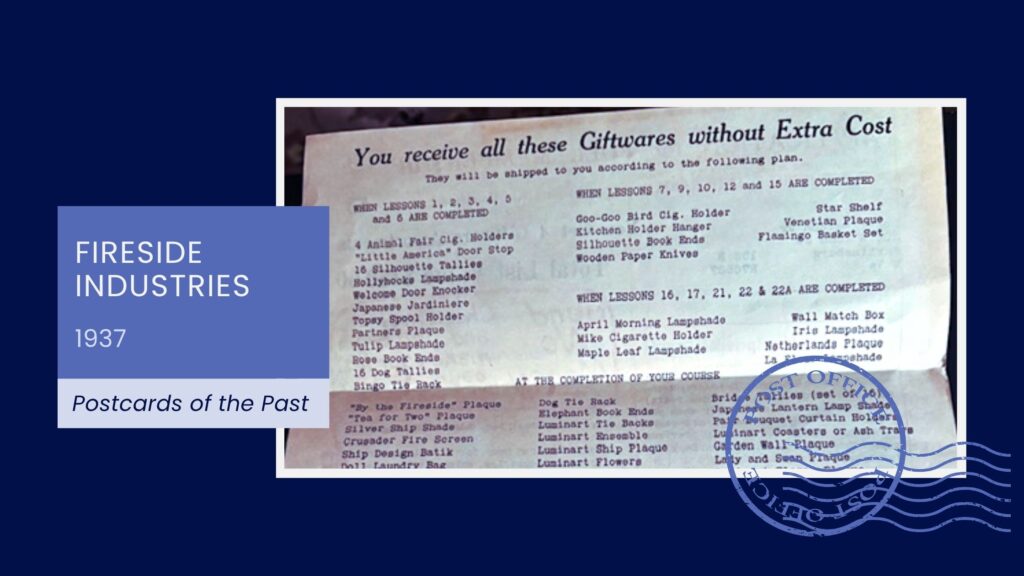
Fireside Industries
Another company that reached out to my father was Fireside Industries of Adrian, Michigan. They offered him a free rug hooking course, an invitation to learn a craft that could be done at home and perhaps turn into a source of income. But the offer did not stand alone. With membership, he would also receive […]
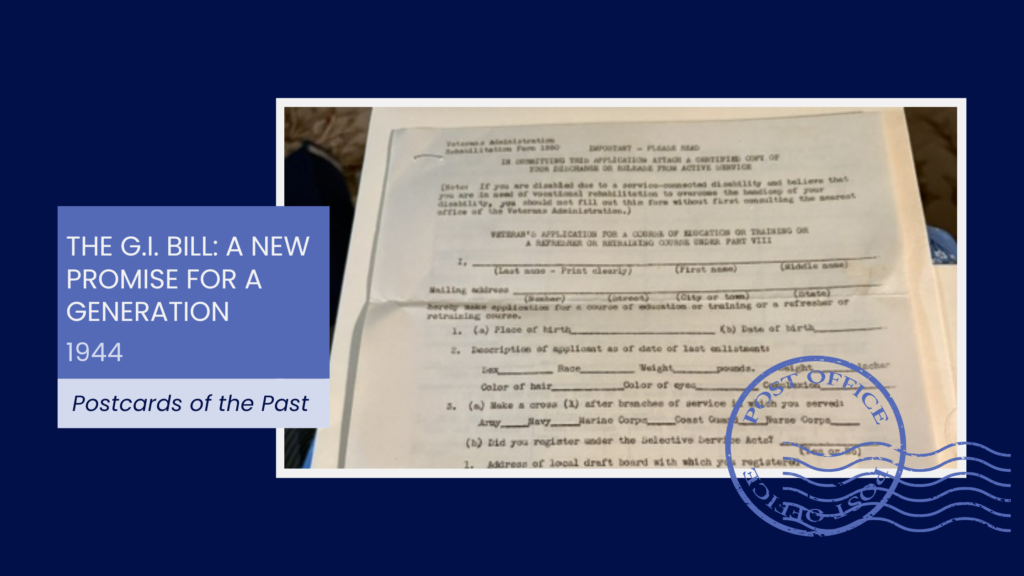
The G.I. Bill: A New Promise for a Generation
Among the papers my parents left behind is this Veterans Administration application for educational benefits under the Servicemen’s Readjustment Act of 1944, better known as the G.I. Bill. At first glance, it is simply a government form. But in many ways, it is one of the most important documents in twentieth-century American history. Signed into […]

